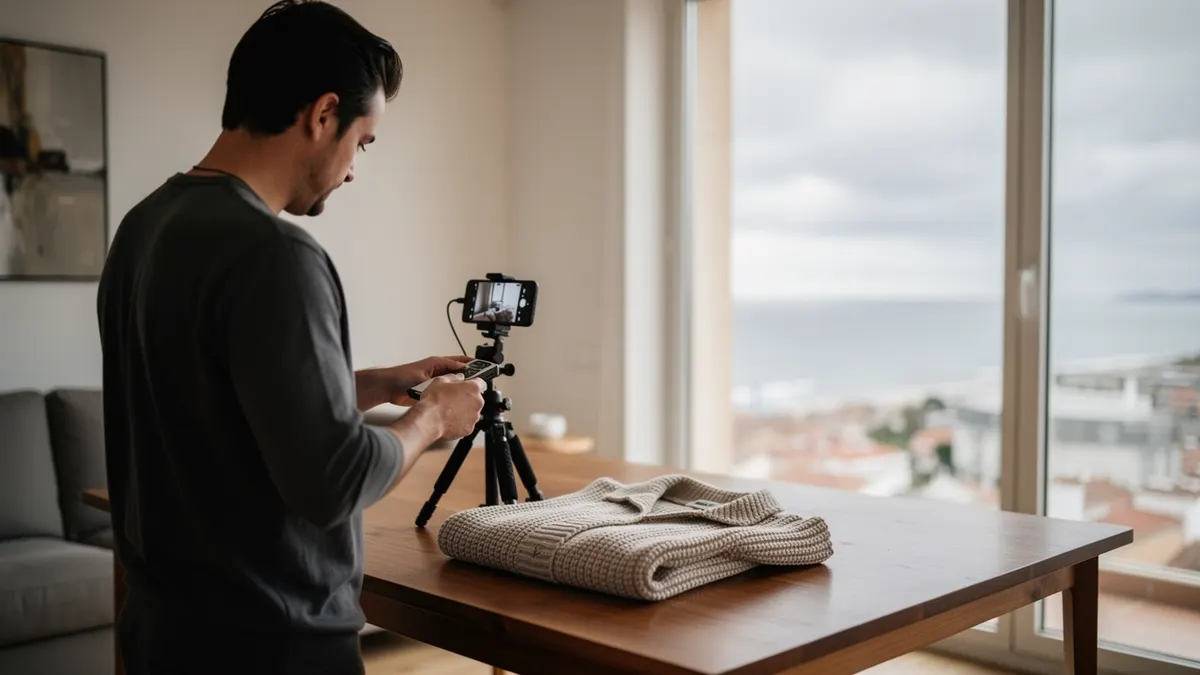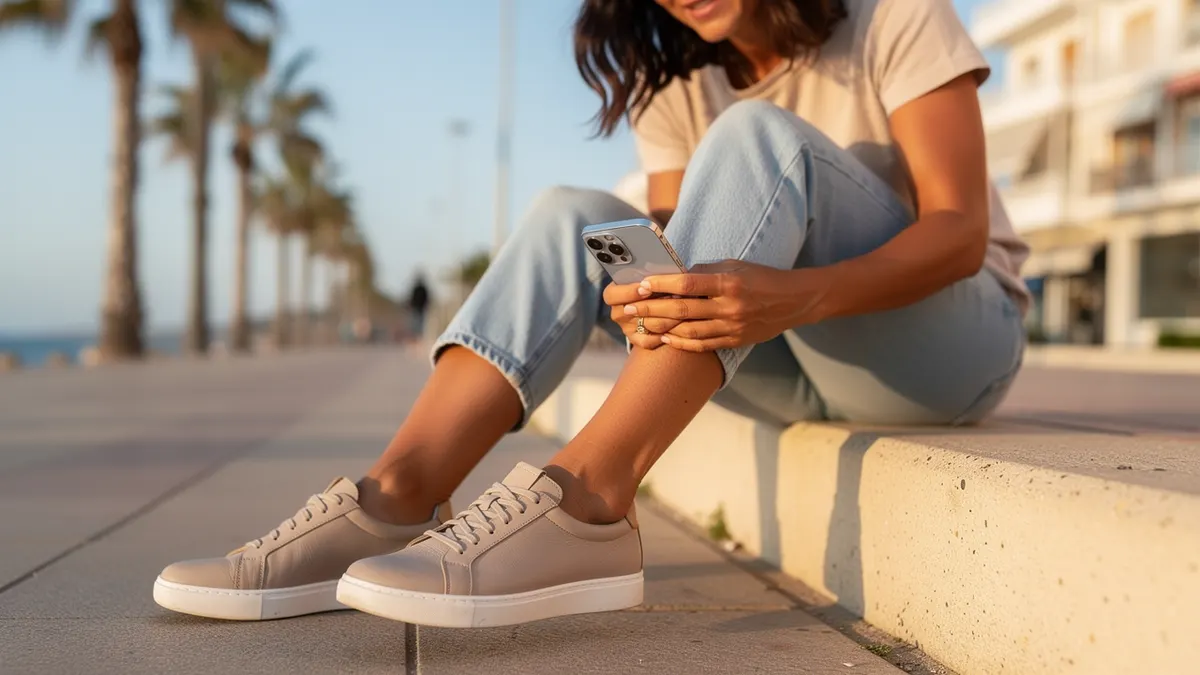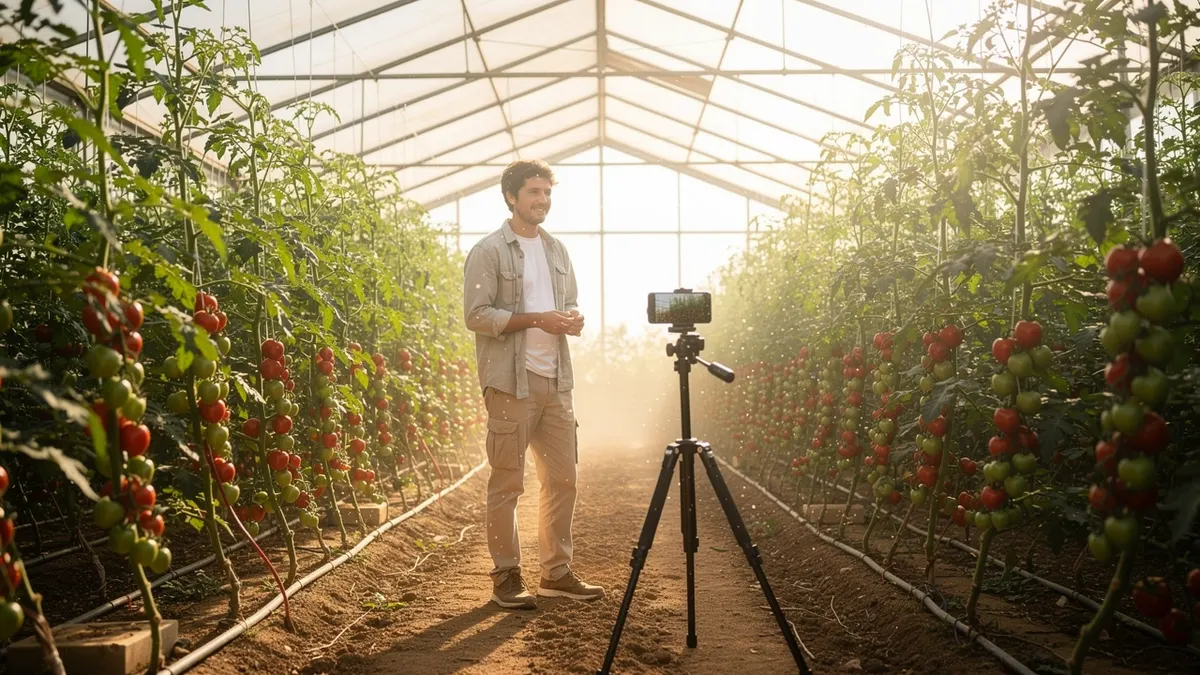
Barcelona is the Spanish city where the most international brands keep an office without it being the capital. Fashion, design, technology startups and tourism sit within the same square kilometre, and every one of those industries consumes vertical video. For anyone producing user generated content, it is the country's second market and probably the one most open to working in several languages.
An economy of fashion, digital product and visitors
Fashion carries weight. Barcelona concentrates own labels, showrooms, online shops and a supplier network inherited from the Catalan textile industry. A design scene grew around it, and you can tell from how brands communicate: a small brand here looks after its image more than its size would suggest.
The second leg is digital product. Delivery, second hand, corporate travel and software startups keep their headquarters or their southern Europe office here, and they need to explain complex products in short form. The third is tourism, with hotels, restaurants and experiences selling to a visitor who decides from a phone, often in English.
The sectors that hire in Barcelona
- Fashion and accessories: own labels, online shops and niche ecommerce. Try on formats, outfits and fabric detail.
- Digital product and apps: screen demonstrations, use cases, jargon free explanations for digital banks, delivery and marketplaces.
- Tourism and restaurants: hotels, restaurants, specialty coffee and experiences, with content in Spanish, Catalan and English.
- Beauty and wellness: cosmetics, aesthetic clinics, yoga and fitness, with a young audience that lives on social media.
- Home and design: furniture, decor and renovation, categories where before and after sells itself.
- Urban sport: running, cycling, padel and technical clothing, supported by a city lived in the street.
Language as a competitive advantage
Here is something Madrid does not match: working in three languages is normal. A brand can ask you for the same piece in Spanish, in Catalan and in English, and pay it as three deliveries. A creator comfortable on camera in two of those languages multiplies their market without changing gear or moving house.
English also opens the door to the international client with an office in the city and a budget in euros, or to one who is not here at all. That is the real revenue gap between a well positioned Barcelona creator and one who only serves neighbourhood businesses.
How creators find clients
The direct circuit works: a public portfolio, a short message with two samples and a price to a brand you already use. Businesses in Gracia, El Born or the Eixample answer fast and decide the same day.
For startups and international brands the game changes: they hire suppliers. Registering as autonomo so you can invoice, an invoice with VAT and income tax withholding when the client is a company, written rates and a portfolio sorted by sector. Adding a profile to a UGC marketplace lets a brand from outside find you by niche and language without knowing you at all.
What creators charge
As a Spanish reference: a single video runs eighty to a hundred and fifty euros when you start and a hundred and fifty to three hundred euros with a strong portfolio. Packs of three to five videos sell between three hundred and fifty and nine hundred euros. Work in English or for an international client is quoted above that. Paid media rights, exclusivity and whitelisting are billed separately and usually add thirty to a hundred per cent on the base rate.
What to check per location
| Location | Frequent status | What you ask for |
|---|---|---|
| Street and beach | Public, with local rules | The permitted hours |
| Municipal park or garden | Public but regulated | A prior request |
| Famous façade or monument | Managed image | Commercial use |
What is prepared before promising a date
The status of the location, an alternative in the same district, the quietest hour and the manager's contact.
What can be filmed without a special permit
A private interior, a workshop, a shop that hosts you, a roof you have access to.
Where to go next
Barcelona combines fashion, digital product and international tourism, and rewards anyone who works in more than one language. To turn that into paid work, our guide on how to become a UGC creator covers building the portfolio, setting prices and closing the first collaborations.
Publish your creator profile →---
Sources
- Agencia Tributaria, Spanish tax authority
- Spanish Social Security, self-employed registration (RETA)
Checked on 26 August 2026. Thresholds and rates change: where this guide and the official source disagree, the official source is right.