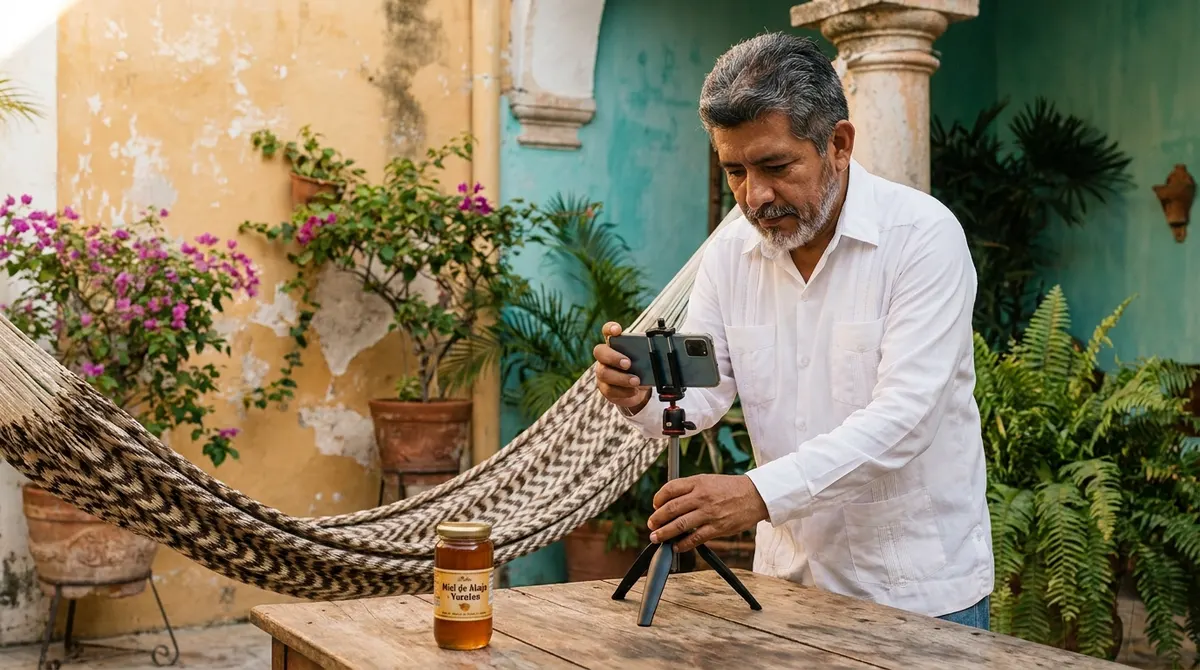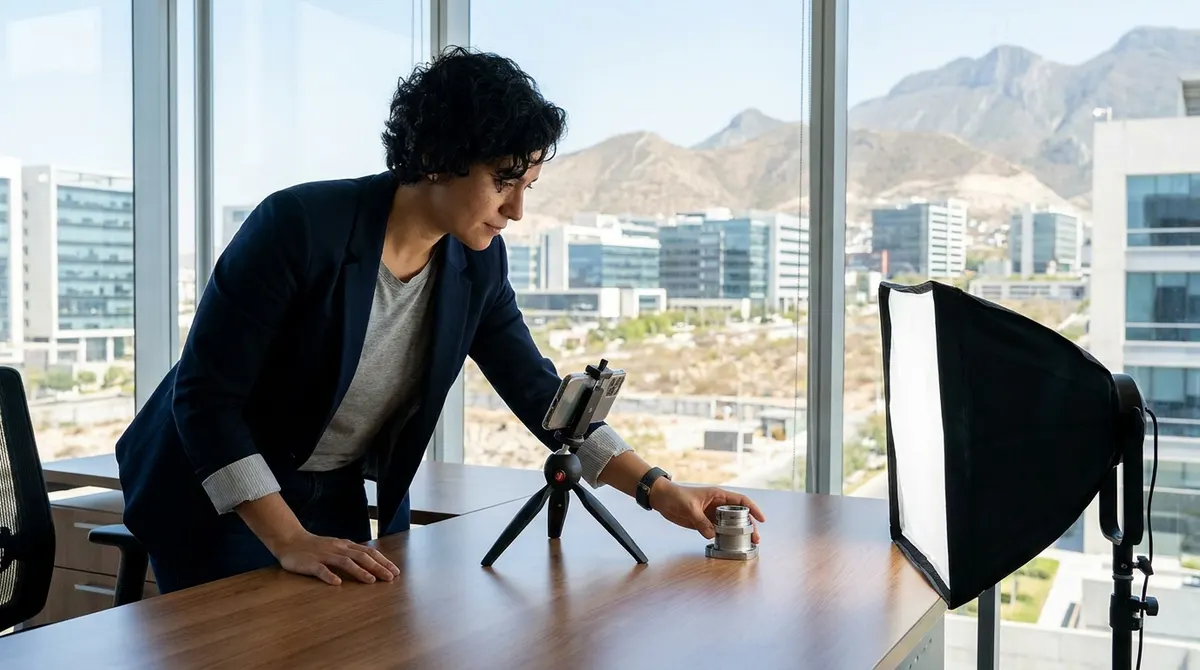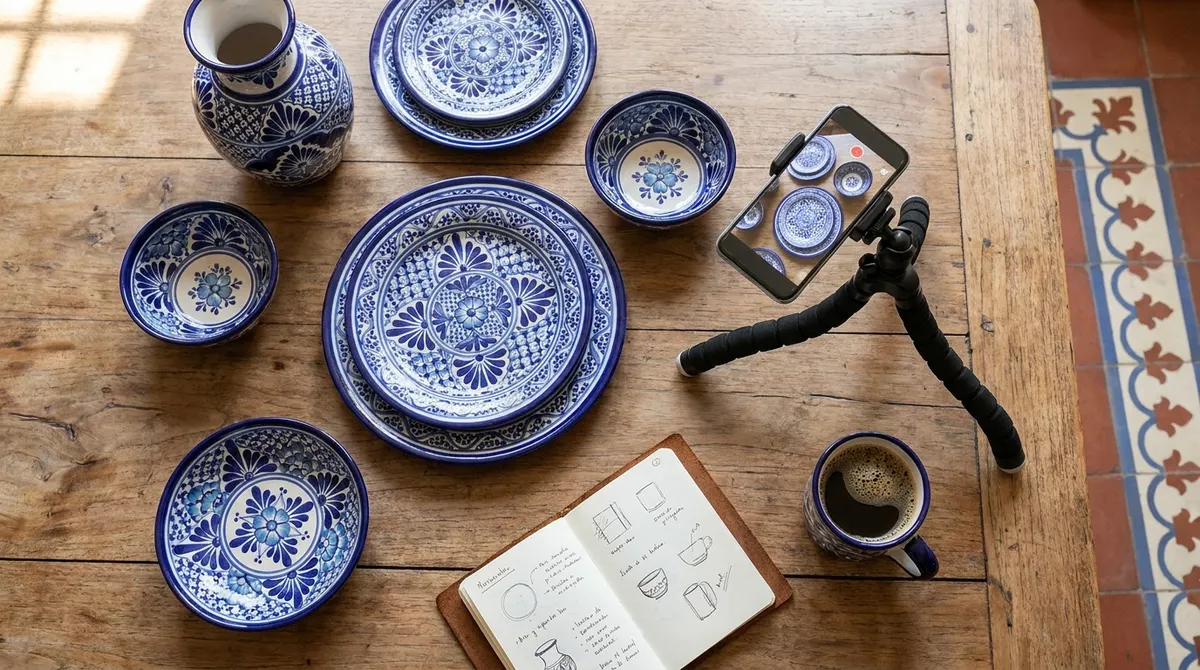
Close to the border, manufacturing industry, and clients who often ask for the same video in two languages.
What drives the local economy
Six client sectors.
Manufacturing and its suppliers.
Logistics and transport.
Food processing and livestock.
Retail and hospitality.
Professional services.
And training institutions.
What those clients order
Six frequent formats.
A recruitment video.
A presentation of a plant or workshop.
Safety content.
A product demonstration.
Communication toward a foreign client.
And trade fair coverage.
The two-language brief
Here, part of the client base works with counterparts in another country. Delivering a second version is not a decorative extra, it is often the condition for the video to be of any use. Always state whether it is subtitling, a voice-over or a re-shot take, and invoice each case separately.
What that market requires in practice
Six points to settle.
The language of each version delivered.
The delivery mode per language.
The proofreading time.
The rights per territory.
The format expected by each recipient.
And who approves each version.
The local look is an asset
Six locations that sell.
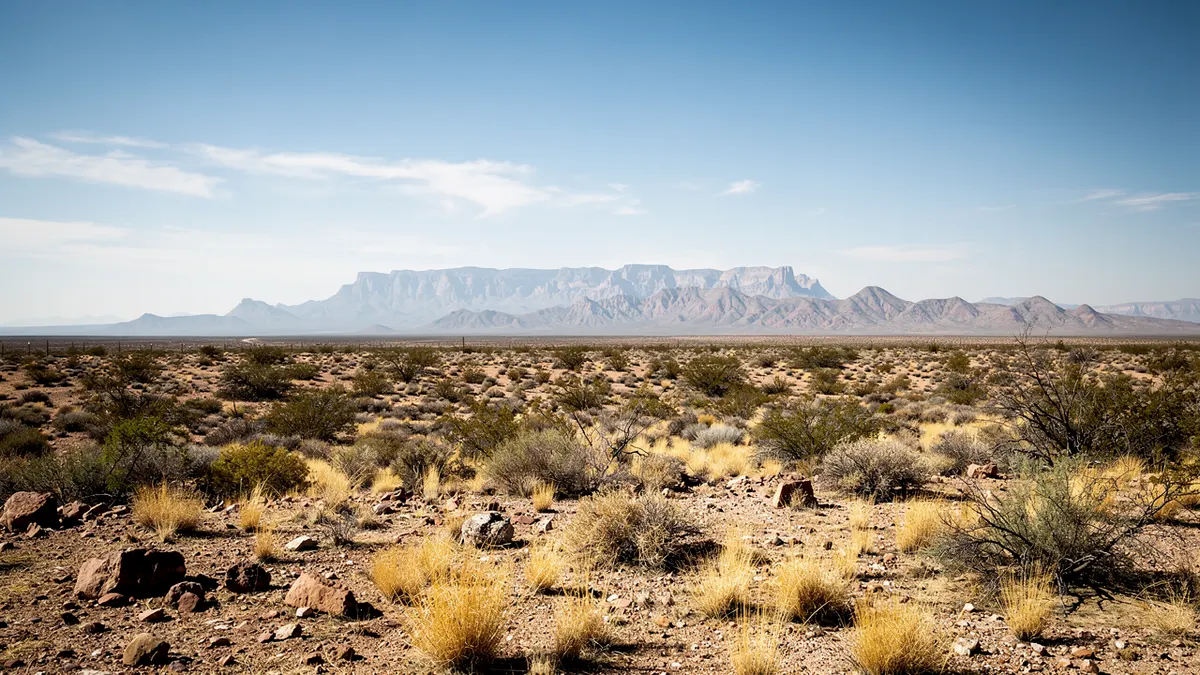
Wide open plains.
Long straight roads.
Bare mountains in the background.
Clean industrial zones.
The older architecture downtown.
And interiors with clear light.
How to put them forward
Six simple moves.
Name each location in the portfolio.
State the travel time from town.
Show one image per location, not ten.
Specify the permissions needed, to be confirmed with the owner.
Give a realistic shooting duration.
And offer a day package with two locations.
Winter exists here
Six production consequences.
Short days in December and January.
Cold mornings that drain batteries.
Wind that forces microphone protection.
Outdoor work to be shifted toward midday.
A need for an indoor fallback.
And very favourable low light at the end of the day.
Pricing on both sides of the border
Six rules.
Never align your price with the cheaper market.
Announce a firm price in a single currency.
Invoice travel separately.
Separate the rights line from the production line.
Plan a supplement for the second language.
And set a due date on the invoice.
What proximity to the border changes
| The buyer | Their typical order | What they often ask for |
|---|---|---|
| An industrial site | Process videos | Controlled access |
| A local brand | Product videos | The regional accent |
| A foreign brand | A bilingual batch | Two voices from one shoot |
What sells well from here
The ability to deliver in two languages. One shooting day produces two versions, doubling the value of the work without changing a single production habit.
What is prepared for a client across the border
The invoicing currency, the exchange rate and the transfer fees. Those three are fixed in the quote, and the applicable filing regime is confirmed with a local accountant.
What the platform brings
On UGC MATCH, joining is free and there is no subscription: you are visible by category, language and country, and the order keeps a record of the brief and the delivery. The brand pays at ordering, the funds are not released straight away, and payment goes out on approval. The platform retains 10% of the price on the creator side, who therefore keeps 90%, and charges the brand a 6% service fee, with a minimum of 1.50 EUR.
One last marker: what you find ordinary here is exactly what a client elsewhere cannot obtain. Show it, price it, do not give it away.