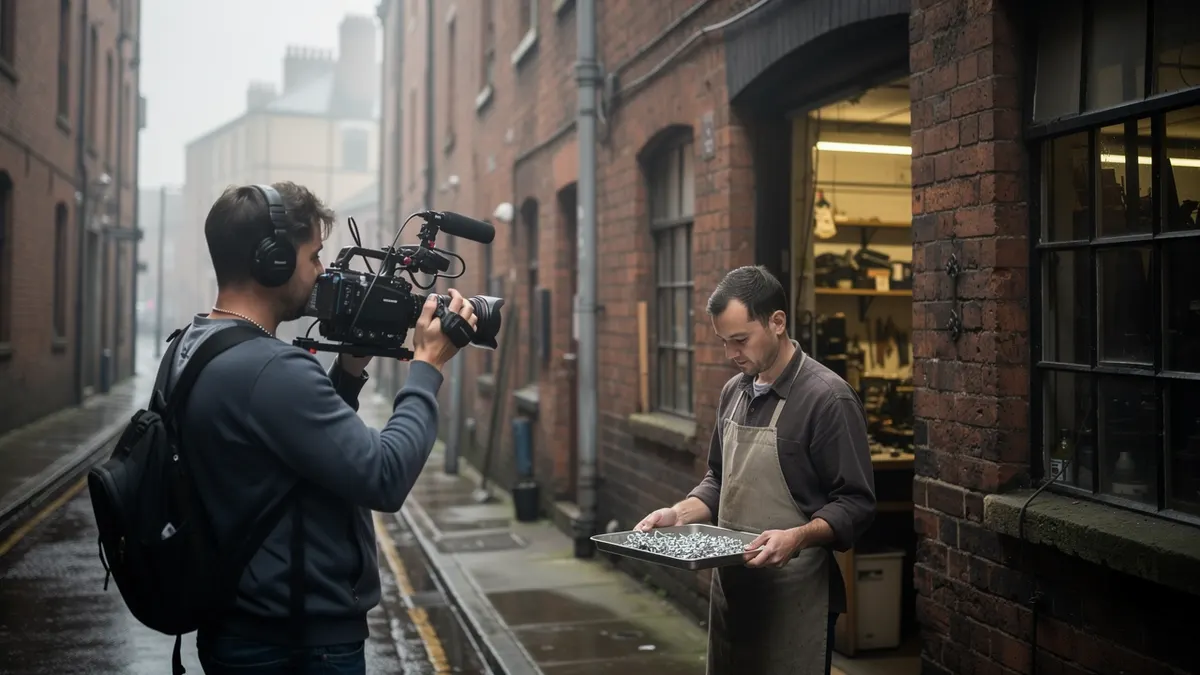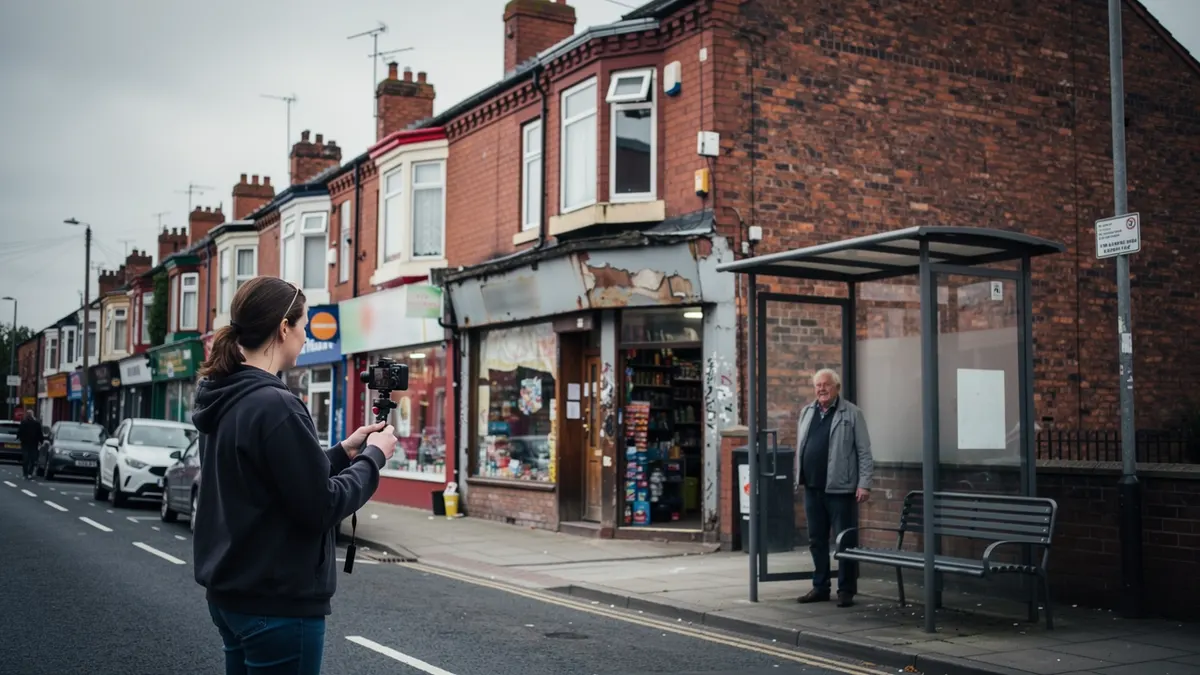
Liverpool has the strongest local identity of any English city, and creators usually treat that as culture rather than as a commercial fact. It is both, and the commercial half is the one that changes what you film.
Content that is visibly of Liverpool outperforms content that merely happens to be in Liverpool. That is the whole thesis, and almost every practical decision follows from it.
Identity is a conversion factor
An audience here notices when something was made by someone who lives here, and it notices faster than in most places. A generic interior, a neutral voice and a stock phrase read as an outsider talking, and the response is polite indifference.
What being of the city looks like on camera
A recognisable street rather than a white wall. A person who speaks like the customer rather than like a presenter. A reference that a local gets and an outsider does not need to.
None of that costs money. It costs a decision to stop making content that could have been shot in any city, which is what most brands ask for by default.
The tourism and culture economy
Liverpool is a serious visitor city: music, football, museums, architecture, a waterfront, and a weekend economy that fills hotels and restaurants year round.
| Client | What they buy | The rhythm |
|---|---|---|
| Hotels and short lets | Rooms, neighbourhood, the walk to the ground | Booked ahead, quiet in January |
| Bars and restaurants | Short, frequent, atmosphere | Weekly, and heavy before events |
| Museums and venues | Programme and exhibition content | Fixed dates, planned months out |
| Football-adjacent business | Matchday and merchandise | Two clubs, an enormous global audience |
| Independent retail | Product and personality | Steady, small, loyal |
The fourth row is the one that separates this city from every other in England. The global audience for its two clubs is larger than the city itself, and any business near that audience can reach people who will never visit.
The accent is an asset
Creators from here often assume the accent limits national work. In practice it does the opposite more often than they expect: it is one of the most recognisable voices in the country, it reads as warm and direct, and brands casting for authenticity ask for it by name.
Where it genuinely does not fit
A brand trying to sound neutral and international will cast neutral, and that is a preference rather than a judgment. The mistake is to soften the accent in the hope of being cast for that work, because the result satisfies nobody: it loses the warmth without gaining the neutrality.
Where people film
The waterfront and the Royal Albert Dock are the postcard, and they are busy for most of the year. The Baltic Triangle gives brick, murals and warehouse interiors and is where most of the small creative and food businesses ended up.
The postcard and the neighbourhood are two different jobs
A visitor-facing client wants the version of the city that people travel to see. A local business wants the version its customers walk through on a Tuesday. Filming the first for the second is the most common waste of a shoot day here.
Georgian Liverpool around Hope Street gives clean facades and light with almost no crowds on a weekday. And the ordinary high streets outside the centre give the backgrounds that actually convert for local businesses, because that is where their customers live.