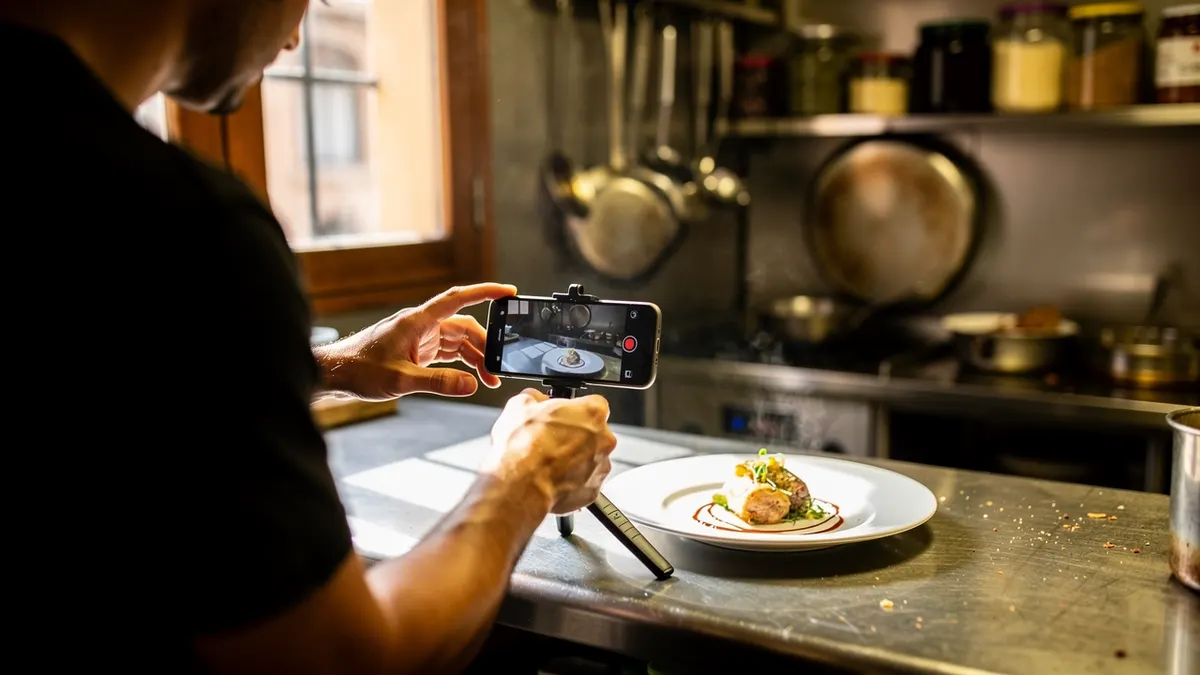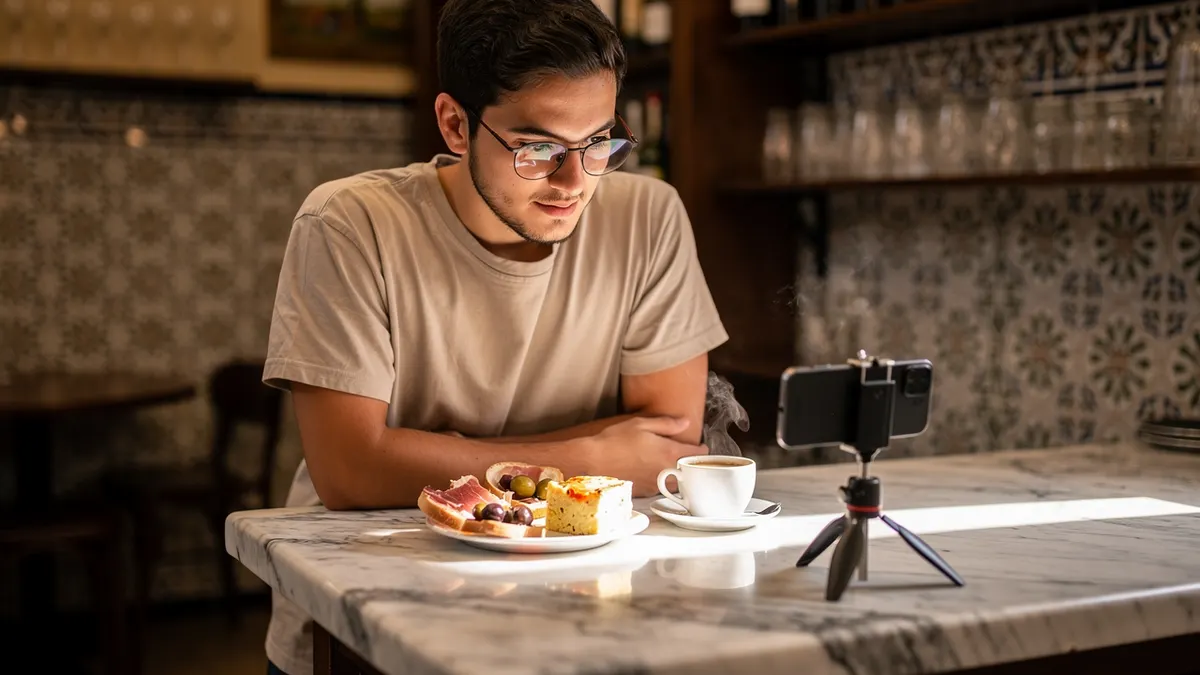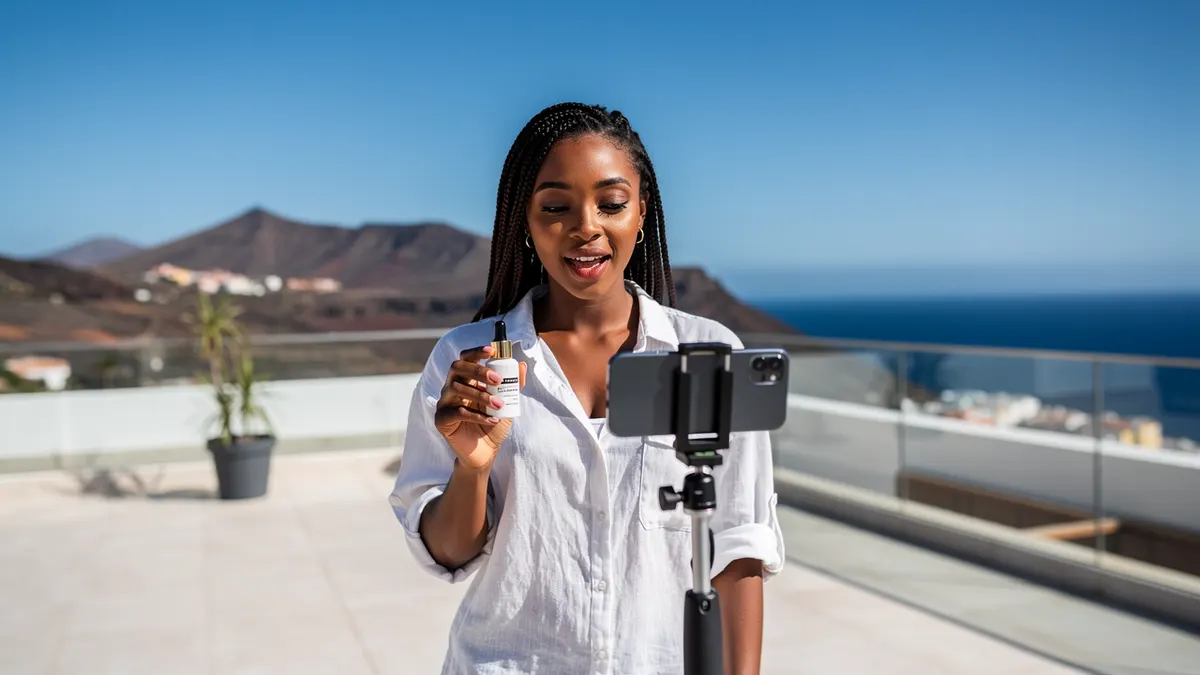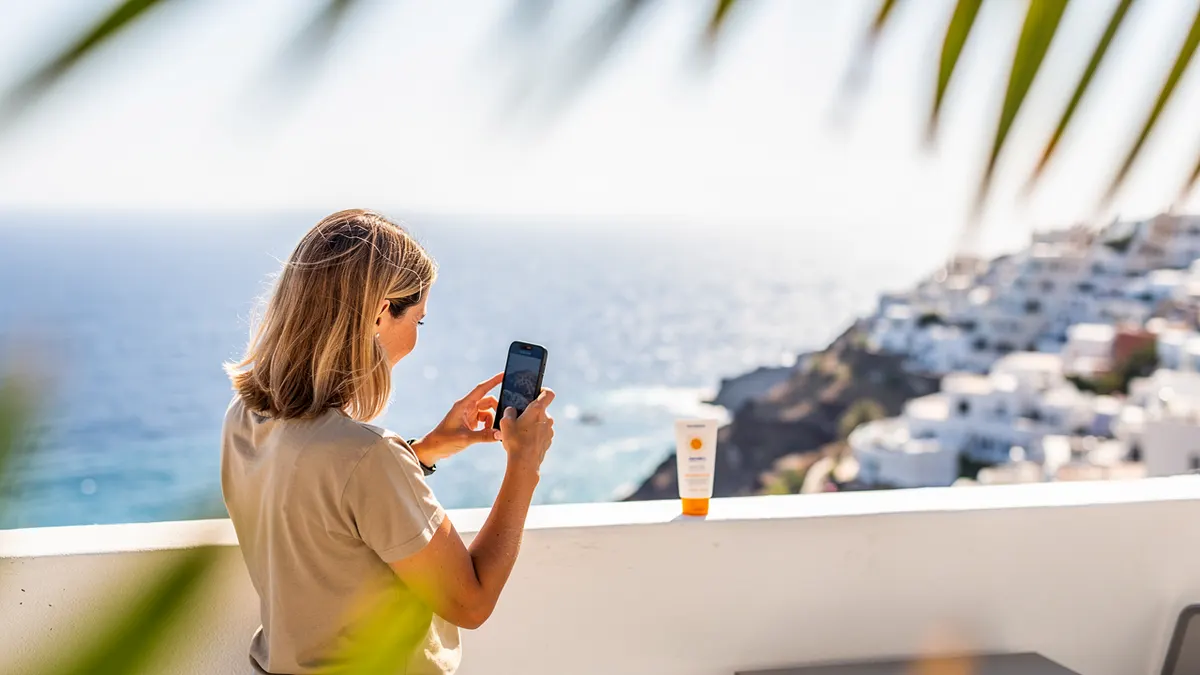
Tourism, an international technology hub and light all year: one of the best places in the country to film.
A city of tourism, technology and foreign residents
Six client families.
Technology companies and software publishers.
Accommodation and tourism operators.
Shops and restaurants.
Services for foreign residents.
Agencies working for foreign clients.
And schools and training centres.
What they order
Six frequent formats.
A software or app demonstration.
An establishment presentation.
Seasonal content for bookings.
A client or team testimonial.
Coverage of a professional event.
And a short series for social media.
Filming a product that only exists on screen
Seven reflexes that change the result.
Start from the problem the tool solves.
Film the person before the interface.
Keep the screen inserts short.
Enlarge the useful area rather than the whole screen.
Remove any real data on display.
Have the captures approved by the client.
And end on the result obtained, not on a menu.
What a software company expects
Six goals behind an order.
Reducing the number of questions sent to support.
Showing a feature nobody uses yet.
Convincing a decision maker who will never open the tool.
Supporting the launch of a version.
Recruiting scarce technical profiles.
And having a video usable in a sales demonstration.
English as a revenue lever
Six uses that can be invoiced.
A version filmed in English.
Subtitles per market.
Proofreading by a native speaker.
Content for an international fair.
Communication toward a foreign buyer.
And a profile properly written in both languages.
The questions to ask before a software shoot
Seven answers that change the plan.
Which version of the tool will be on screen.
Whether the data shown can be published.
Who provides the demonstration account.
Which browser and language the interface must be in.
Whether the feature may change before release.
Who validates the technical wording.
And how long the video is expected to stay accurate.
Light, the best local resource
Six habits that make the difference.
Shoot early or late in the day.
Use a reflector rather than a lamp.
Watch for hard shadows on faces.
Fix the white balance for the series.
Plan an indoor shot for the difficult hours.
And scout the locations at the exact hour of the shoot.
How to find clients here
Six routes that work.
Technology sector meetups.
Coworking spaces.
Accommodation providers before their season.
Referrals from a satisfied client.
Services aimed at foreign residents.
And visibility maintained on the platforms.
How to build a price here
Six lines to show.
Preparation and scoping.
The shooting time.
The number of languages delivered.
The number of revisions included.
The rights line, with duration and territory.
And the editing of the screen inserts.
What a coastal, tech-facing city orders
| The buyer | Their typical order | Their season |
|---|---|---|
| An accommodation or restaurant | The place and the terrace | Spring and summer |
| A digital company | A service demonstration | All year |
| A town-centre business | The product and the window | Regular |
What the twin economy brings
Seasonal tourism plus companies ordering all year. A creator serving both does not face the winter trough that hits purely tourism-facing profiles.
What most often fails on a terrace
Midday backlight. Placing the person with their back to shade and exposing for their face gives a clean shot, whereas exposing for the sea gives a black silhouette no setting recovers.
What the platform brings
On UGC MATCH, joining is free and there is no subscription: you declare your languages, you are visible by category and country, and the order keeps a record of the brief and the delivery. The brand pays at ordering, the funds are not released straight away, and payment goes out on approval. The platform retains 10% of the price on the creator side, who therefore keeps 90%, and charges the brand a 6% service fee, with a minimum of 1.50 EUR.
One last marker: tourism pays for your summers, technology pays for your winters. The creators who last here work both.