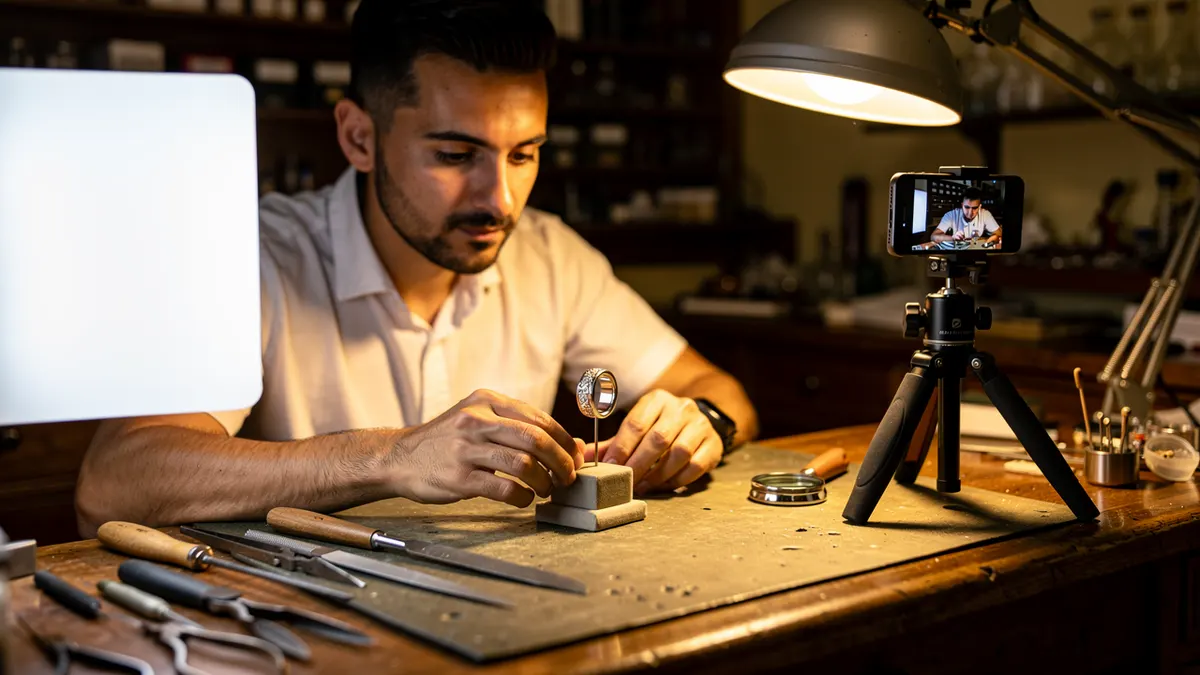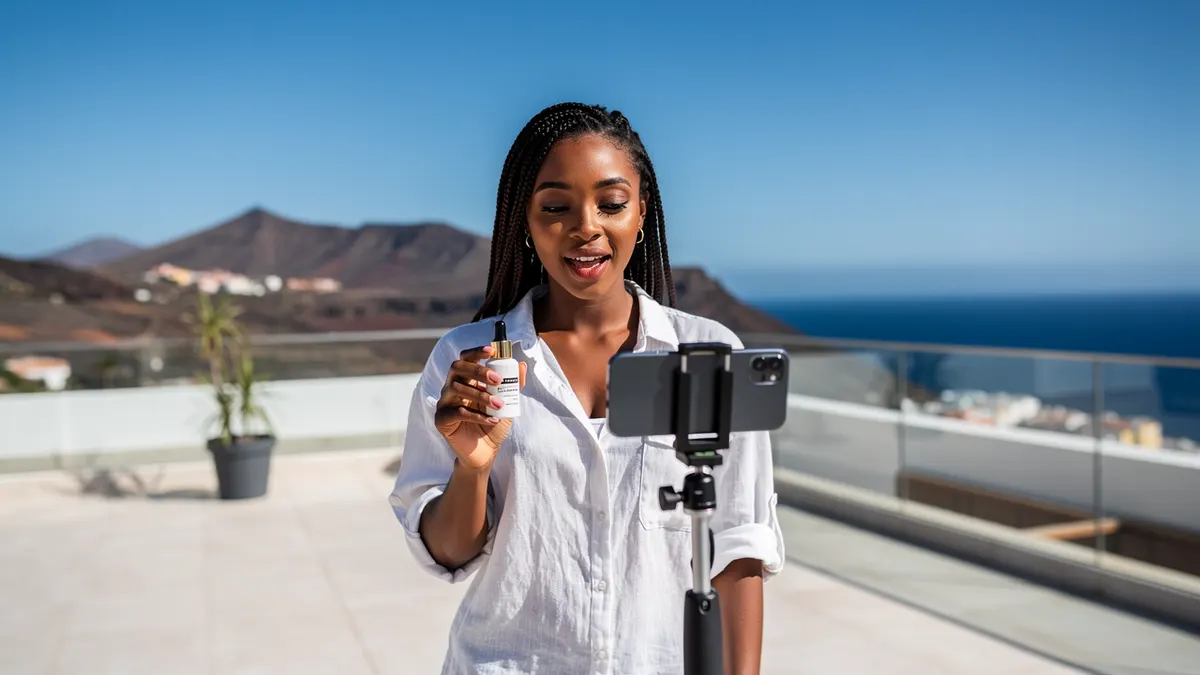
Usable light all year, a tourism economy, remote workers, and an invoicing regime that is not the mainland's.
Two economies, both buyers
Six client categories.
Hotels and accommodation.
Activity and excursion operators.
Restaurants and shops.
Business service companies.
Shared workspaces and the people in them.
And national brands that come here to film.
What tourism orders
Six frequent formats.
An accommodation presentation.
An activity or excursion video.
Booking content for the season.
A visitor testimonial.
Event coverage.
And a series of short formats.
Selling the light rather than the scenery
Six arguments to write down.
Exteriors usable every month.
A guaranteed shooting window in winter.
Very different locations within a short radius.
A crew already on site.
A production cost lower than a trip.
And the ability to receive a shipped product.
What island logistics change
Seven practical points.
A longer shipping time for any product sent to you.
A customs step to ask the brand about.
A spare unit worth requesting upfront.
Gear repairs that cannot be done the same day.
A backup for every critical piece of equipment.
Batteries and cards bought before you need them.
And a delivery date counted from reception, never from the order.
The clients who come from elsewhere
Six frequent needs.
Outdoor images out of season.
A product shoot in natural light.
A location stand-in for a campaign.
Travel content for a brand.
Coverage of a corporate event.
And a series of short formats filmed on site.
What to agree with a distant client
Seven points to write down.
Who bears the product's shipping costs.
The expected reception date.
The starting point of the delivery deadline.
The number of weather postponements included.
The duration and territory of the rights.
The expected invoice format.
And the reference time zone.
Remote workers, a quiet market
Six possible clients.
Shared workspaces.
Technology companies based here.
Services for foreign residents.
Language schools.
Estate agencies.
And business service providers.
How to build a price here
Six lines to show.
Preparation and location scouting.
The half-day or day of shooting.
The number of formats delivered.
The number of revisions included.
The rights line, with duration and territory.
And the option of a subtitled version.
What a tourist archipelago orders
| The buyer | Their typical order | Their season |
|---|---|---|
| An accommodation or rental firm | The place and the activity | All year |
| An outdoor brand | Use at sea or on volcanic ground | The European winter |
| A city business | Product videos | Regular |
What a mild winter lets you sell
An outdoor shoot in January. European brands look for summer imagery out of season, and that is a concrete commercial argument for prospecting far beyond the islands.
What salt and sand impose
Never changing lenses by the shore and rinsing the kit after every session. A single day of loaded wind is enough to scratch a lens, and the repair costs more than a job.
What the platform brings
On UGC MATCH, joining is free and there is no subscription: you declare your languages, you are visible by category and country, and the order keeps a record of the brief and the delivery. The brand pays at ordering, the funds are not released straight away, and payment goes out on approval. The platform retains 10% of the price on the creator side, who therefore keeps 90%, and charges the brand a 6% service fee, with a minimum of 1.50 EUR.
One last marker: your advantage sells in January, not in August. That is the month when a mainland client cannot get what you have at hand.
Sources
- Agencia Tributaria, Spanish tax authority
- Spanish Social Security, self-employed registration (RETA)
Checked on 26 August 2026. Thresholds and rates change: where this guide and the official source disagree, the official source is right.