A port and beach market on the Pacific, with cruise calls, fishing and a marked high season: how to earn from it all year.
Port, fishing and beach
Six client families.
Tourism operators and guides.
Accommodation and restaurants.
Fishing and processing companies.
Seafront shops.
Transport companies and visitor services.
And local schools and associations.
What they order
Six frequent formats.
A presentation of an excursion or activity.
A venue or accommodation video.
Seasonal content for bookings.
A guest or team testimonial.
Coverage of a local event.
And a short series for social media.
What a tour operator is really buying
Six goals behind an order.
Filling the departures that stay half empty.
Showing what the excursion looks like in bad weather.
Explaining what is included before anyone asks.
Reassuring a visitor who books from abroad.
Recruiting guides before the season opens.
And answering a negative review with visible proof.
Using the peak without depending on it
Seven ways to fill the quiet months.
Film products and interiors out of season.
Prepare the following season's content.
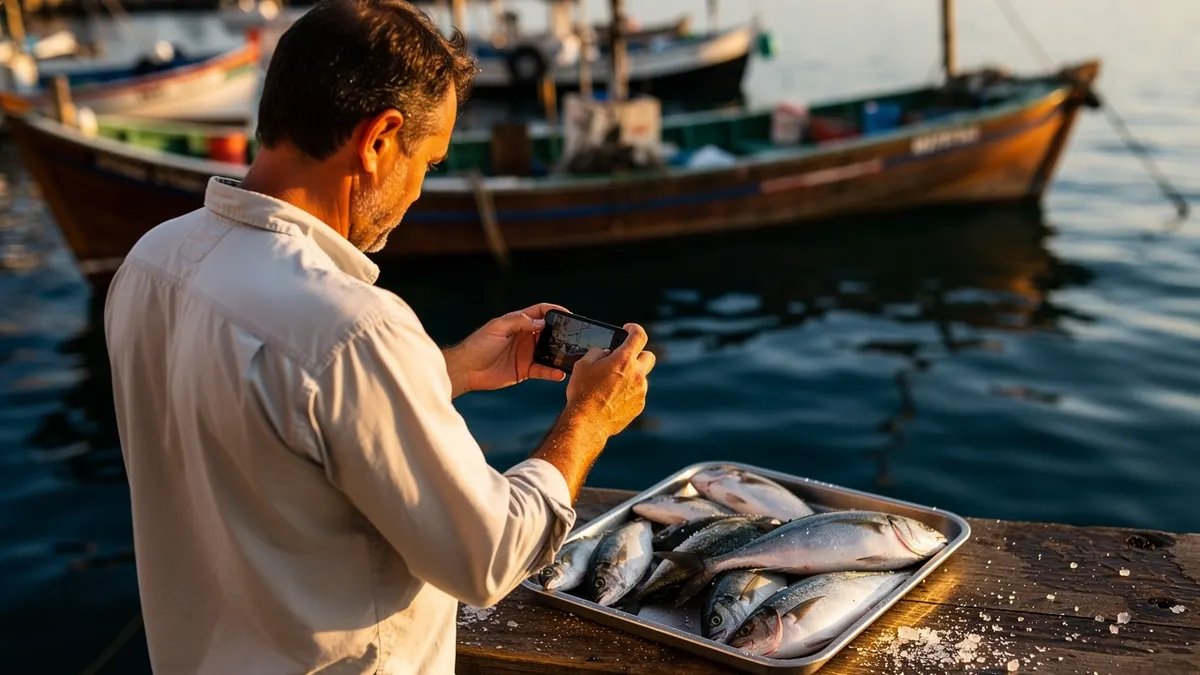
Work with fishing companies all year.
Offer recruitment content before the peaks.
Sell editing based on existing footage.
Serve clients located elsewhere in the country.
And deliver a series that publishes while you are away.
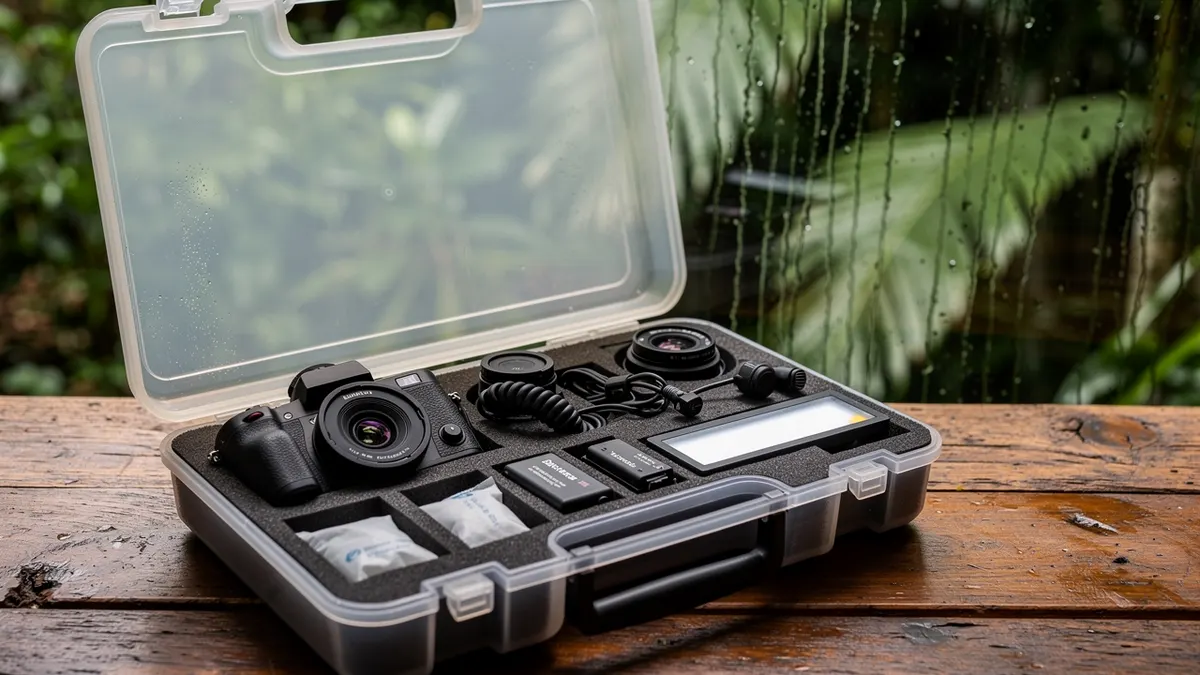
Filming on the coast without ruining your gear
Seven essential precautions.
Rinse and dry the gear after every day.
Never change a lens facing the wind.
Protect the bag from sand and spray.
Carry desiccant sachets.
Keep a spare battery in the shade.
Avoid the hours of harshest light.
And back up twice before leaving the site.
The season calendar
Six organising markers.
The high season fills the places and empties the diaries.
The preceding months are for producing.
Call days concentrate the activity.
Rainy periods require an alternative.
Content is delivered before bookings open.
And a good season sells again the following year.
What to ask before filming
Six agreements to obtain.
Permission from the manager of the place.
Written consent from the people filmed.
The rules applying in a protected area.
The conditions for access to the seafront.
Drone use, to be confirmed with the competent authority.
And the client's approval before release.
How to build a price here
Six lines to show.
Preparation and location scouting.
The real time on site, travel included.
The number of deliverables and their formats.
The number of revisions included.
The rights line, with duration and territory.
And the peak-season surcharge.
What a port and beach province orders
| The buyer | Their typical order | Their season |
|---|---|---|
| A seaside accommodation | The room and the sunset | The dry season |
| A boat-trip operator | The boarding and the activity | All year |
| A harbour business | The product and the atmosphere | Regular |
What filming at sea requires
A protected camera and a shot taken from a stable point. On a boat, a wide shot held for two seconds beats a camera move that makes the viewer seasick.
What evening light brings
Twenty minutes worth the whole day. Low sun gives colours no setting reproduces, and a well organised shoot saves those twenty minutes for the shots that sell.
What the platform brings
On UGC MATCH, joining is free and there is no subscription: you are visible by category and country, and the order keeps a record of the brief and the delivery. The brand pays at ordering, the funds are not released straight away, and payment goes out on approval. The platform retains 10% of the price on the creator side, who therefore keeps 90%, and charges the brand a 6% service fee, with a minimum of 1.50 EUR.
One last marker: your income does not depend on the number of visitors, it depends on the number of clients who order from you out of season. Build that list first.