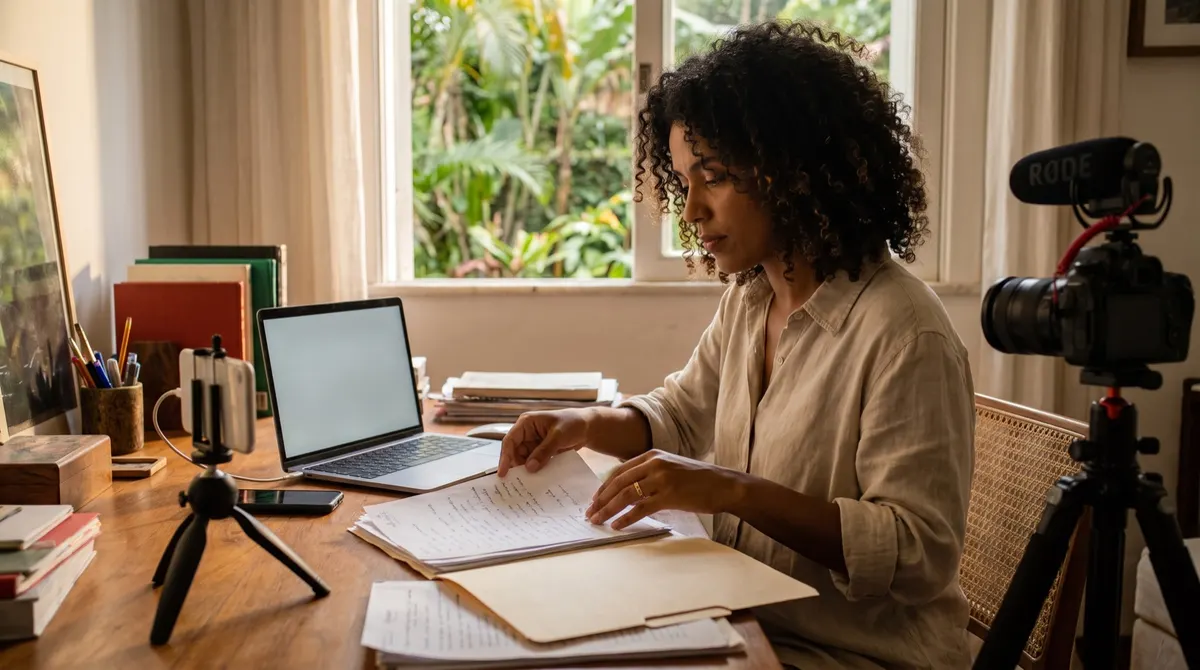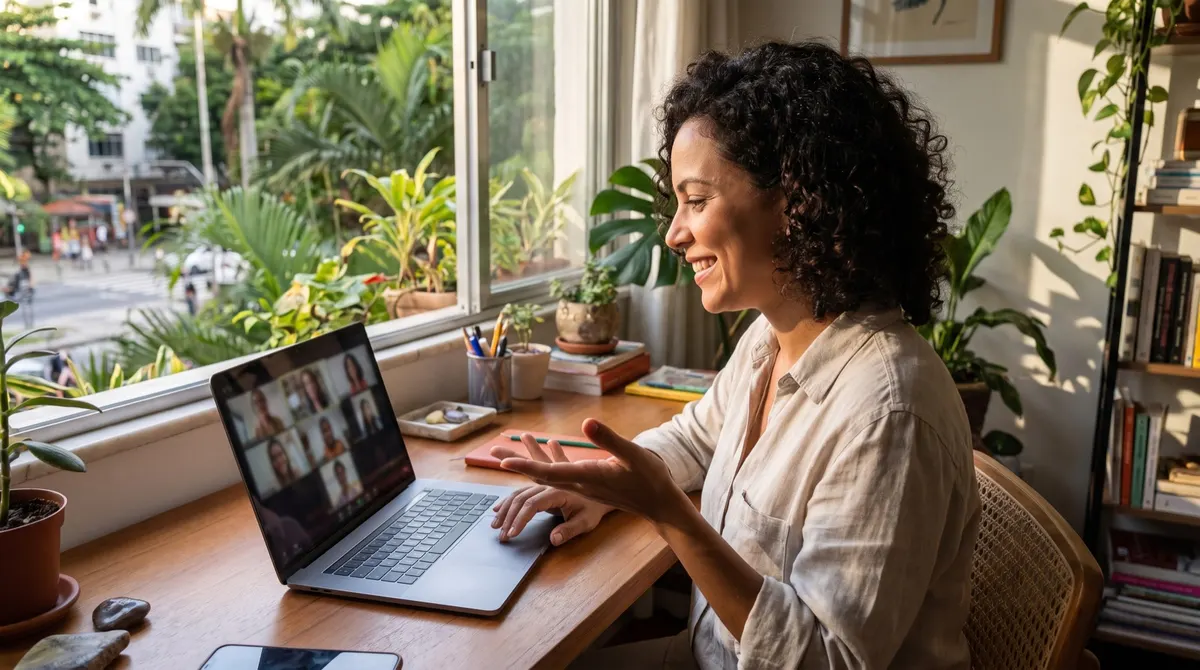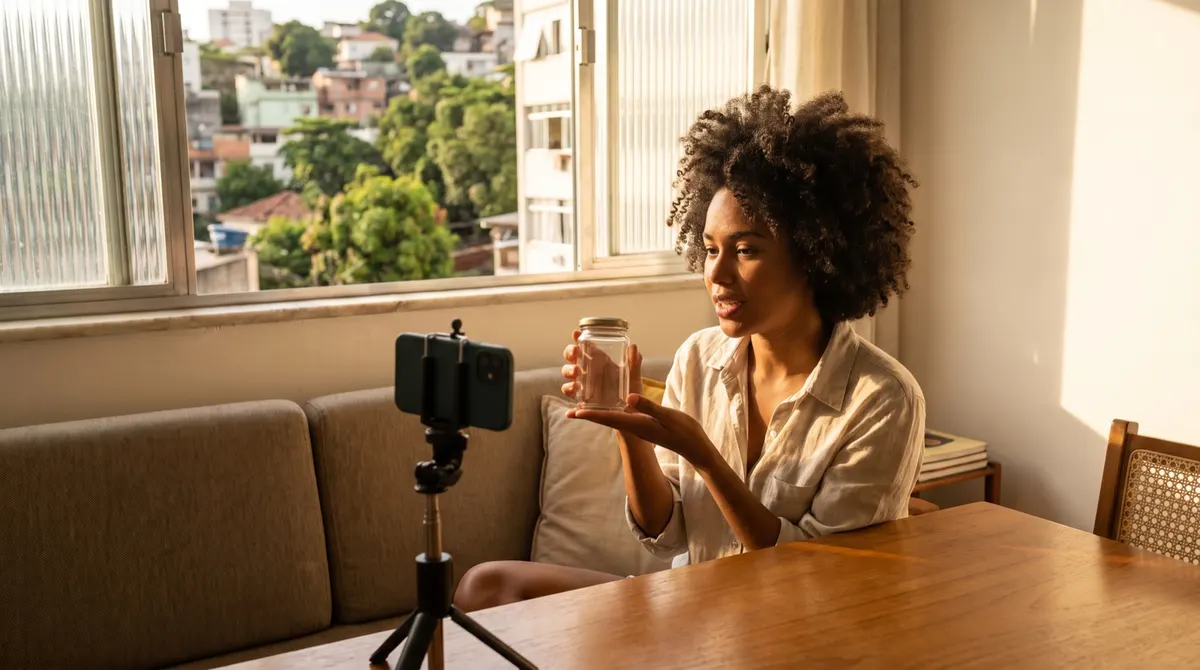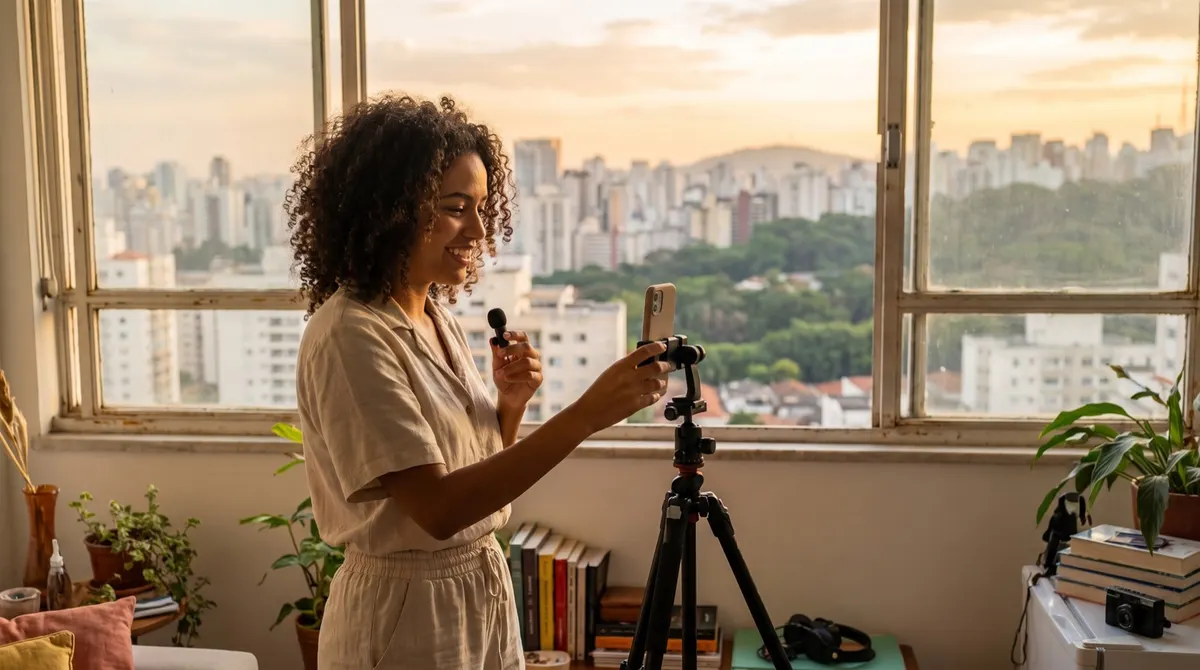
If you are trying to understand where user generated content really happens in Brazil, the answer keeps pointing to one place: São Paulo. The city is the commercial engine of the country, home to most brand headquarters, agencies, and marketing teams, which means the demand for authentic short form video is concentrated here more than anywhere else. For a creator, that density is the whole story. More brands in one metro area means more briefs, more paid tests, and more repeat clients within easy reach.
Why São Paulo is the biggest UGC hub in Brazil
São Paulo is not just large, it is where decisions get made. National and international companies base their Brazilian operations here, and the local agency scene is deep, from boutique social shops in Vila Madalena to full service performance houses serving e-commerce brands. When a marketing manager needs ten pieces of native looking video for a paid social campaign, the shortest path is a creator who already lives in the same city, speaks the same references, and can turn a brief around fast.
The other advantage is cultural. Paulistano content has a recognizable rhythm, direct, fast, a little irreverent, and that tone travels well across the rest of Brazil. A creator who nails the São Paulo voice can usually reach audiences from the Northeast to the South without sounding out of place, which makes local creators a safe bet for national campaigns.
The industries hiring creators here
The demand is not evenly spread, it clusters around a handful of sectors that dominate the local economy. Knowing where the budgets sit helps you point your portfolio in the right direction.
- Fashion and apparel: fast fashion, resale, and independent labels concentrated around Brás, Bom Retiro, and the online resellers who need constant try on content.
- Beauty and skincare: a huge category in Brazil, with local and imported brands pushing routines, results, and honest reviews.
- Food and delivery: restaurants, delivery apps, packaged snacks, and the growing world of specialty coffee and healthy meal brands.
- Tech startups: São Paulo is the fintech and SaaS capital of Latin America, and these companies increasingly want human, relatable video instead of polished corporate spots.
- Home, wellness, and fitness: supplements, studios, and household products that lean on real testimonials to build trust.
If you are starting out, pick one or two of these and build content specifically for them. A focused reel beats a scattered one every time.
How local creators actually find brand work
Very little of the good work is found by waiting. The creators who stay busy in São Paulo tend to mix inbound and outbound. On the inbound side, a clean Instagram or TikTok presence with a few strong UGC examples acts as a live portfolio, and marketing teams do search hashtags and location tags to find people. On the outbound side, creators pitch agencies directly, join marketplaces that connect them with brands, and stay active in local creator groups on WhatsApp and Telegram where briefs get shared daily.
Agencies are worth courting specifically. A single performance agency in São Paulo can feed you steady work across many of its clients, so getting on their approved creator list is often more valuable than chasing one big brand. Reliability matters more than follower count here. Teams rehire the creator who delivered clean files on time far more often than the one with the largest audience.
Remote versus in person shoots
Most UGC in São Paulo is shot remotely, meaning the creator films at home or on location with their own phone and lighting, then delivers the raw or lightly edited clips. This is the default because it is cheap, fast, and scalable, and it is how the majority of paid social content gets made. Product samples are couriered to the creator, who films the unboxing, the demo, and the testimonial on their own schedule.
In person shoots still happen, and they pay more. Beauty brands sometimes want creators on site at a studio, food brands may film inside a restaurant, and fashion labels occasionally run group shoot days. Living in São Paulo is a real advantage here, since a brand booking an in person day almost always prefers someone who can reach the location without travel costs. Offering both remote delivery and the option to show up widens the kind of jobs you can take.
Rough rate expectations in reais
Rates vary a lot by experience, niche, and usage rights, so treat these as loose ranges rather than fixed prices. A single short UGC video from a newer creator often sits in the lower hundreds of reais, while an experienced creator with a strong portfolio can charge several times that per video. Bundles of three to five videos usually mean a better per unit rate for the brand and a bigger total for you.
Two things push the number up: paid media usage, where the brand runs your video as an ad, and exclusivity, where you agree not to work with competitors for a period. Both deserve an extra fee, and many newer creators forget to charge for them. As you build proof, you raise your floor.
If this scene sounds like your kind of work, the practical next step is to learn the fundamentals of the craft and how to package yourself. Start with our guide on how to become a UGC creator and build from there. São Paulo rewards creators who treat this like a business, show up reliably, and keep their portfolio sharp.
What the country's leading business hub orders
| The buyer | Their typical order | What they require |
|---|---|---|
| A national brand | Batches of videos per campaign | A brief followed to the letter |
| An agency | Variants for ad testing | Dated deliveries |
| A neighbourhood business | Short videos | A firm price |
What density changes about the job
Competition is real, but so is demand. A clearly specialised profile receives qualified enquiries, while a generalist profile mostly serves as a price benchmark in pitches.
What distances impose on scheduling
Crossing the city takes two hours at the wrong times. Two shoots in two distant districts on the same day rarely hold, and turning that down beats delivering both late.
Sources
- Portal do Empreendedor (MEI), Brazilian government
- Receita Federal, Brazilian tax authority
- Simples Nacional, official portal
Checked on 4 September 2026. Thresholds and rates change: where this guide and the official source disagree, the official source is right.