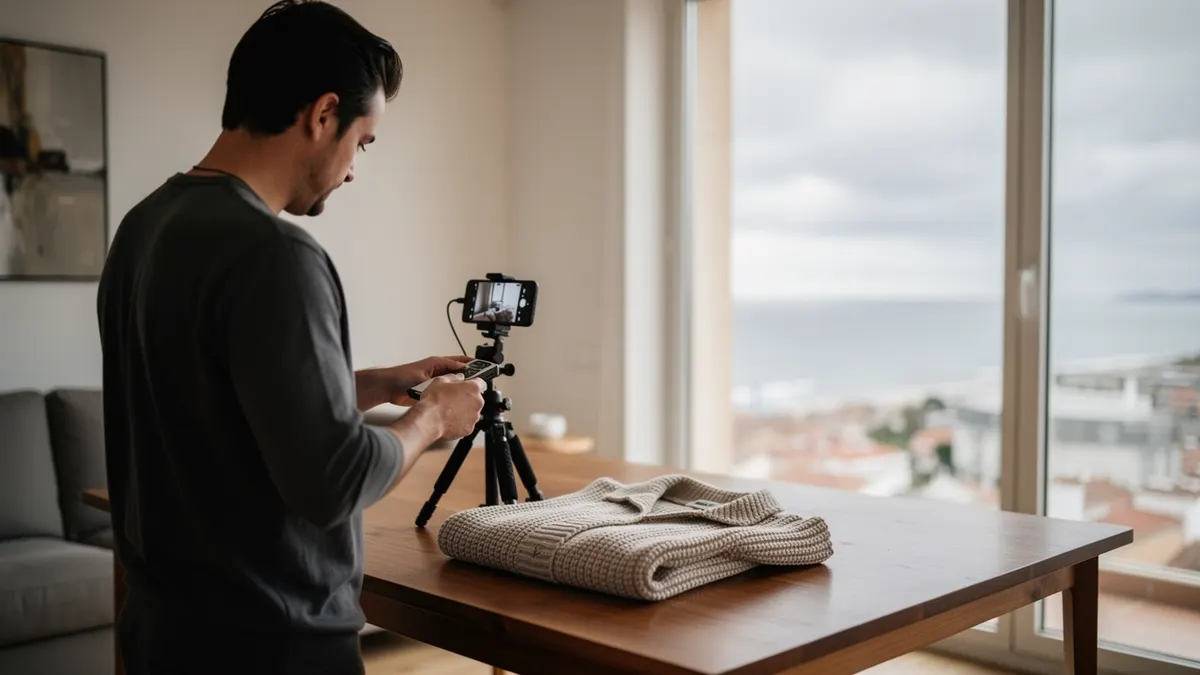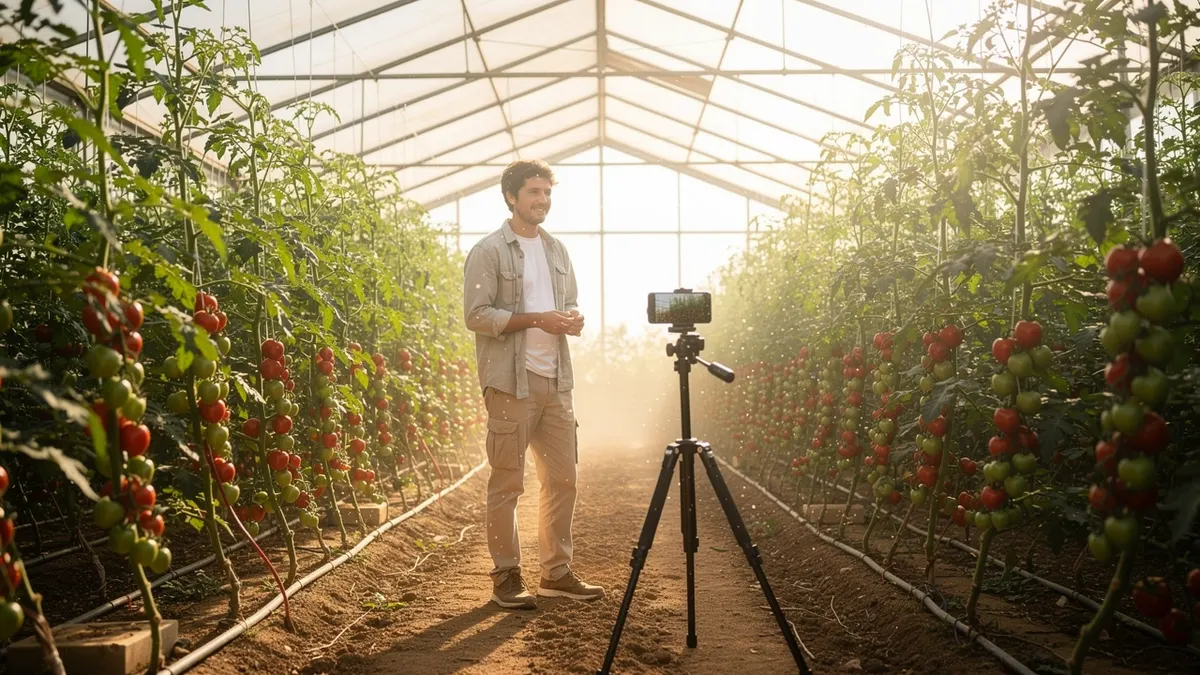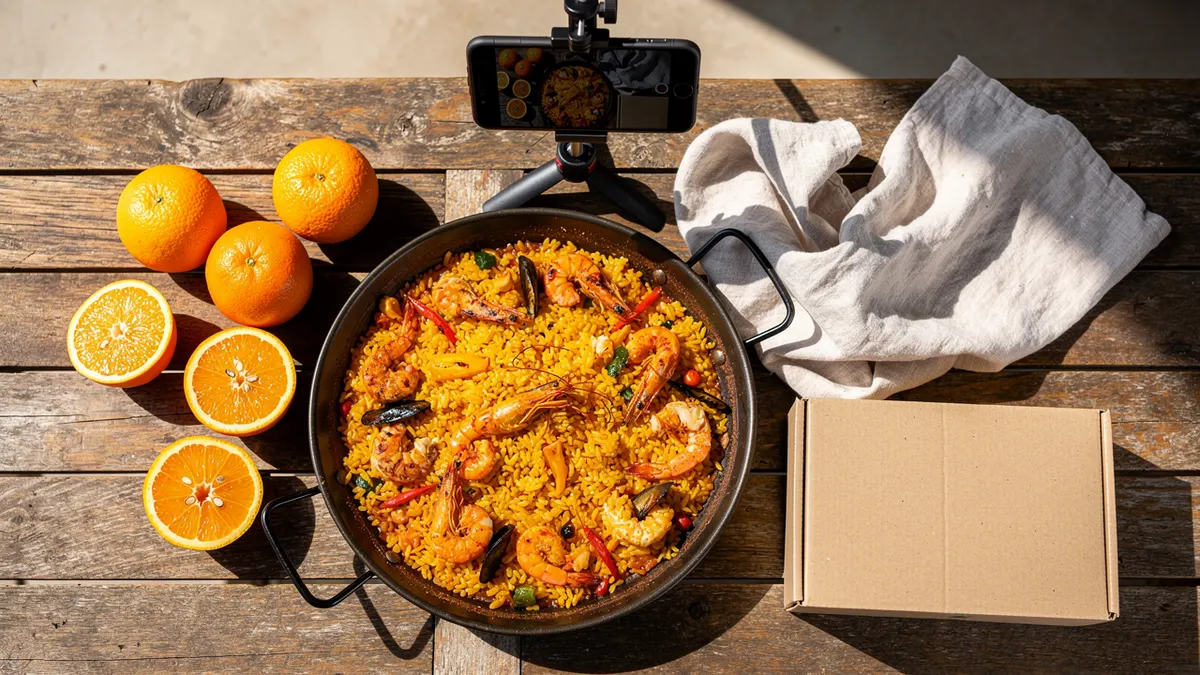
Valencia has become the place many Spanish digital brands choose to settle: it costs less than Madrid and Barcelona, it has a port, it has sun and it has an ecommerce fabric that grows every year. For anyone producing user generated content, that means clients who sell online, reasonable budgets and considerably less competition than in the two big cities.
An economy of ecommerce, food and port
Online retail leads. Digitally native brands in fashion, supplements, cosmetics and homeware keep their warehouse and their team here, and they live on social ads: they need new video every month, not one campaign a year.
The second leg is food. Citrus, horchata, rice and the whole Valencian pantry feed both consumer brands and restaurants. The third is the port and logistics, with professional services around it. Above all of it sits a strong cultural calendar that peaks with Las Fallas in March, when the entire city becomes a set.
The sectors that hire in Valencia
- Ecommerce and digitally native brands: fashion, supplements, cosmetics and homeware. Video for the product page and for paid ads, in volume.
- Food and restaurants: product brands, rice restaurants, cafes and delivery, with enormous cultural weight behind them.
- Tourism and leisure: hotels, apartments, experiences and an urban beach, with both domestic and international audiences.
- Sport: running, cycling and padel, in a city that trains outdoors almost all year.
- Health and aesthetics: dental clinics, dermatology and aesthetic centres, with the care health advertising requires.
- Home and renovation: furniture, lighting and refurbishment, categories where before and after works on its own.
How local creators find work
The direct circuit moves fast: a public portfolio, a short message with two samples and a price to brands whose product you already use. Small ecommerce brands answer the same day because their business depends on fresh creative.
The next step is presenting yourself as a recurring supplier rather than a one off collaboration. A brand burning ten creatives a month cares more about a creator who delivers four videos every month at stable quality than about one who produces a masterpiece in March. Register as autonomo, invoice with VAT and withholding when the client is a company, put rates in writing and answer quickly. A profile on a UGC marketplace makes you visible to brands outside the region, which is where prices rise.
Using the climate and the calendar
Valencia offers good light almost all year and a beach inside the city, which Madrid and Bilbao do not have. That turns the city into a cheap set for outside brands that need sunny exteriors in winter.
The calendar matters too: Las Fallas concentrates attention in March, and campaigns are prepared in January and February, not the week before. A creator who pitches in January gets the March work.
What creators charge
As a Spanish reference: a single video runs eighty to a hundred and fifty euros when you start and a hundred and fifty to three hundred euros with a strong portfolio. Packs of three to five videos sell between three hundred and fifty and nine hundred euros. In Valencia the average ticket usually sits slightly below Madrid, and it is offset by volume and recurring clients. Paid media rights and exclusivity are billed separately.
The festival calendar, from a shooting angle
| Period | What clients want | What can be filmed |
|---|---|---|
| Two months before | Quotes, scheduling | Nothing yet |
| Three weeks before | Content ready to run | Venues, products, teams |
| During the festival | Atmosphere only | Streets, crowds, sets |
What is refused during festival week
A shoot with extras, a fast approval, access to a shop in full service.
What fills the rest of the year
Agrifood, export, technology companies and the coastal accommodation.
Where to go next
Valencia offers brands that buy content every month, good filming weather and a cost of living that lets you build a portfolio without drowning. To turn that into paid work, our guide on how to become a UGC creator covers building the portfolio, setting prices and closing the first collaborations.
Publish your creator profile →---
Sources
- Agencia Tributaria, Spanish tax authority
- Spanish Social Security, self-employed registration (RETA)
Checked on 26 August 2026. Thresholds and rates change: where this guide and the official source disagree, the official source is right.