Industry, seafood processing and one of the most active fishing ports in Europe: here people pay for content that shows how a product is made.
What the local economy is
Six client families.
Seafood processing companies.
Manufacturers and subcontractors.
Port and logistics companies.
Shops and restaurants.
Business service providers.
And tourism and cultural players.
Manufacturing content is the local speciality
Six formats that sell well.
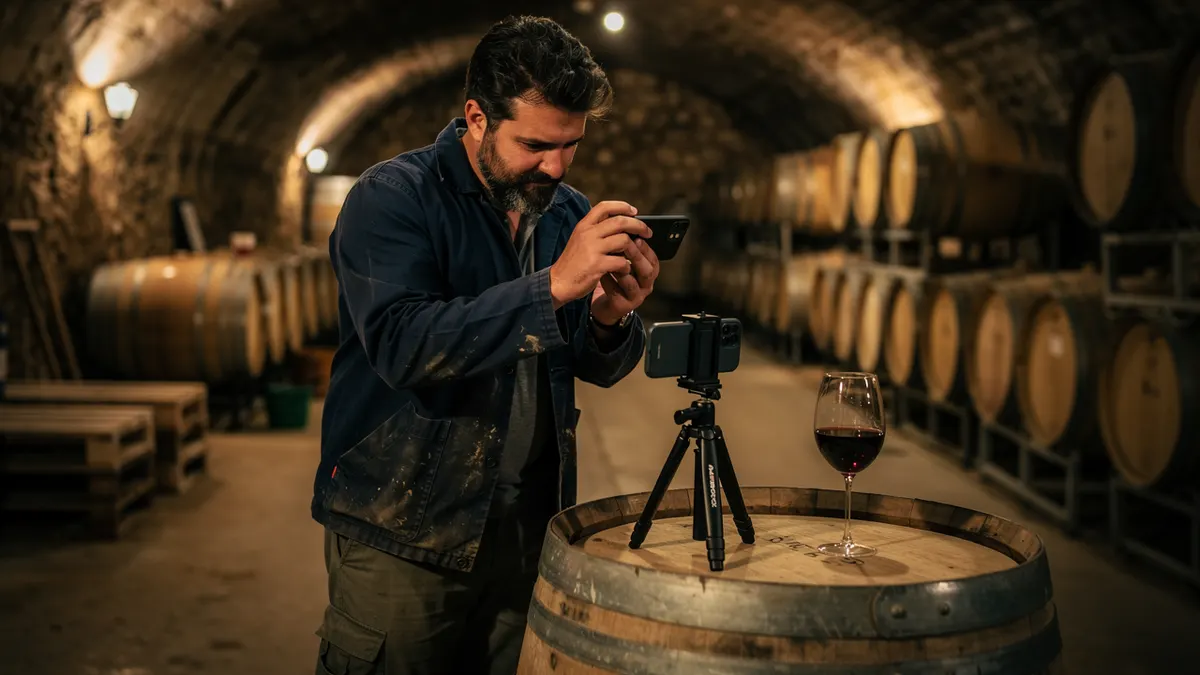
A video showing the production steps.
A know-how presentation for export.
Recruitment content.
A team or producer testimonial.
Trade-fair coverage.
And a short series aimed at buyers.
Writing a manufacturing video that makes sense
Seven steps to respect.
Have the process described in the order of the product.
Spot the visually strong steps.
Plan a wide shot per step to place it.
Add a tight shot on the key gesture.
Note the forbidden zones before coming.
Check who approves the images.
And plan a closing shot showing the finished product.
The constraints of a production site
Six points to settle in advance.
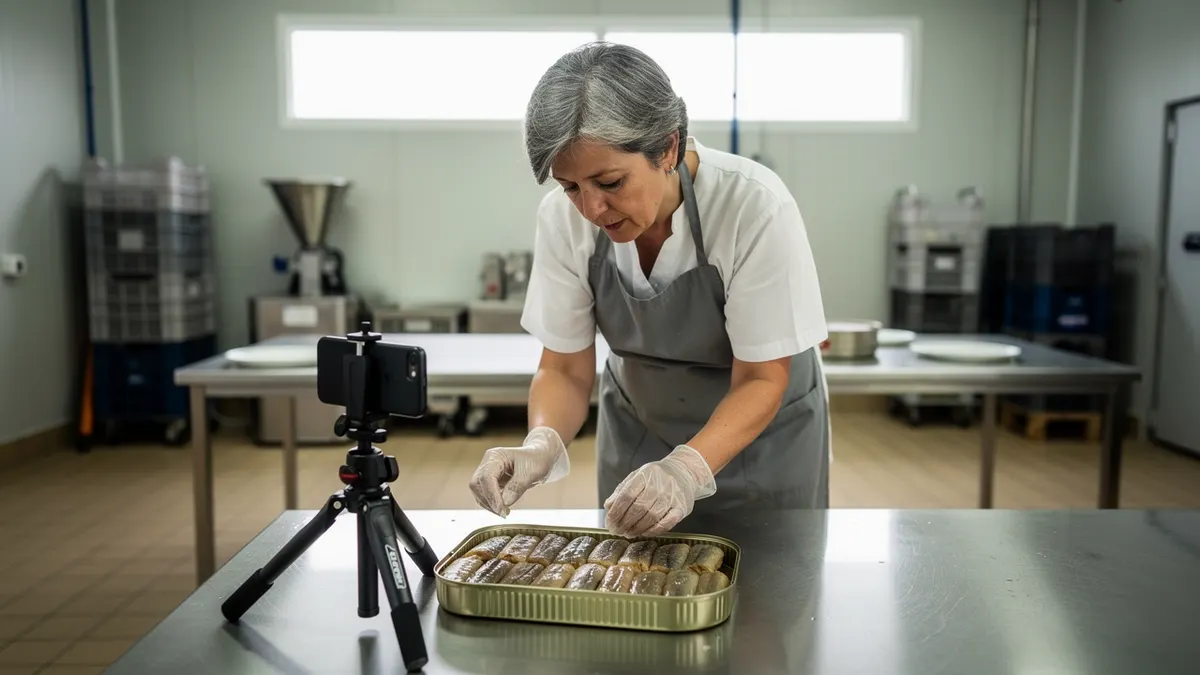
The required clothing and hygiene rules.
The real access hours, often outside production.
The use of a tripod and lighting.
The mandatory escort on site.
Ambient noise, which calls for a suitable microphone.
And the consent of the people filmed.
Weather is a production constraint
Six local habits.
Plan an indoor alternative for every exterior.
Protect gear from sea humidity.
Clean the lenses after every trip to the port.
Shoot exteriors as soon as the light allows.
Announce a window rather than an hour.
And put a fallback date in the quote.
Claims on food products
Six rules of caution.
Do not promise an effect on health.
Reuse only the wording on the label.
Do not imply a different origin.
Have every spoken line checked by the client.
Disclose the commercial nature of the content.
And have applicable obligations confirmed with a lawyer.
How to build a price here
Six lines to show.
Preparation and reading the process.
The real time on site.
The number of deliverables and their formats.
The number of revisions included.
The rights line, with duration and territory.
And the option of an export version.
What a fishing and industrial city orders
| The buyer | Their typical order | Their constraint |
|---|---|---|
| A seafood processor | The line and the finished product | The site's hygiene rules |
| An automotive supplier | The technical demonstration | Factory accreditation |
| A town-centre business | Short videos | A measured budget |
What food hygiene imposes on a shoot
Full protective clothing, cleaned equipment, no gear dismantled in the production zone. These rules are not negotiable, and a creator who knows them in advance gets the access others are refused.
What rain changes about organisation
It cannot be forecast reliably. An outdoor shoot is planned with a two-day window and an indoor plan ready, which beats promising a single date and postponing it.
What the platform brings
On UGC MATCH, joining is free and there is no subscription: you are visible by category and country, and the order keeps a record of the brief and the delivery. The brand pays at ordering, the funds are not released straight away, and payment goes out on approval. The platform retains 10% of the price on the creator side, who therefore keeps 90%, and charges the brand a 6% service fee, with a minimum of 1.50 EUR.
One last marker: here the value is not in the finished product but in the steps that lead to it. Few creators know how to tell them, and that is exactly what gets paid.
Sources
- Agencia Tributaria, Spanish tax authority
- Spanish Social Security, self-employed registration (RETA)
Checked on 26 August 2026. Thresholds and rates change: where this guide and the official source disagree, the official source is right.