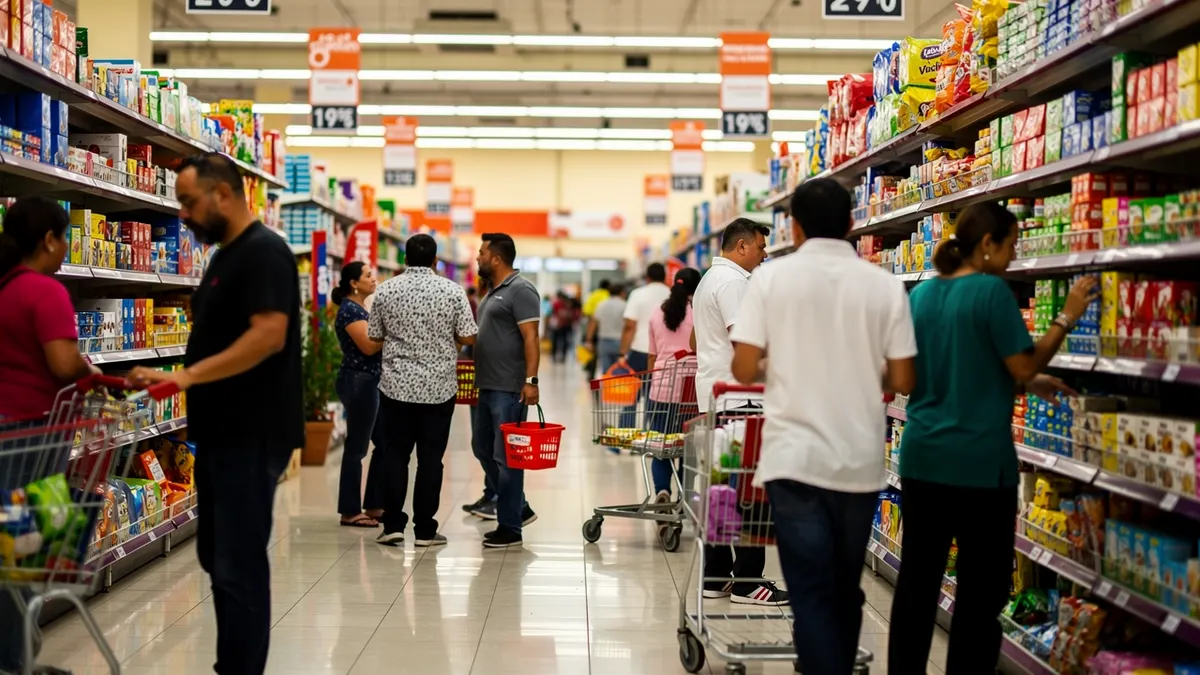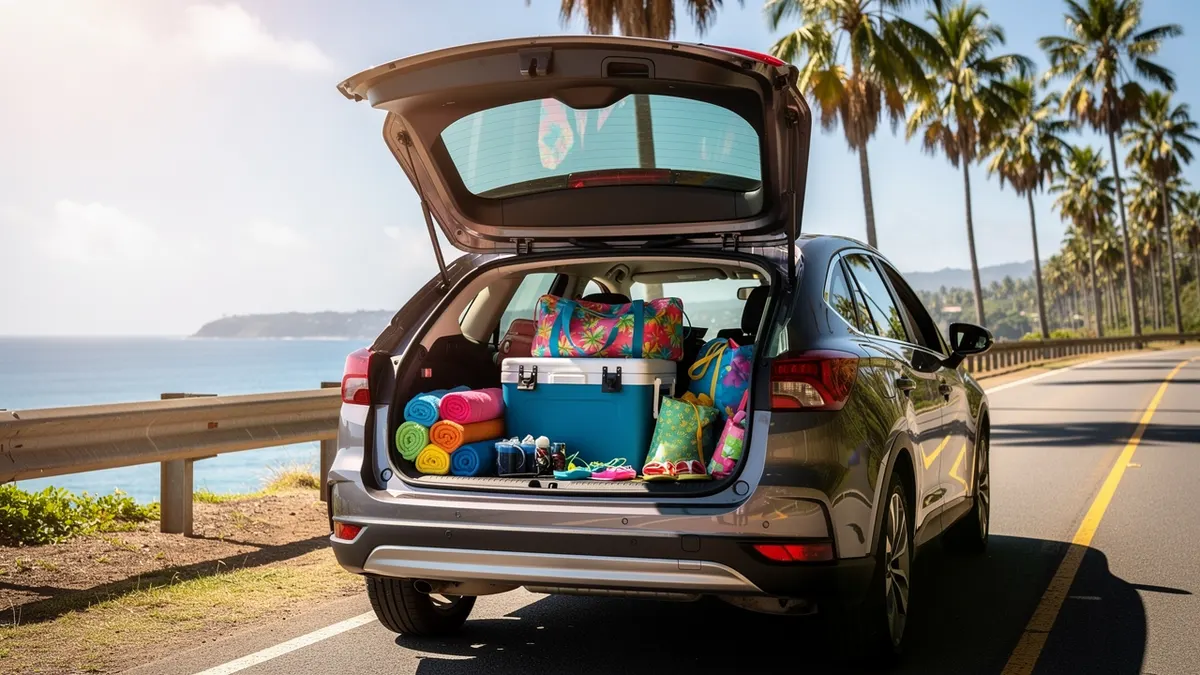
Two weeks when the country travels, when the cities empty and when purchases move towards the coast.
The audience moves, not just its mood
Three simultaneous shifts.
Geographical: the big cities empty, the coastal areas and provincial towns fill up.
Temporal: days shift, purchases happen early in the morning or late in the evening.
And social: buying decisions become family and collective, less individual.
One targeting consequence: the same geotargeted advert on a big city reaches, during this period, a very different audience from the rest of the year.
The purchase happens before departure
Four categories concentrate the demand.
Travel: luggage, organisation, transport, accommodation.
Protection: sun, insects, heat, travel medicine cabinet.
Comfort on site: cool box, chairs, games, light textiles.
And gifts: what you bring back, or what you offer on arrival.
One note on format: those purchases are decided fast and barely compared. A short video showing real use beats an explanatory video.
Urban businesses must not go quiet
Three reasons to keep publishing during the period.
Part of the population stays, and has an empty city, with no traffic jams or queues: that is an argument, not a handicap.
Neighbourhood businesses open while others close capture customers who have no choice.
And advertising competition drops, which mechanically lowers the acquisition cost.
One concrete opportunity: the video simply saying "we are open, here are our hours this week" is one of the most profitable of the year for a local business.
What sells during those two weeks
Three families, and they do not resemble each other.
What is consumed on site and bought locally: food, drink, forgotten beach items.
What has to be repaired or replaced urgently: the car breakdown, the broken sandal, the lost charger.
And what is booked for later: back-to-school offers, bought while there is time.
One useful arrangement: prepare two sets of videos, one for the preceding week and one for the period itself. They are not the same products and not the same message.
Film in February
Three reasons to shoot far ahead.
Creators are also travelling during the period, and unavailable.
Product delivery times get longer before the holidays.
And February light suits outdoor images well, without the heat that complicates shoots later.
One economical practice: shoot the pre-departure videos and the period videos on the same day, changing outfits and settings. The cost per video falls sharply.
What the period changes in habits
| Moment | What happens | The content that helps |
|---|---|---|
| Two weeks before | Travel is being planned | A preparation checklist |
| During | Shops change their hours | A message about opening times |
| After | The return to routine | A tidying-up piece |
What is filmed with accuracy
A product with a real place in the period can appear. A religious tradition is not turned into a campaign backdrop, and that shows immediately.
What is asked before filming
The consent of the people filmed, permission for the place, and the view of someone who lives the tradition on what the video shows and the words used.
The opportunity almost nobody takes
One single one, and it opens every year.
The days immediately following the end of the period, when everybody comes home.
Three needs then appear, and almost no brand addresses them: tidying and cleaning what comes back from the trip, replacing what was lost or broken, and getting back into the weekly rhythm.
A video published at that precise moment finds an available audience, almost no competition and a real need. It is the cheapest window of the whole season.
One last marker, valid for the whole period: do not try to sell while people are travelling. Sell before they leave, serve them while they are there, and meet them again on the day they return.
Sources
Checked on 26 August 2026. Thresholds and rates change: where this guide and the official source disagree, the official source is right.