The year's biggest shopping weekend is prepared in September. What is decided then is not the creative work, it is compliance and logistics.
The real calendar
It is two months ahead of the event.
The content is shot in September, approved in October, and broadcast in the days before the event. A brand ordering videos three weeks ahead gets what is left.
That lead time has a consequence: at the moment of the shoot, neither the final prices nor the final stock are known. That is why the video must be built to take the information late, as an overlay, rather than containing it hard-coded.
Clarity beats the creative trick
During this period, the buyer is not looking to be surprised.
They compare, check, hesitate, come back. What wins is the video answering four questions in ten seconds: which product, what price, what conditions, until when.
Two recurring mistakes: the hook that is too long before the information, and the pile-up of on-screen text that makes the message illegible on a phone.
The useful marker: the offer must be understandable without sound and without reading a single line of description.
Stock and delivery decide what is featured
That is the point marketing teams underestimate.
Featuring an out-of-stock product during the peak is the worst possible result: the advertising keeps running, the buyer arrives, and the brand pays to disappoint.
Three practical rules. Choose the featured products with the logistics team, not only with marketing. Plan a replacement video for every product at risk. And announce realistic delivery times for the period, which is the busiest of the year.
Finally, plan the out-of-stock video in advance, to replace the advert within an hour instead of switching it off.
Physical retail counts too
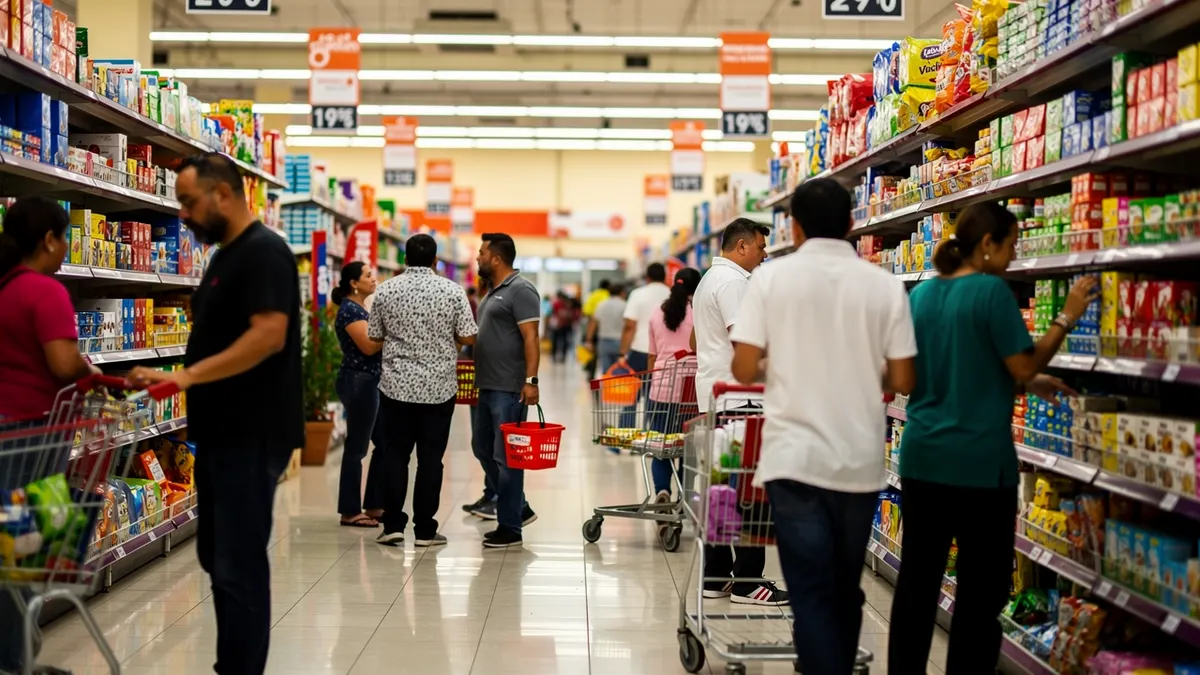
A significant share of purchases happens in store, including after seeing a video.
That changes two things. The video must say whether the offer also exists in store, which almost nobody specifies. And the content must exist in a format usable on point-of-sale screens, with their own constraints.
Add click and collect, which becomes the decisive argument in the final days, when delivery no longer arrives in time.
Plan for reuse
That is what separates a profitable campaign from a seasonal expense.
Systematically ask for two versions of each video: the version with the offer, dated, which dies at the end of the event, and the neutral version with no price or date, which keeps working all year.
The extra cost is marginal, since it is the same shoot. The saving is real, because the second version feeds January's advertising, the product page and the following campaigns.
What is prepared before the order peak
| Lead time | What you close out | Why so early |
|---|---|---|
| Six weeks before | The shoots and the approvals | Diaries fill up |
| Three weeks before | The variants and the subtitles | Ad testing |
| The day before | The versions showing the price | Prices change at the last minute |
What sets a successful promotional video apart
It shows the product before announcing the discount. A video that opens on a percentage does not say what you are buying.
What is checked on every numeric claim
The end date, the conditions, the stock and the reference price: a discount announced with no verifiable basis exposes the brand.
What to measure
Two figures, and the second is the forgotten one.
Sales attributed to the campaign, obviously.
And the return rate after the event. An operation that sells a lot and sees a third of the products come back has not made money, it has moved it. The videos that are most honest about sizes, timescales and conditions are also the ones that bring that second figure down.
Sources
Checked on 4 September 2026. Thresholds and rates change: where this guide and the official source disagree, the official source is right.