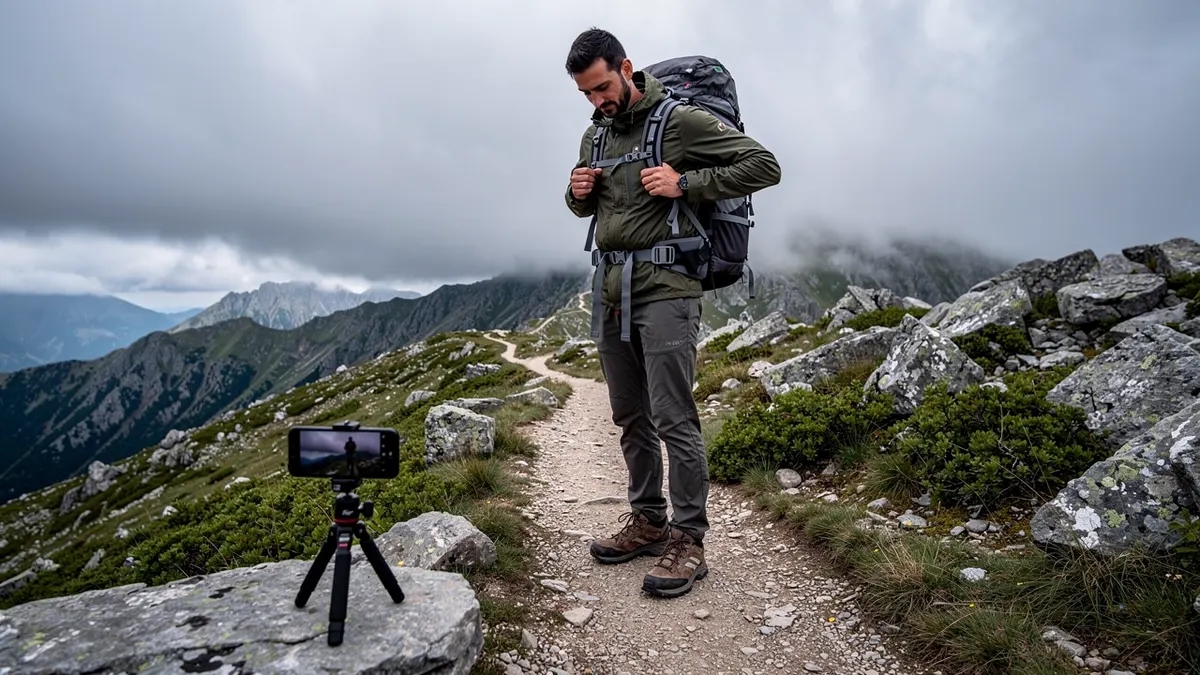
How to turn a creator video into a product listing, an advertising creative and a drop in returns, from one single shoot.
The four uses of one shoot
Four placements, all fed by the same session.
The product listing: the edited version, short, with no heavy music, answering the buying questions.
Paid advertising: two or three different hooks edited onto the same video body.
The message after ordering: an extract explaining use or care, sent at the right moment.
And the site or category page: a wide shot and a close-up of the material, looping, with no sound.
One consequence for ordering: ask the creator to shoot with those four uses in mind, rather than ordering four videos. The cost is almost identical, the result very different.
What really converts in online retail
Five elements, all factual.
The real dimensions, said and shown, compared with an everyday object.
The material in close-up, filmed in natural light, with no filter.
The product in use, in the context where it will really serve.
The answer to the most frequent objection about that reference, taken from customer-service questions.
And what is in the box, laid side by side.
One format that rarely converts: the atmospheric video with no information. It pleases, it does not sell, and it does nothing to reduce returns.
How to bring returns down
Three dominant causes, all treatable in video.
Size, treated by giving the person's measurements and the size worn.
The material, disappointing compared with retouched photos, treated by the honest close-up.
And the colour, varying by screen, treated by filming in daylight and saying so.
One simple, decisive measure: compare the return rate of the reference before and after the video goes live, over two full months. That is the only figure proving the video did its job.
How many pieces to buy
Three levels, according to the shop's stage.
One single video per priority reference, for the twenty references making most of the revenue.
A batch of three videos per reference once paid advertising is in place, to have something to test.
And a quarterly rotation on the best sellers, to renew the hooks without reshooting.
One note on cost: the price per video falls sharply from a batch of three onwards, because travel, setting up and shipping the product are paid for only once.
What is most often missing from a product page
| Gap | What the video adds | Expected effect |
|---|---|---|
| Scale | The object held in hand | Fewer returns |
| Material | A close-up on the touch | Fewer questions |
| Assembly or setup | The gesture filmed in full | Fewer abandoned carts |
What you shoot for a whole catalogue
One set, one frame, a ten-second shot per reference. Thirty products fit in a day when nothing changes between takes.
What is checked before going live
The file name, the linked reference, the orientation, the weight, and that the first frame is neither black nor blurred.
The Spanish calendar
Four moments structure the commercial year.
The sales, whose periods concentrate a large share of turnover.
The September return, a moment of rational buying.
The end-of-year festivities, for which content is delivered in early November.
And summer, when buying behaviour moves outdoors, to coolness and holidays.
One arrangement that works: order spring videos in February and autumn ones in July. The offset looks absurd until the day it saves you from hunting for an available creator in high season.
One last marker, valid for any shop: the most profitable video is almost never the most watched. It is the one answering the question asked thirty times to customer service, and which, for that reason, brings a return rate down without anybody noticing it.