Schools, universities and online courses sell an outcome that cannot be filmed. Here is what makes a family enrol.
The student is more credible than the institution
That is the basic rule of the category, and it comes down to one thing: nobody believes an institution describing itself.
Three formats that work, all carried by students.
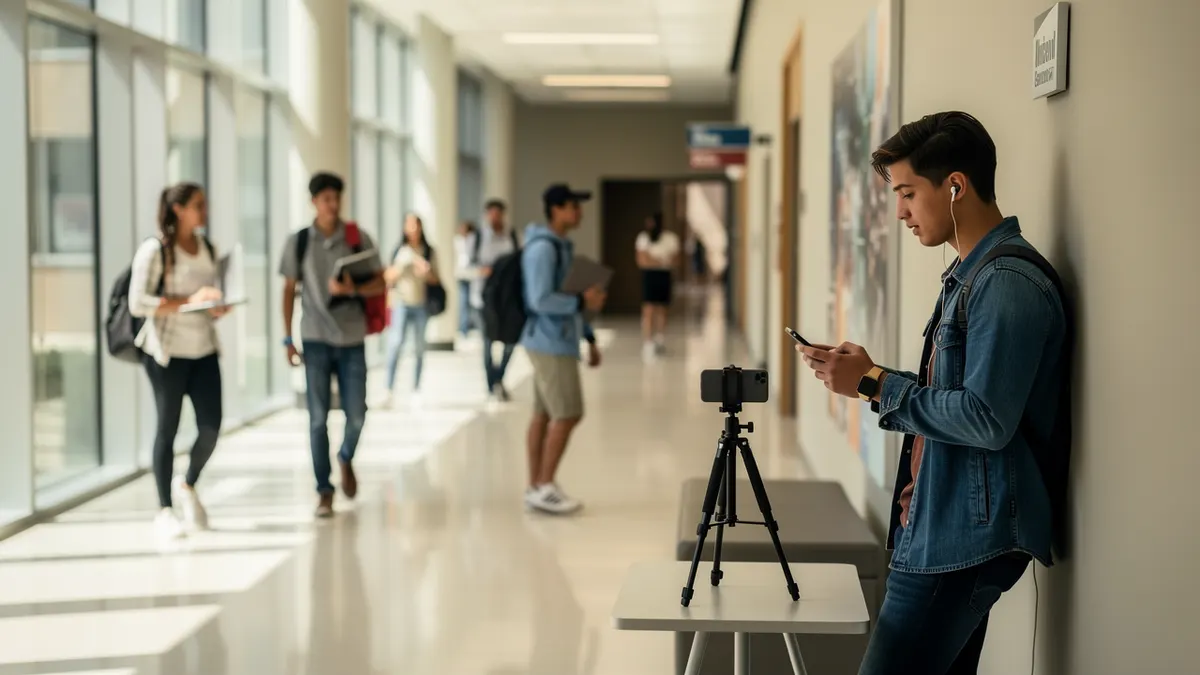
The real day, filmed without preparation: the wake-up time, the journey, the room, the canteen, the return.
The answer to the question nobody dares ask: the level required, the workload, what is hard.
And the end-of-first-year account, more useful than the first-week one.
One production rule: film several profiles, not only the best student. A family recognising its child in the video listens to the rest.
The parent is often the buyer
That is what makes the message double, and it is done badly almost everywhere.
The pupil watches life on site, the atmosphere, the other pupils.
The parent watches the total cost, the safety of the journey, the outcome and the seriousness of the supervision.
Two different videos are worth more than one average video. And the video for the parent must contain the figures they are looking for: the registration, the monthly fee, the materials, what is included and what is not.
Online courses need the interface
That is the sector's blind spot.
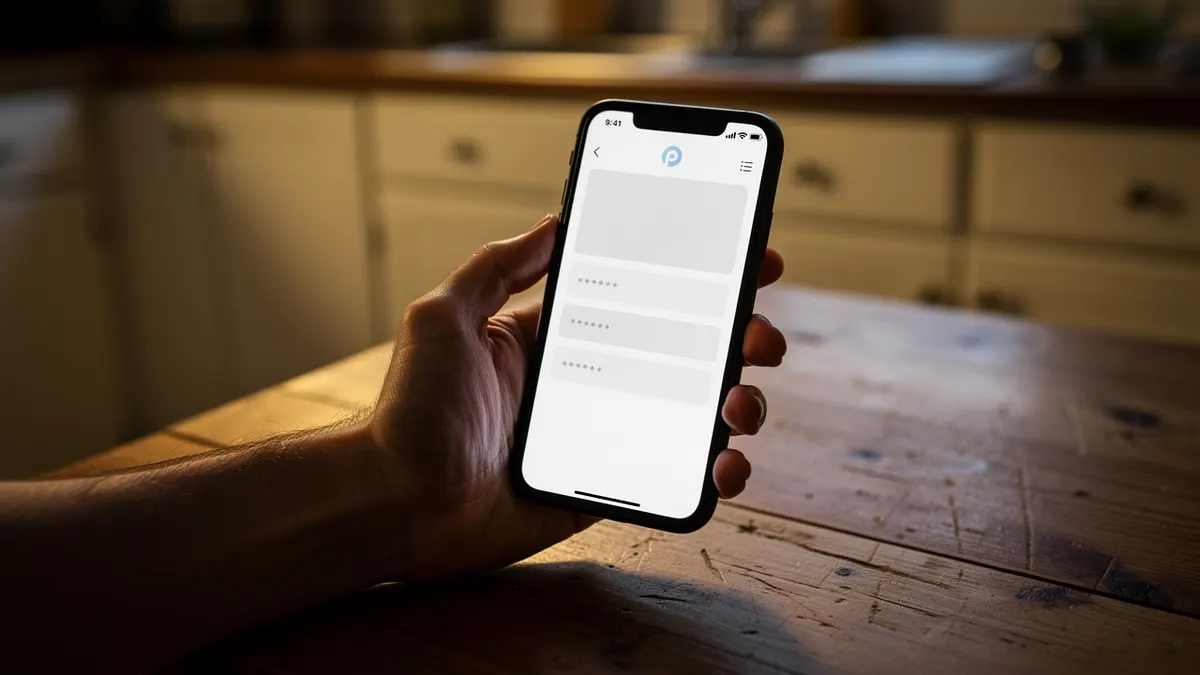
Online training sells on what you see on screen once you have paid, and that is exactly what sales pages hide.
Four shots to film. The dashboard after logging in. A lesson watched in full, not a three-second extract. How you ask a question and how long the answer takes. And what happens when you drop out for two weeks then come back.
Avoid promising results
That is the line not to cross, and it is simple to hold.
A creator can tell their own path and what they obtained. They promise no job, no salary, no admission, no grade.
Three formulations to ban: the hiring guarantee, the income figure presented as normal, and the comparison with a named institution.
The rules applicable to advertising for training and to the official recognition of qualifications are checked with the competent authorities before publication, and any mention of official validation must be exact.
What is filmed in an institution
| Subject | What it shows | Permission needed |
|---|---|---|
| The premises | The real environment | The management |
| A class | The teaching method | The teacher and the students |
| A testimonial | A former student's path | The person themselves |
What is prepared before the visit
A slot outside class hours, the list of accessible rooms, an escort, and written consent collected, including from parents for any minor.
What is said with caution
A success rate, a job promise, an equivalence or a funding arrangement. Every figure is proven by an official document, to be confirmed with the management and a lawyer.
The calendar commands everything
Two seasons decide the year.
The big one, before the August start, is prepared from May: families compare early, and the content must exist before enrolment.
The second, in January, serves mid-year entries and short courses.
One production consequence: shoot while the students are there, not during the holidays. An empty campus filmed in July shows, and it says exactly the opposite of what you wanted to show.
Sources
Checked on 27 August 2026. Thresholds and rates change: where this guide and the official source disagree, the official source is right.