Everybody uses these tools, and almost nobody trusts them blindly. It is that contradiction that decides what has to be filmed.
The objection is trust, not function
In a country that has seen a great many financial promises come and go, caution is a reasonable reflex.
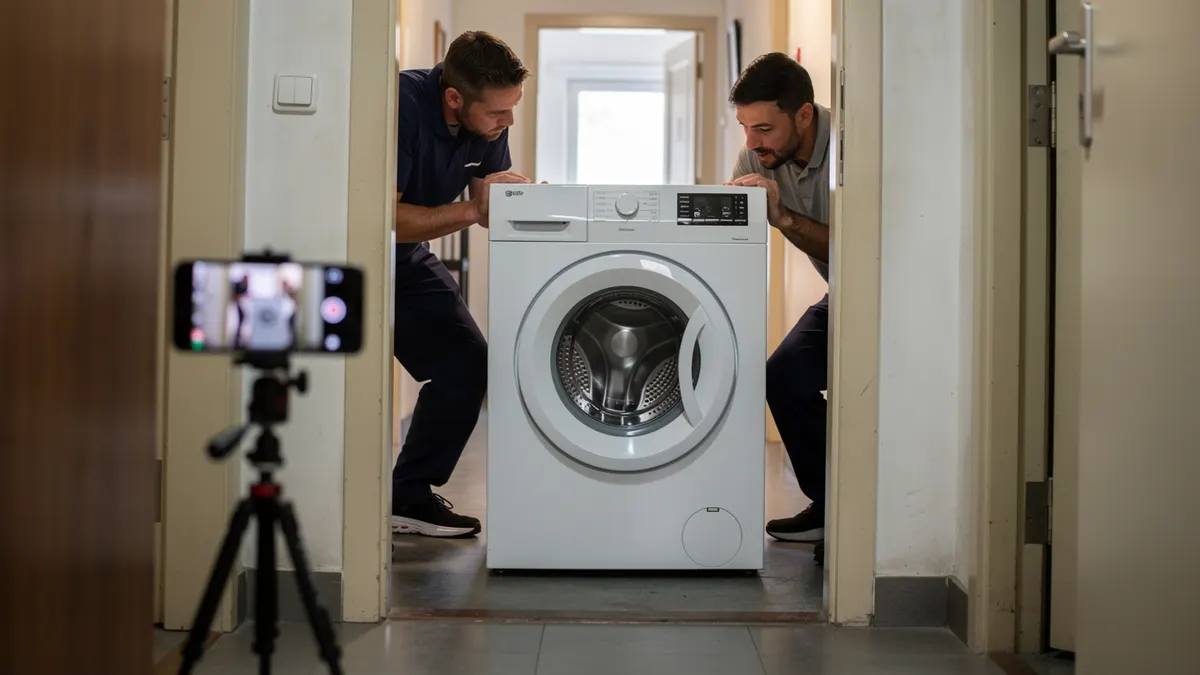
Your video must therefore not explain what the product does, but reduce a fear: that of losing access, of finding nobody, of being unable to prove anything. A real person, a calm tone, an ordinary setting have more effect than a rhythmic demonstration.
Advertising energy, here, looks like the very thing people mistrust.
What a creator cannot say
Promise a return, advise an investment, compare financial products or present themselves as an authorised professional.
The rules applicable to communication and advertising in this sector, the compulsory statements and the authorisations required depend on the type of service and the entity: they are checked before the brief is written, against the applicable rules and with the competent authority, with a lawyer in case of doubt.
Write into the brief the list of forbidden wordings, not only the list of points to make.
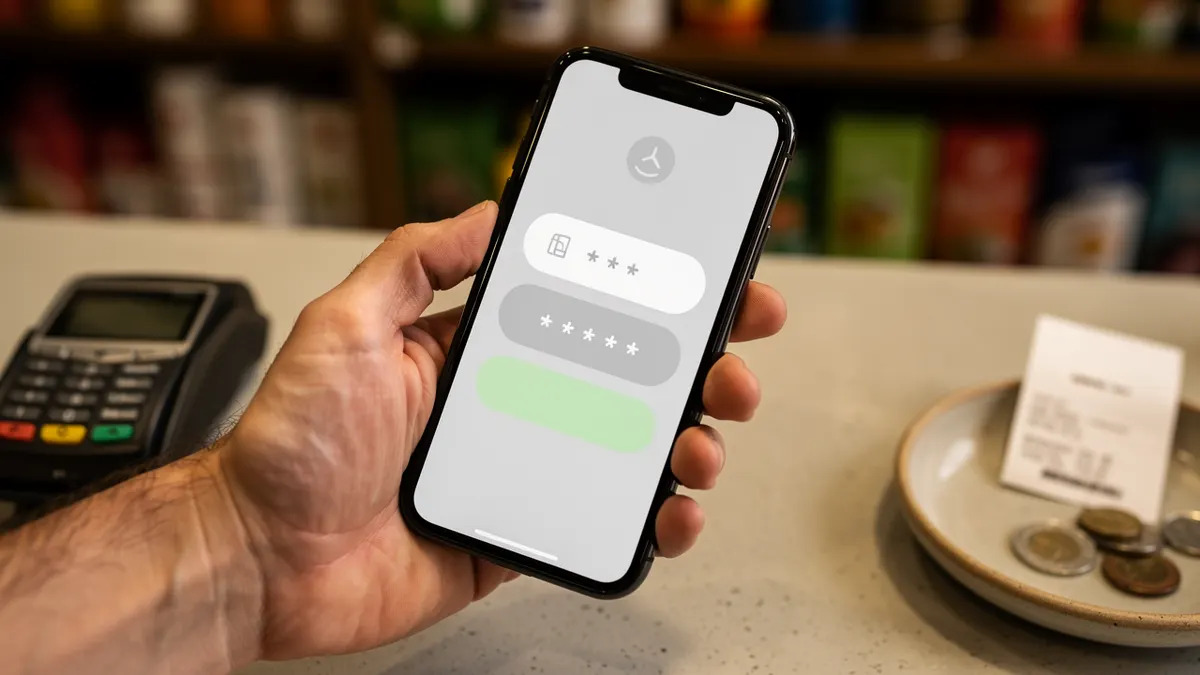
Showing the screen without showing the data
With a demonstration account and fabricated data.
No real balance, no name, no number, no genuine operation, no notification during the take. A dedicated device, in flight mode, prepared by the product team.
Film the journey, not the figures: what has to be seen is navigation, never a personal situation.
The use cases that move people
The most mundane, not the most impressive.
Paying somebody you do not know without giving your details. Setting aside the month's money. Sending money to somebody in another city. Receiving a payment from a client. Finding an operation from three months ago.
Those scenes are filmed in thirty seconds and speak to everybody, whereas advanced features speak only to the already convinced.
Customer service is part of the product
It is the category's strongest argument and the least used.
Say who answers, on which channel, at what hours, and how quickly. Show it if you can. A brand that films its own support takes a risk, and it is precisely that risk which makes it credible.
The tone that works
Sober, precise, without superlatives.
Figures are said once, promises never. An honest sentence about what the product does not do is worth more than one more argument, because it makes everything else credible.
What a financial company orders
| The buyer | Their typical order | Their condition |
|---|---|---|
| A payment app | The sign-up journey | Fictional data only |
| An exchange or savings service | Explaining how it works | A script approved internally |
| A lending platform | The terms explained | Mandatory wording reproduced |
What must appear in the video itself
The advertising nature and the wording required by the applicable regulation. Adding them in the edit rather than afterwards avoids reworking a video already approved on substance.
What a creator cannot take on
Financial advice. Describing a feature, yes; recommending a product, no. The line is drawn in the brief, and it protects the creator as much as the company ordering.
What to measure
Not the installs.
The proportion of people who complete a first operation, those who come back the following week, and the fall in support questions on the points your videos cover. An install with no use is worth nothing in this category.