Why food video converts differently, what to film, and the nutrition communication rules to respect.
What really converts
Four sequences, in decreasing effectiveness.
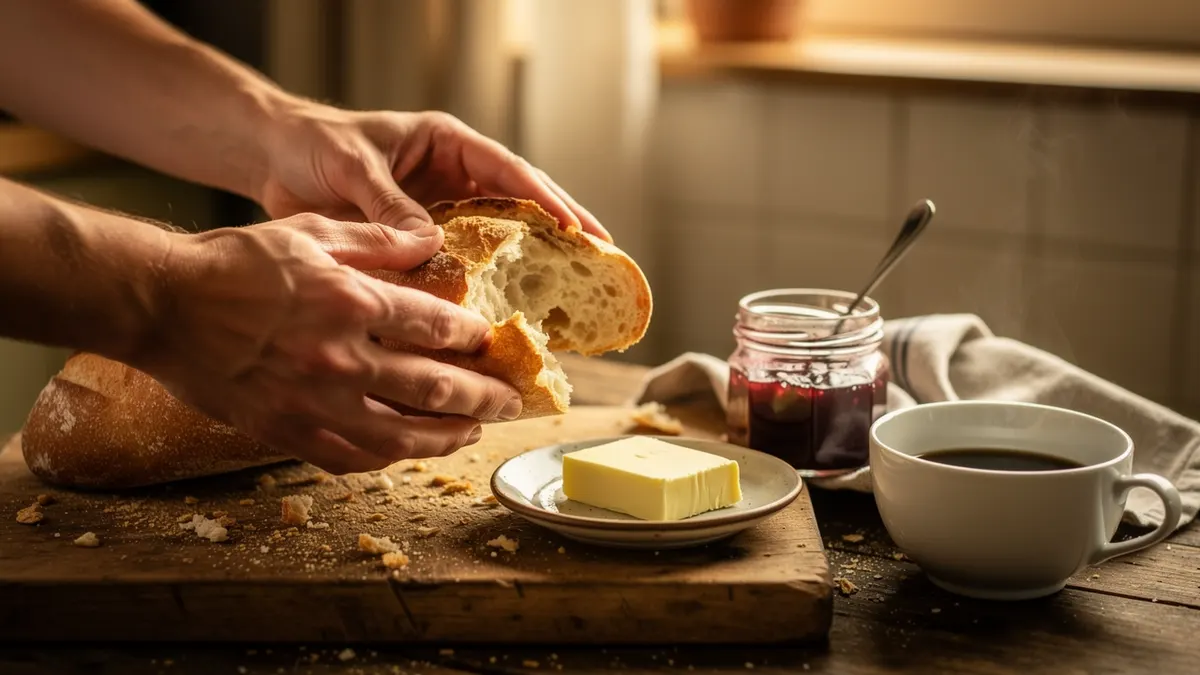
The real gesture: opening, pouring, cutting, tasting, in real time and with no speeding up.
The texture in close-up, filmed in natural light: that is what a photo never conveys.
The context of consumption: the time of day, the table, what goes with the product.
And the real quantity: what the pack contains once open, compared with a known object.
One format that pleases without selling: the aesthetic shot in warm light, with no information. It looks like every image in the category.
The nutrition communication rules
Four families of claims to handle methodically.
Nutrition claims, which describe a composition and exist only under precise conditions.
Health claims, which link a food to an effect, and whose wording is regulated.
The mandatory statements accompanying certain food communications.
And origin, labels and quality marks, which have a legal definition and cannot be paraphrased.
One arrangement that protects: have the complete script approved, sentence by sentence, before the shoot, by a lawyer used to the sector. That is the only step preventing the loss of a whole production.
What the creator can say freely
Three registers, all effective and free of risk.
The sensory experience: what they see, smell, hear, and what it reminds them of.
The practical use: how they prepare it, with what, in how long, what they do with it the next day.
And honesty: what they do not like, what takes getting used to, what they expected.
One constant observation: those three registers convert better than any nutrition claim, because they answer the buyer's real question, whether they will like it.
Which creators to hire
Three criteria, in this order.
A real, used kitchen: an immaculate empty kitchen creates doubt.
The ability to film with one hand while cooking with the other, which is the main technical constraint.
And the ability to follow a constrained script without reciting it: in this category, freedom concerns the tone, not the sensitive sentences.
One criterion not to overweight: culinary talent. A recipe that is too virtuosic pushes the viewer away instead of making them want to try.
The brief producing good material
Five instructions are enough.
The product, its exact reference and the quantity used.
The list of permitted sentences, written out in full.
The list of prohibitions, including competing brands visible in the kitchen.
The required shots: opening, texture, quantity, context.
And the formats delivered, vertical and square, with burned-in subtitles.
One further, often forgotten instruction: ask for a version with no burned-in text, so the statements can be adapted per market if the product is exported.
What is filmed, and in what order
| Shot | What it shows | Shooting window |
|---|---|---|
| The sealed product | The format and the label | Unlimited |
| The preparation | The gesture and the texture | A few minutes |
| The first bite | The real reaction | One take only |
What is prepared before opening the pack
The background, the light, clean cutlery, a second unit of the product. Steam, melting and colour cannot be replayed once gone.
What is read on screen rather than spoken
The ingredient list, the allergens and the nutritional values. Filming the label avoids rephrasing, and a loose rephrasing becomes a claim, to be confirmed with a lawyer.
The French calendar
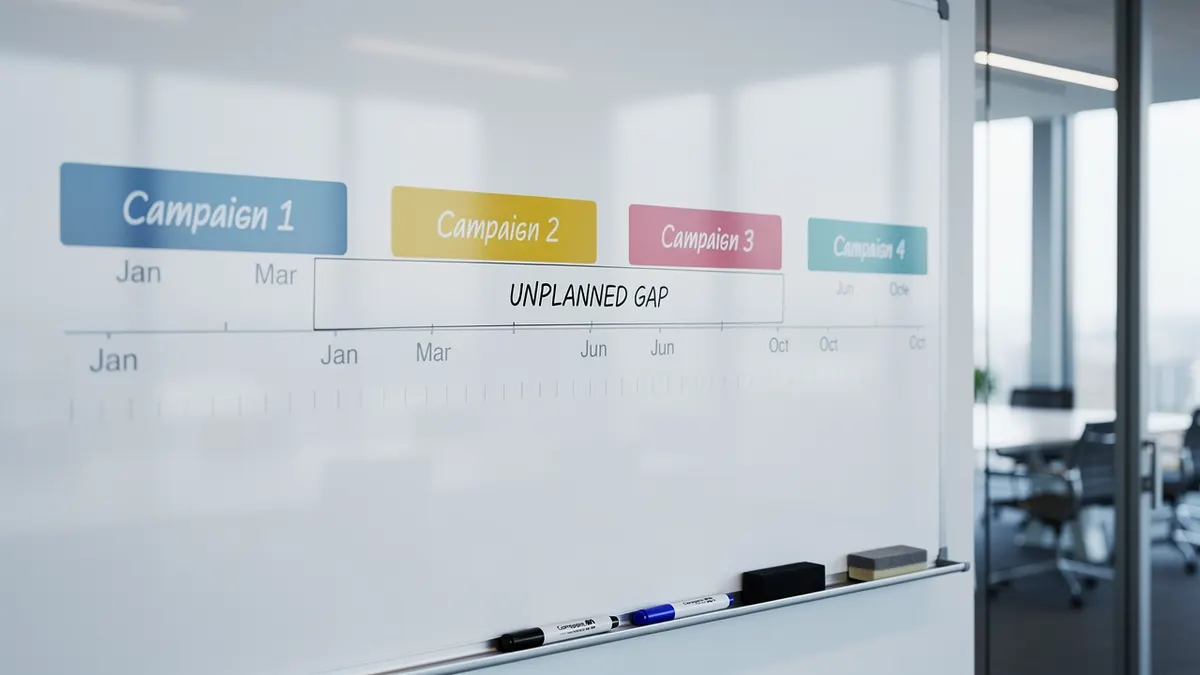
Four moments structure the year.
The September return, when weekday habits resume.
The end-of-year festivities, whose content is delivered in early November.
The start of the year, marked by intentions to change eating habits, where regulatory caution has to double.
And summer, which moves consumption outdoors, to the quick and the cold.
One economical practice: shoot two seasons in the same day when the product allows it, changing the table, the crockery and the light. The gain is immediate and the brand has a reserve when everybody is looking for an available creator.
One last marker, valid for the whole category: the most profitable food video is not the most appetising, it is the most reproducible. A preparation the viewer feels able to make that same evening sells the product twice, in the basket and then in the habit.