Everybody films the application. Almost nobody films the end of the day, and yet that is where the audience decides whether it believes the rest.
What really converts
Five sequences, in this order of effectiveness.
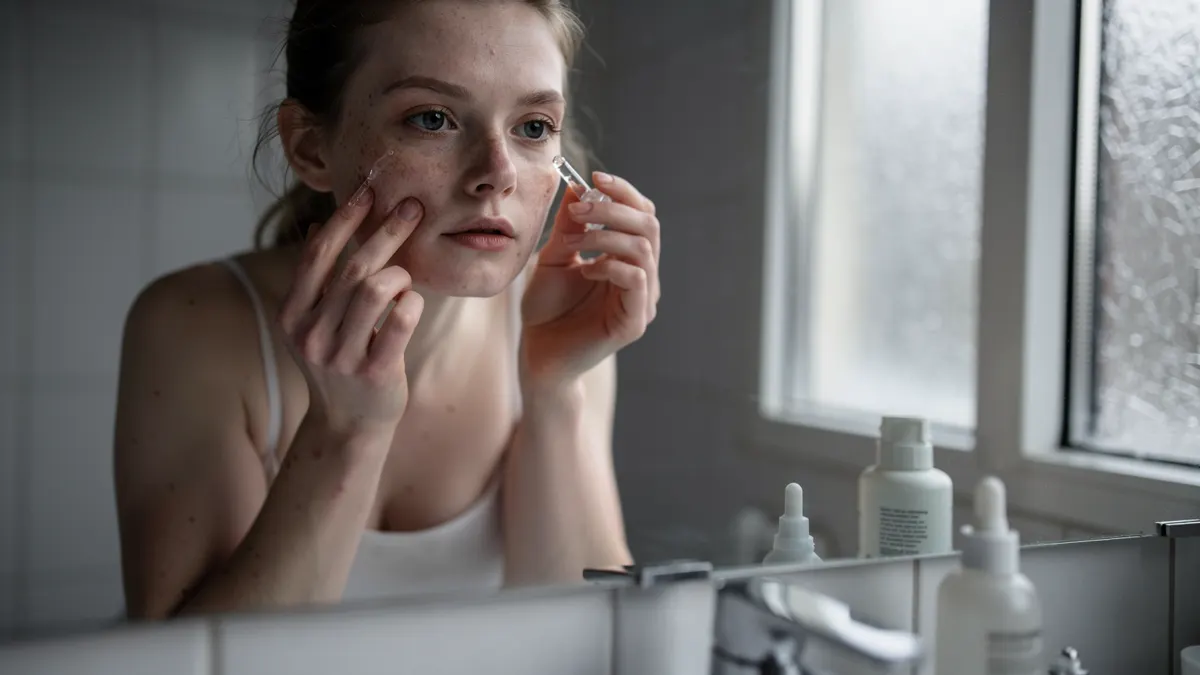
The texture in extreme close-up, filmed without music: the question no photograph settles.
The full routine, in the real order, with what the product replaces. A bathroom is already full.
The objection said out loud, the real one: the price, the time, the feel, the previous disappointment.
The shade, filmed in daylight and on several skin tones, because it is the leading cause of returns in the category.
And the end of the day, described above.
Transparency, handled from the brief onward
It is prepared; it cannot be caught up in the edit.
The obligations on indicating the commercial nature of the collaboration, their form and the moment they must appear depend on the channel and the agreement; they are checked with the competent authority and with a lawyer before going live.
The practical point: a disclosure planned at the shoot goes unnoticed, a disclosure added afterwards shows and damages the video. Write it into the brief, with its exact wording and its place.
Plan too for extracts rerun later as advertising: the disclosure has to remain valid in those versions.
What may not be claimed
This is where campaigns get stopped.
What may be said about a cosmetic product in terms of effect, composition, tolerance, comparison or environmental claim is regulated and depends on the product and the market. The usable wording comes from the brand's approved documentation, word for word, and the creator never rewords it.
So supply two lists in the brief: the authorised sentences and the forbidden words. It is quicker to write than to correct, and it avoids a complete reshoot.
One rule finally applies to the picture: what is shown promises as much as what is said. A shot filmed as a demonstration of a result is a claim, even without a word.
Which creators to hire
A real bathroom, unretouched skin.
Look at the place before the audience, and check three things: a steady hand in close-up, the ability to film in low light, and the absence of a filter. A visible filter destroys the credibility of the whole campaign, not just of the video.
What the camera must make legible
| Step | What you film | Trap |
|---|---|---|
| Before | The skin with no filter | Beauty mode |
| Applying | The real amount | A hand over the label |
| After | Same frame, same light | A lighting change |
What is prepared before the take
A cleaned bottle, the label facing the camera, a plain background, white balance locked for the whole series.
What gets approved
Every spoken line, the advertising disclosure and any claim, to be confirmed with a lawyer.
How many pieces to buy and when to shoot
Three pieces per product, plus four openings.
The routine, the texture on its own, the end of the day. The four openings allow a tired advert to be revived with no new shoot, which is the most profitable spending in the category.
On the French calendar: September restarts skincare, winter brings repair, spring preparation, and December concentrates make-up and gift sets. Shoot a season ahead, the end-of-day sequence being filmable at any time.
Sources
Checked on 4 September 2026. Thresholds and rates change: where this guide and the official source disagree, the official source is right.