Here fashion is judged on fabric and cut, by an audience that knows how to look at a garment. That is a constraint, and above all an advantage for brands that manufacture.
Manufacturing is the content nobody else can produce
That is the asset specific to this market.
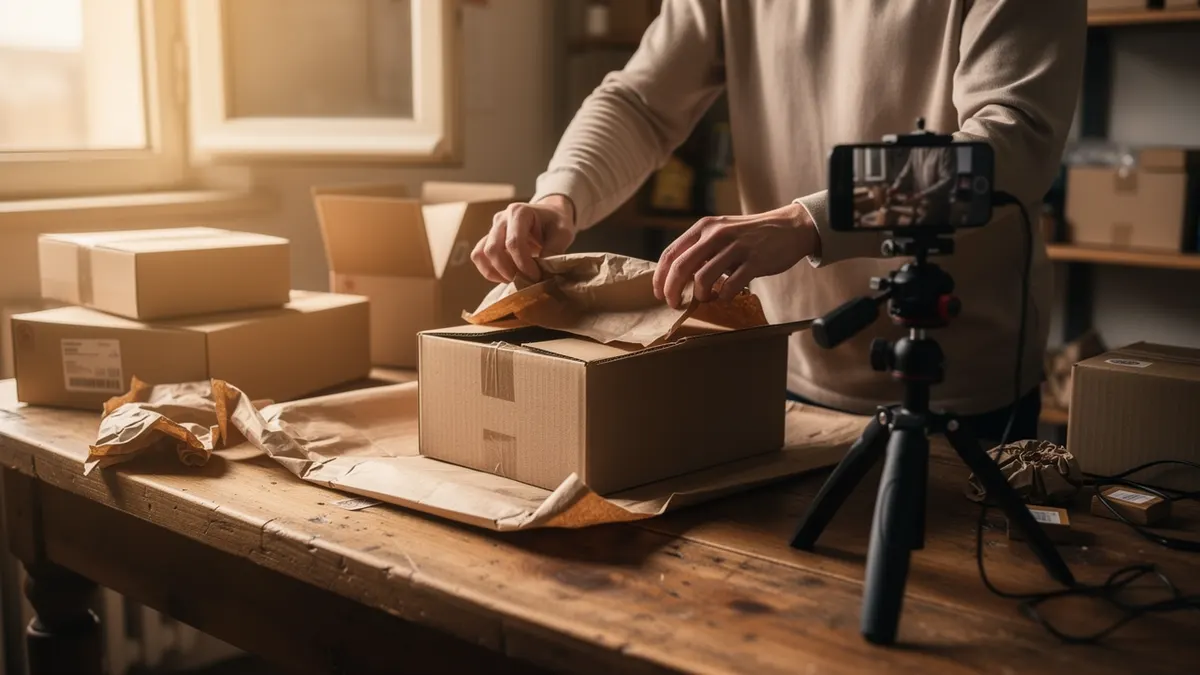
A workshop, a pattern laid on a table, a machine, a hand sewing, a piece taking shape: those are images no brand importing its products can show.
They serve three times: on the brand's account, on the product pages, and with foreign resellers, who buy precisely that story.
Film them out of season, when the workshop is not at its peak, and keep them: they do not expire.
What a fashion video must show
Five elements, all concrete.
The fabric close up, in movement, with the light passing through it or catching on it.
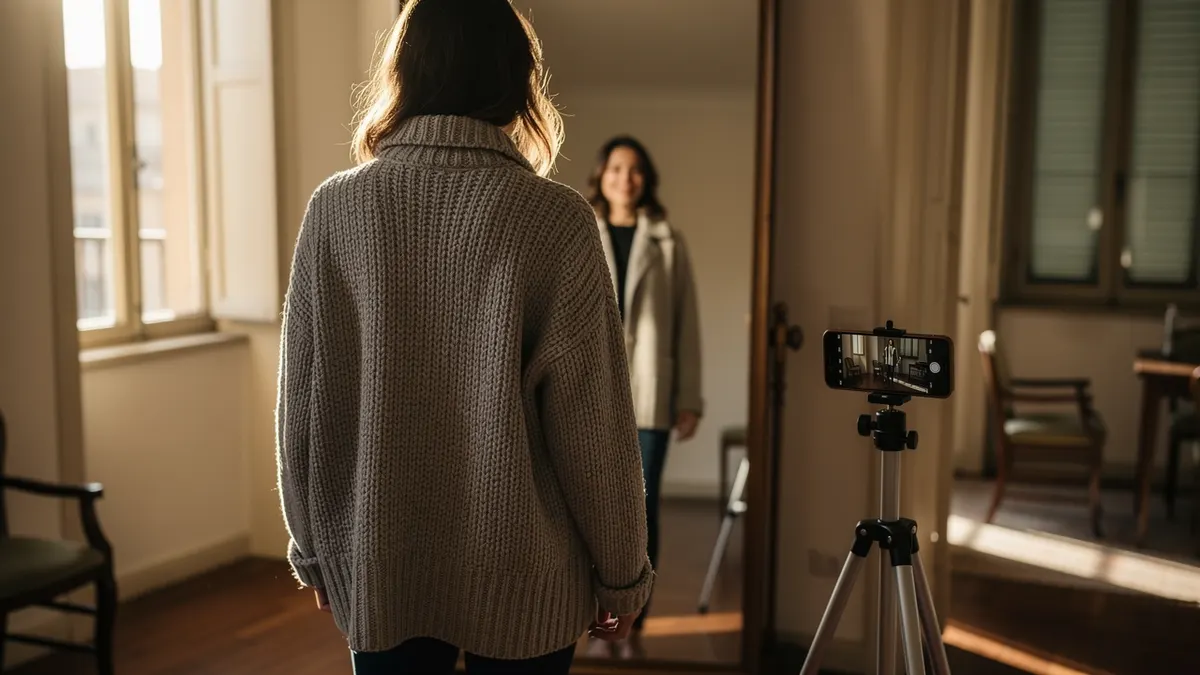
The cut on a person who moves: walking, sitting, raising their arms, picking up a bag.
The size worn, said out loud with the person's measurements.
The drape of the fabric, filmed in one continuous take.
And the care: washing, ironing, storing, which becomes a question as soon as the price rises.
Where campaigns fail
Three mistakes, always the same.
The fast edit over music, where neither the fabric nor the cut can be seen: it is an atmosphere video, it sells nothing.
The single casting, with one body type: the audience does not project itself, and returns rise.
And the absence of the size worn, which is the most requested information in the comments across the whole category.
The calendar
It is offset from the usual commercial calendar.
Collections are prepared long in advance, and the content must exist before arrival in store, not after.
Two practical windows. Manufacturing content is shot out of season. Product content is shot as soon as the pieces exist, even if they are not yet on sale.
Add the sale periods, which are regulated, where price and discount mentions follow precise rules checked before publication.
How many videos for a collection
The calculation is simple and rarely made.
A flagship piece deserves three videos: the fabric, the wearing, the care.
A secondary piece deserves one, shot the same day.
And the whole collection deserves one manufacturing video, which will serve for the next one too.
So group the production: one shooting day, ten pieces, three different people, and the editing is then done in batches.
What the buyer wants to see before ordering
| Doubt | The shot that answers it | What must be said |
|---|---|---|
| The real cut | A full turn, without posing | The size worn and the body shape |
| The fabric | A close-up in movement | The material and the drape |
| The colour | A take near a window | The gap with the website photo |
What is prepared before trying on
A neutral background, side light, a mirror out of frame and two sizes if possible. A video comparing two sizes answers the first question asked in the comments.
What is never retouched
The silhouette. An undisclosed alteration misleads the buyer about the garment itself, and what the return reveals costs more than the video earned.
What to ask for beyond the edit
Four deliverables, written into the order.
The rushes, or at least a master with no burnt-in text and no music.
A vertical version and a square version, from the same takes.
The isolated fabric shots, with nobody in frame, which will serve for listings and for advertising.
And long rights. A manufacturing video stays usable for years; a one-year licence forces it to be pulled just as it has finished doing its work.
Finally check the mentions applicable to composition, origin and care, which come under precise rules and are checked with the brand before going live.