Most videos in this category show a bright flat, a pedigree dog lying on a rug, and a product placed beside it. That does not resemble the life of most animals in the country.
Here, many animals were adopted, are medium-sized and of no particular breed, and spend a large part of the day outdoors, between the yard, the street and the garden.
Filming the animal's real life
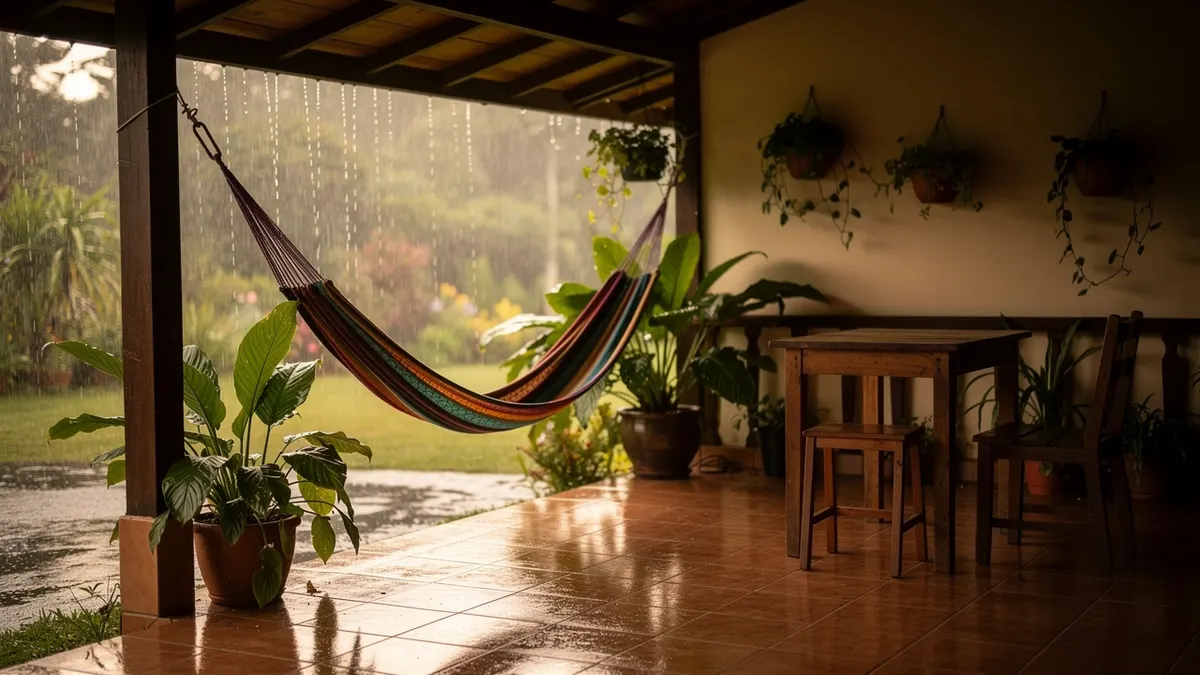
That means filming mud, wet grass, the yard floor, the afternoon rain.
A harness is judged when it is soaked. A bowl is judged when it has been outside for a week. A toy is judged when it has been chewed, dragged, forgotten under a tree.
Those are the shots that make an owner recognise themselves. They are also the easiest to obtain, since they simply require not cleaning up before filming.
What the climate imposes
Humidity and rain decide almost everything. A product that takes two days to dry becomes a product that smells, and it ends up at the back of the garage.
Heat changes the schedule: you go out early and late in the afternoon, not at midday. A walk video shot in full sun shows something nobody does.
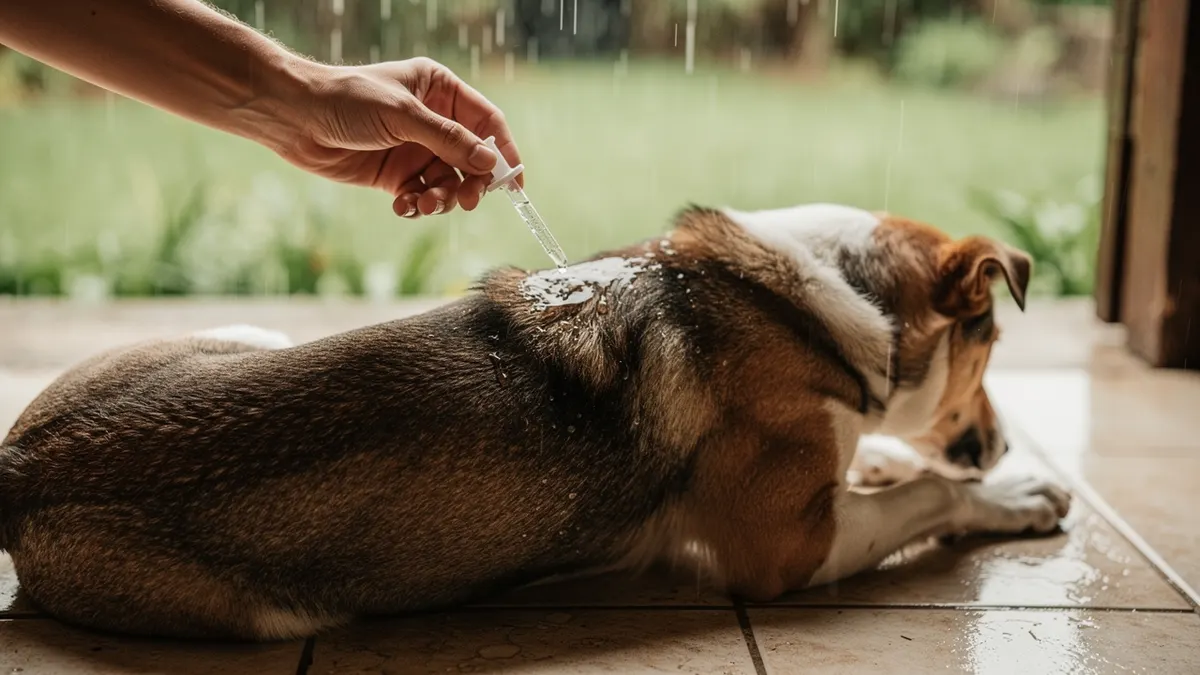
And there are parasites, part of daily life. It is a subject where much is said and little may be claimed: a video can show a routine, it must not announce a protection or an effect. On anything concerning the animal's health the vet remains the reference, and it is better to say so in the video than to imply it.
Adoption changes the story
Many households took in an animal, sometimes adult, sometimes injured. That creates a relationship different from a purchase, and a different tone.
A brand ignoring it speaks past its audience. A brand acknowledging it wins immediate agreement, provided it does not turn that into a selling point: the story belongs to the person, not to the product.
In practice, let the creator tell how the animal arrived if it comes naturally, and do not write it into the brief.
Which creators to hire
Those whose animal matches your product, not merely a photogenic one. A harness for a large dog filmed on a small one proves nothing.
Those who live in your customers' actual setup: a house with a yard, a flat with a balcony, an area where it rains every day for months.
And those willing to film over time. In this category, one piece shot at three weeks beats three pieces shot on the first day.
What does not work
Staged scenes where the animal does exactly the right thing at the right moment. Everyone knows it does not happen like that, and the implausibility destroys trust.
Silent shots over music. The sound of an animal, its claws on the floor, its breathing, is what makes the scene credible.
And the voice explaining over the action instead of letting it unfold.
What can be filmed depending on the animal
| Animal | Useful window | What helps |
|---|---|---|
| Dog | 10 to 15 min | A walk beforehand |
| Cat | 5 to 8 min | A familiar spot |
| Small animal | 5 min | A known hand in frame |
What is prepared before the session
The floor cleaned, treats out of frame, a second person to hold, a clear way out.
What stops a shoot
An animal panting, hiding or refusing twice: you stop and come back another day.
The calendar
The rainy season shifts every need: drying, mud, smells, shorter walks. Shoot that content while it is raining, it cannot be caught up later.
The dry season shifts the others: water, heat, longer outings, protection on burning ground.
Two periods, two sets of content. A brand publishing the same videos all year speaks for six months out of twelve to people living something else.