Before and after, humidity and life outdoors, and how to brief creators whose home looks like your customers'.
What really converts
Five contents, in decreasing effectiveness.
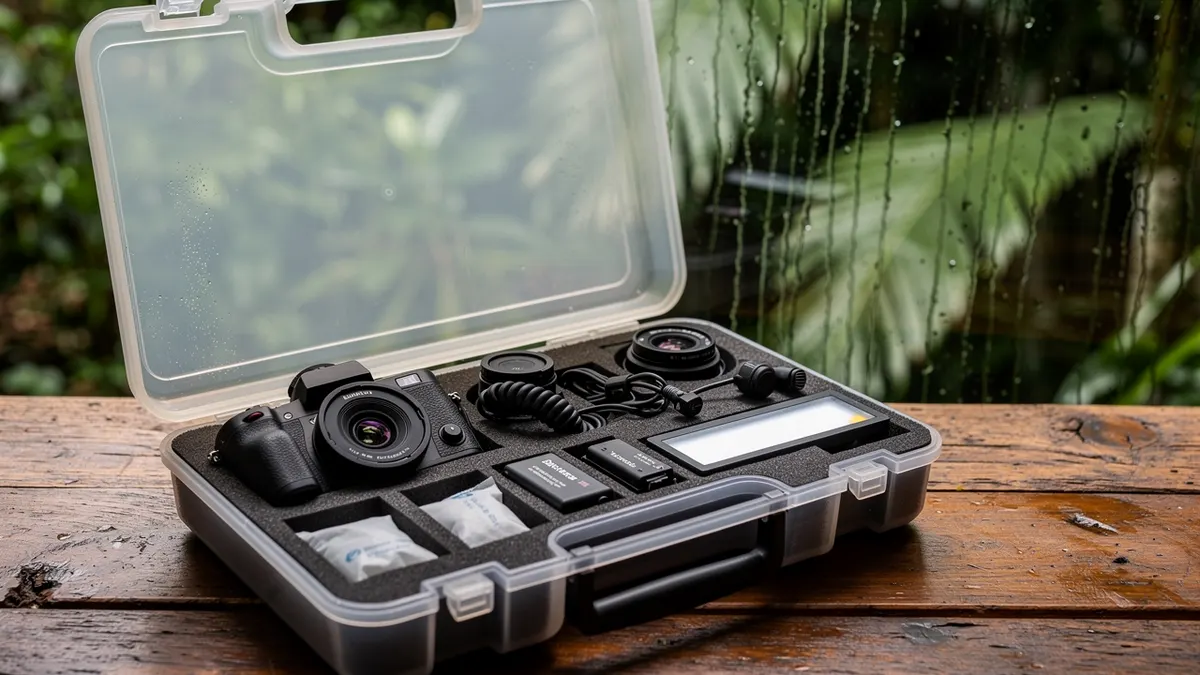
The demonstration of closing and protection, dealt with above.
The object after a rainy season, with what has gone mouldy, rusted or swollen, and what has not.
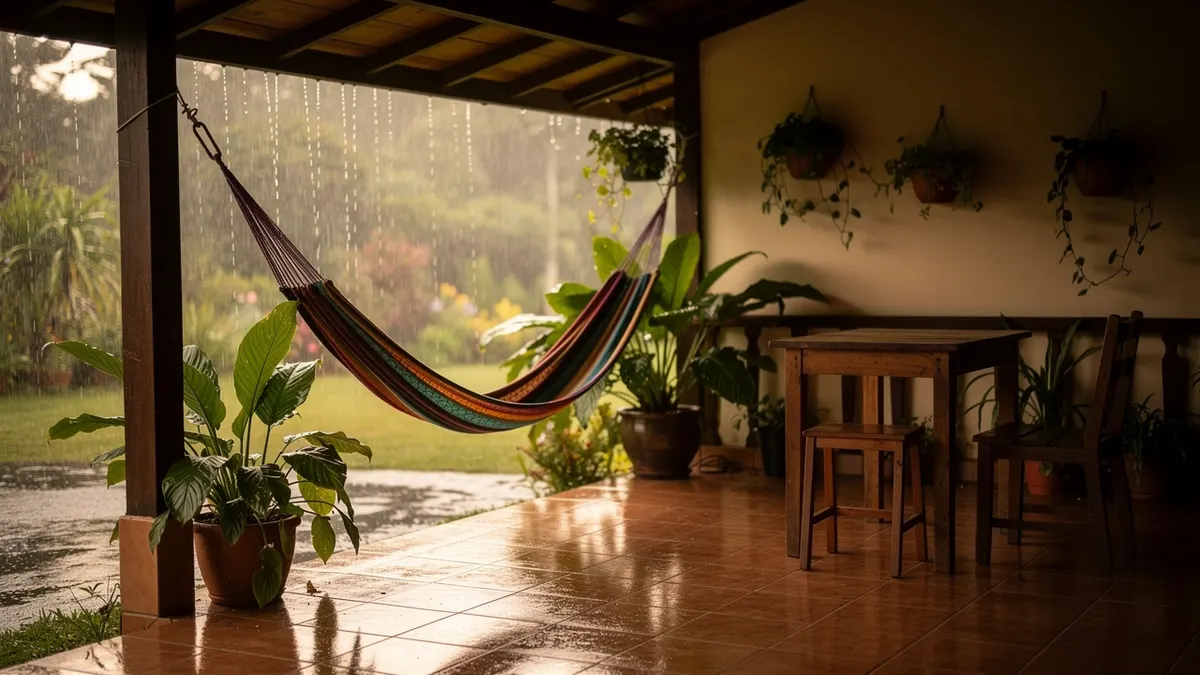
Use on the terrace, a space that is part of the home and that nobody films as such.
Storage in a home with no built-in cupboards, a frequent and little-covered constraint.
And maintenance: what can be washed, what has to be replaced, how often.
Which creators to engage
Four profiles, with their uses.
The person whose home resembles that of the target audience, a criterion more important than style.
The tenant, whose constraints are the most widely shared.
The family, for everything concerning organisation and volume.
And the person settled in the same house for a long time, the only one able to show what an object becomes after two years.
One profile to set aside: the too-perfect interior, which resembles no real house and moves the message towards another audience.
The brief that produces good material
Seven points to write, on one page.
The dimensions to state out loud, with a known object in shot.
The closing shot, compulsory.
The outdoor use shot, under shelter and in full sun.
Behaviour in high humidity, to be shown or stated.
What must not be promised, notably regarding durability and resistance.
The exact advertising disclosure.
And the file naming, so the brand can find each shot again.
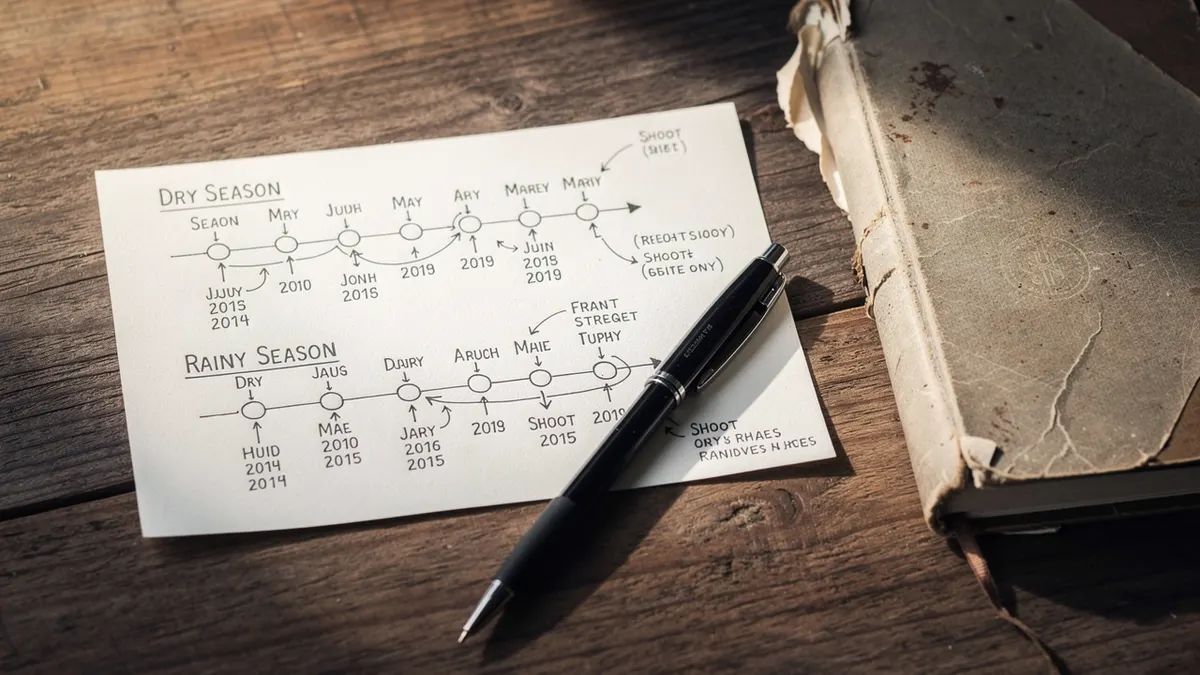
The Costa Rican calendar
Four periods, four needs.
The start of the dry season, the moment for tidying and outdoor arranging.
The dry season, when life happens outside and terrace furniture sells.
The start of the green season, a period of protection, storage and maintenance.
And the year's end, the moment of gatherings and gifts for the home.
One production consequence: shoot green-season content during the dry season only if it shows no weather conditions. Otherwise shoot it at the right moment, because simulated rain is spotted immediately.
What a household-object video shows
| Shot | The question it closes | Trick |
|---|---|---|
| The object in hand | Weight and grip | A bare hand, no ring |
| The object in place | How it fits the room | A wide shot held three seconds |
| The upkeep | The real cleaning | One gesture, no cut |
What is filmed with the local climate in mind
Humidity and heat mark materials. Showing the object after a few weeks of use is worth more than a flawless unboxing.
What is not promised
A resistance, a durability, a mould-proof treatment or a warranty. Each claim is read on the manufacturer's sheet and confirmed with them before release.
How many pieces to buy
Four volume markers, by use.
To test a category: three videos, three different creators, one single product.
For a product listing: two videos per item, one demonstration and one use.
For paid advertising: count several variants per angle, because a creative wears out.
And for a regular presence: four to six pieces a month are enough, provided they differ by format.
One note on cost: in this category the product sent often represents more than the creator's fee. It is therefore better to commission several videos from the same person, with the same product, than to ship ten parcels for ten isolated videos.
One last marker: the video that sells here is not the one showing a beautiful interior, it is the one proving that an object survives a climate that damages everything, and that it closes well enough to protect what is put inside it.