A creator starting out believes they have to choose a platform. That is a content creator's question, not a UGC creator's: here the brand does the publishing, and you deliver a file that has to hold wherever it lands.
What the word platform means for you
The difference fits in one sentence, and it changes everything else about the work.
The brand publishes, you deliver
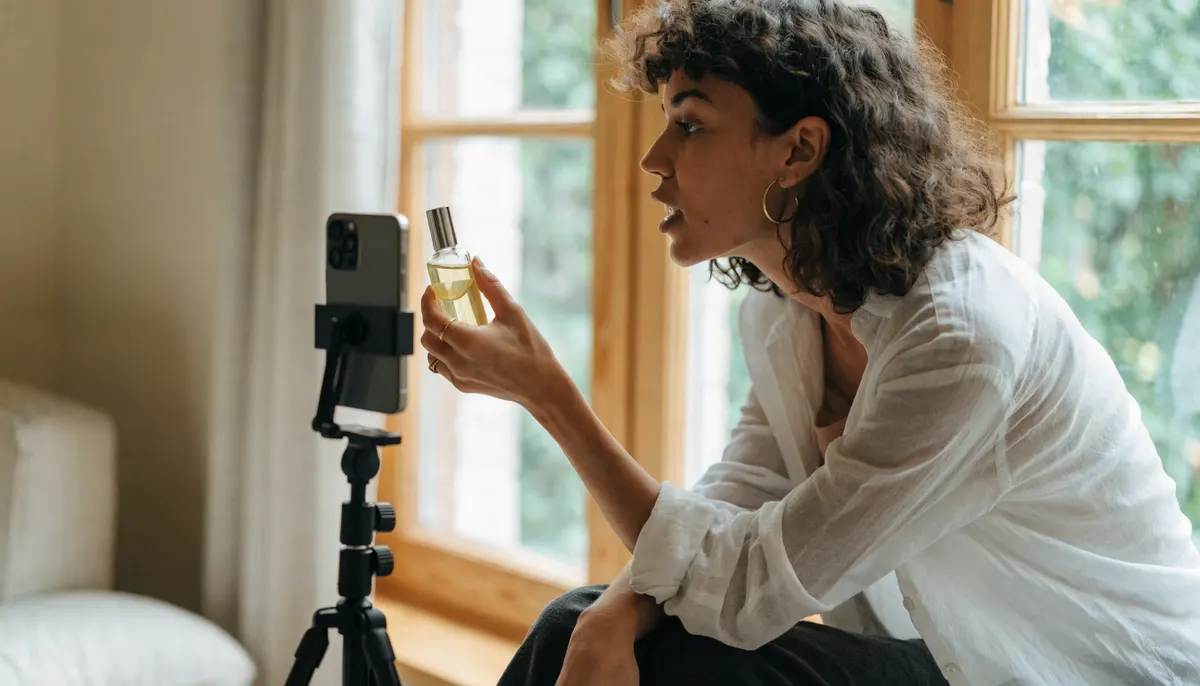
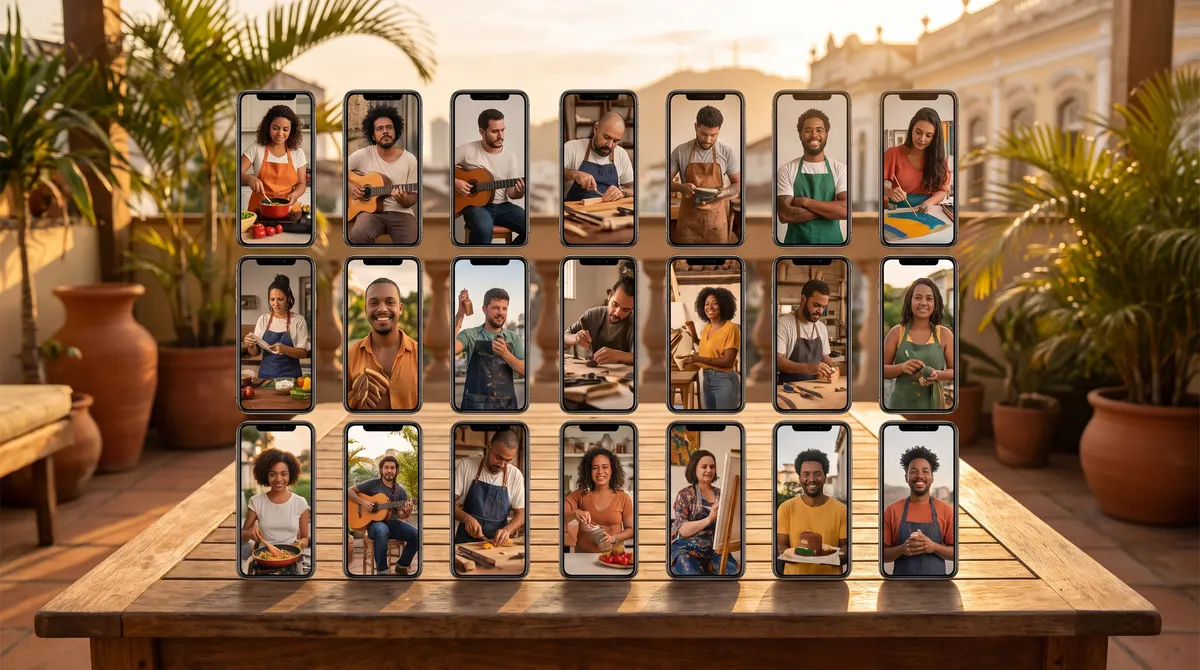
Your account is not a channel. It is evidence: the brand looks at how you frame, how you speak, how you cut. Then it buys a file and publishes it elsewhere, often on an account you will never see.
What that changes about your offer
You are not selling an audience, so you do not have to build one before your first order. You are selling a delivered format, and the format depends on the destination named in the brief.
Where Portuguese brands actually publish
The landscape is more concentrated than elsewhere in southern Europe, and it comes down to five destinations.
| Destination | What it demands of the file | What the brand is after |
|---|---|---|
| Reels and stories | Vertical, burned-in subtitles, a hook in three seconds | Reach on a broad audience |
| TikTok | Vertical, spoken tone, fast cutting | Cheap creative testing |
| Paid advertising | Several hooks over one edit | Volume of variants |
| Product page | Square or horizontal, no dated wording | Doubt removed before purchase |
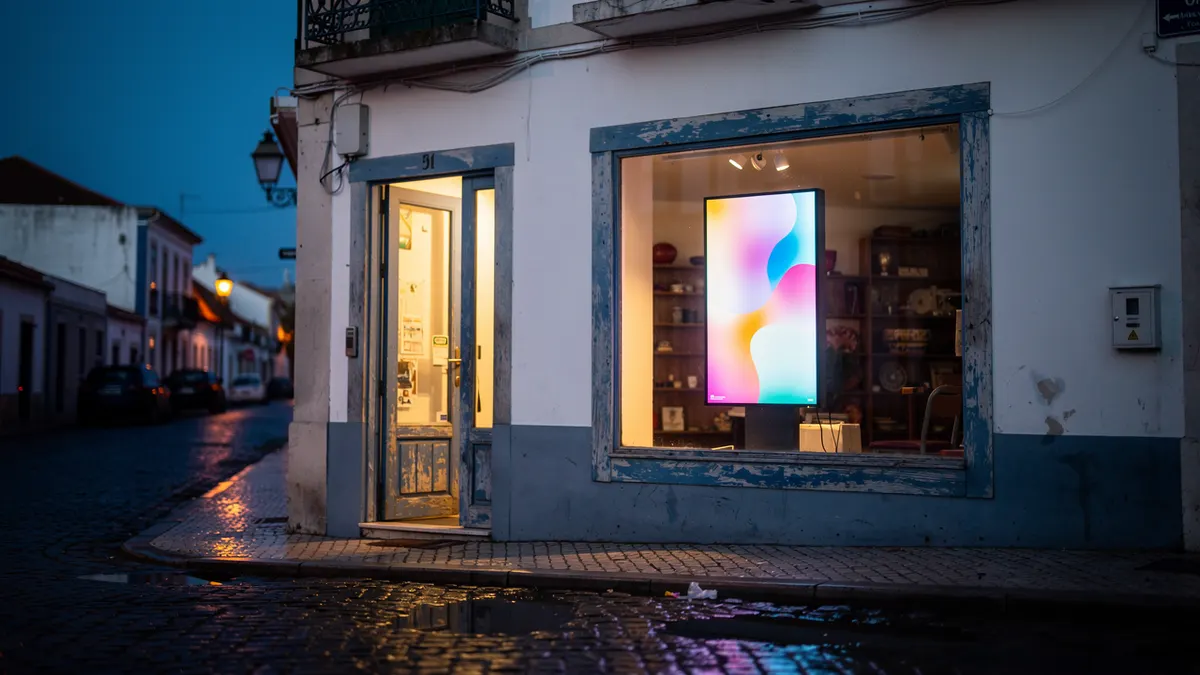
| In-store screen | Soundless, text readable from two metres | A reminder at the moment of choice |
The case of national retail platforms
Part of Portuguese commerce runs through chains that host their own product pages. Their constraints look like those of a large international marketplace: limited length, no competing logo, no price promise. The delivered file therefore has to stay neutral, or it serves once and never again.
What the destination changes about your edit
The shoot barely moves, the edit moves a lot. One shoot yields three deliverables if you frame for the crop from the start: leave air at the top and bottom, keep the product off the edge, and never put text where the interface sits.
Vertical is not a given everywhere
A product page often shows a square, an in-store screen a horizontal. Delivering vertical only forces the brand to recrop, and that recrop cuts either your face or the product.
The three questions to ask before filming
Where the video will run, for how long, and whether it will go into paid advertising. Those three answers decide the format, the price and the licence. An order accepted without them ends in a request for another version, and that version is never paid for.
What never changes from one destination to another
Three things survive any recrop and deserve all the care at the shoot: light, sound and the first three seconds. A well-exposed, well-recorded video recrops without damage, whereas a dark image or dirty audio stays dark and dirty in every format.
Why the microphone comes before the camera
That is why a creator starting out should buy a lapel mic before a lens: cropping forgives the frame, never the audio. A brand rarely refuses a slightly plain image, and almost always refuses an unusable sound track, because nothing in the edit can rescue it.