Real estate long bought video the way you buy a brochure: wide shots, music, drone. That format informs badly, because the viewer's question is never whether it is beautiful but whether they could live there.
In Argentina one structural fact further changes how to answer that: the way the purchase is financed.
Cash or rental, two very different audiences
Mortgage credit remains hard to access. A significant share of transactions is therefore settled in cash, and the rest of the market plays out in rentals.
Those two audiences do not watch the same video.
The cash buyer is committing savings built over years. They are slow, suspicious, and looking for what cannot be repaired: orientation, damp, the state of the pipes, the neighbours, what the area becomes at night. A video that glides over those points scares them off, because they assume something is being hidden.
The renter decides fast, often visiting several places in the same week. They want to know what is included, what works, and above all what the building charges amount to, since those weigh on the monthly budget as much as part of the rent.
What actually converts
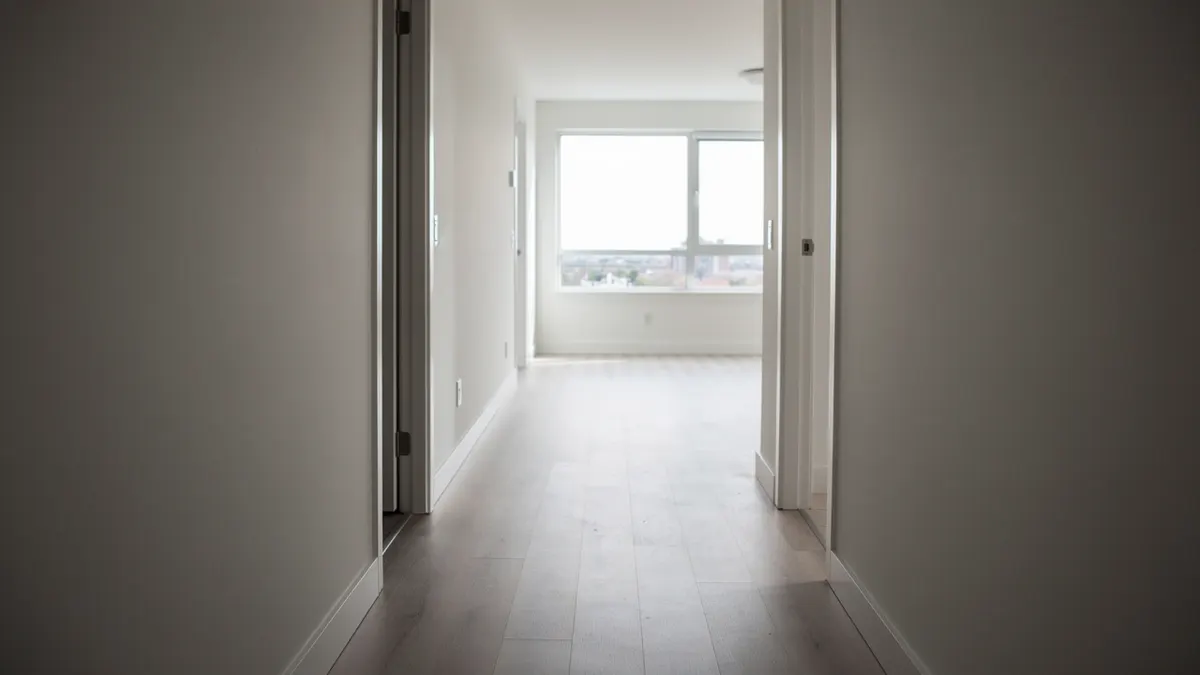
The walkthrough in one take, no cut. A continuous walk from the entrance to the back of the place. A cut suggests a room is being hidden, and the viewer feels it.
Light at a stated hour. Film while saying the time and the orientation. A room described as bright without proof is worth nothing; the same room filmed at four in the afternoon says more than a paragraph.
What is around, not only what is inside. The street, the walking distance to transport, the bakery on the corner. A home is lived in through its neighbourhood.
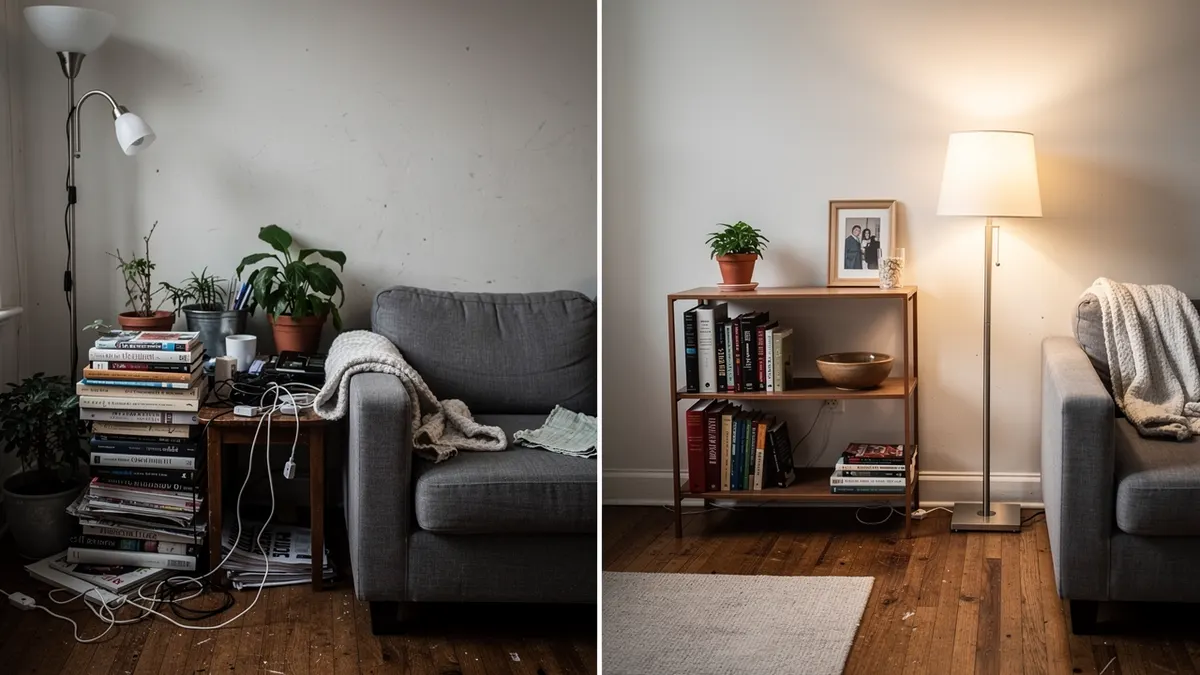
The flaws shown. The small room, the steep stairs, the view onto the opposite wall. A listing that shows a flaw gains credibility on everything else, and brings better prepared visitors.
The person who lives there. A resident telling what has changed for them since moving in is worth more than an agent describing square metres.
Which creator to hire
Someone who can hold a continuous shot and speak while walking. That is a precise technical skill, different from a product creator's, and it can be verified in ten seconds from one example.
Look too for a voice that sounds nothing like a pitch. In real estate more than anywhere, commercial enthusiasm triggers suspicion, because the viewer knows the sum at stake is the largest of their life.
The brief that produces usable material
Give the real floor area, the orientation, the floor level, what is included, what is not, the condition of what cannot be seen, and the list of what may not be claimed.
That last list matters particularly here: mentions of price, availability and terms change fast, and a video that burns them in becomes wrong before it has been used. Let the listing say them, never the image.
Finally ask for two versions: a long one for the property page, a short one for distribution. Those are two different uses and one shoot covers both.
What each shot must prove
| Shot | The question it closes | Useful length |
|---|---|---|
| Street and entrance | The area, the access, the noise | 10 to 15 s |
| Main room, two angles | The real floor area | 20 s |
| View from each window | Orientation, what faces it | 5 s per window |
What gets said out loud
The floor, whether there is a lift, the charges, the year of the building: whatever the camera cannot show gets named.
What makes a viewing fall through
A wide angle that inflates the room, added light that does not exist, a shot that cuts the kitchen in half.
The calendar
Movement concentrates around the March return to school, when families organise for the academic year, and again before the end of year holidays. The January summer slows everything down, which makes it the right period to produce the content that will be used afterwards.
Sources
Checked on 4 September 2026. Thresholds and rates change: where this guide and the official source disagree, the official source is right.