A viewing filmed in July shows a home nobody will live in during January. Yet here, half the year decides daily life in a house.
The rules follow the licence
That is the starting framework, and it cannot be worked around.
Advertising and communication relating to property transactions fall under precise rules depending on the province and the status of the person speaking. What a licence holder may say, a creator without one cannot say in their place.
Those rules are checked before the brief is written, with the competent authority and with a lawyer in case of doubt. They apply to the short format as to everything else.
What the creator can do
A great deal, as soon as you stop making them play a role that is not theirs.
Showing a neighbourhood: the real journeys, the shops, the school, the noise at seven in the morning, the parking, what is open on a Sunday. Recounting a lived experience of moving in. Explaining an administrative step in general terms, without advising anybody.
That neighbourhood content is the most sought-after and the least produced.
What must never be suggested
A value, a return, a negotiation, a preference about neighbours.
Statements about price, market movement or profitability belong to the professional framework. And anything that could steer according to personal characteristics is to be avoided absolutely: it falls under strict rules and is checked before the shoot.
When in doubt, film the place and keep the judgment to yourself.
Winter is the honest season
Many agencies avoid it; that is a commercial mistake.
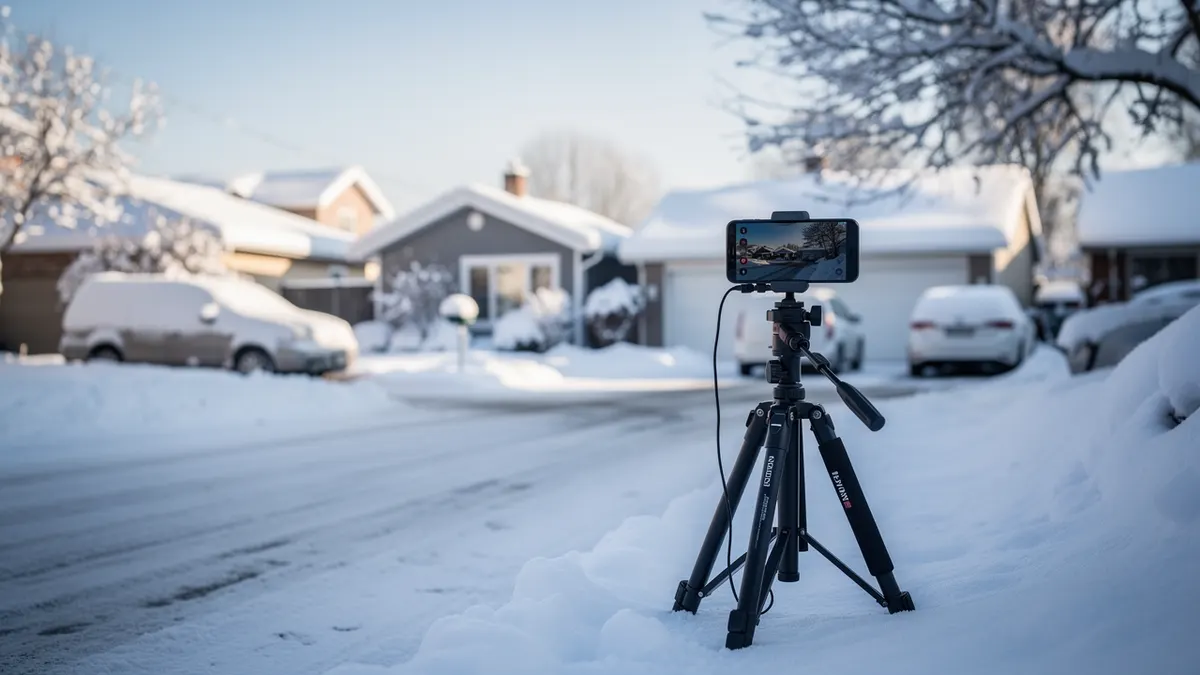
A buyer who sees the house under snow, with the drive cleared, the short light and the mist on the windows, knows what to expect and pictures it better. Somebody who only sees the summer discovers in February what was kept from them.
So shoot a winter series every year, even if you run it in June.
Bilingual in Quebec
Two shoots, not a dub.
The requirements about the language of communication depend on the province and the type of message, and they are checked before distribution. In this market, a French version shot by somebody from there is not an extra: it is the condition of being listened to.
What is never filmed
A legible house number, a number plate, a neighbour, an interior still occupied by its residents without written agreement, a document lying on a table.
Those elements become data you will then hold, and some allow a home or a person to be identified. Sweep the frame before the first take: one minute avoids a takedown request.
What this sector orders
| The buyer | Their typical order | What they require |
|---|---|---|
| A broker | A property viewing | No personal items visible |
| A developer | The district and the amenities | Exact wording on floor areas |
| A letting manager | Explaining a service | A neutral tone |
What to prepare before filming a home
Tidying and the occupants' consent. A family photo, a letter on a table or a name on a mailbox is enough to make the video unpublishable, and that check happens before shooting.
What is never said about a property
A rounded floor area, a rental yield, a promise of appreciation. Those figures belong to the professional and to official documents, and a video improvising them commits the seller far beyond its cost.
The real pace of this buyer
They search for months, not for a week.
So produce content that stays useful for a long time: neighbourhoods, steps, frequent mistakes, what people regret afterwards. Dated content about a specific property disappears with the sale, whereas neighbourhood content works for two years.