This market imposes a constraint few categories know: half of what you want to show exists only four months a year.
The terrace season is short and decided early
Bookings and habits are formed in the first weeks.
A campaign launched when the terrace is already full arrives too late: it pays for customers you would have had anyway. The useful moment is when people decide where they will go when the weather turns, that is to say beforehand.
Winter fills the rooms and the bags
It is not a dead season, it is a different one.
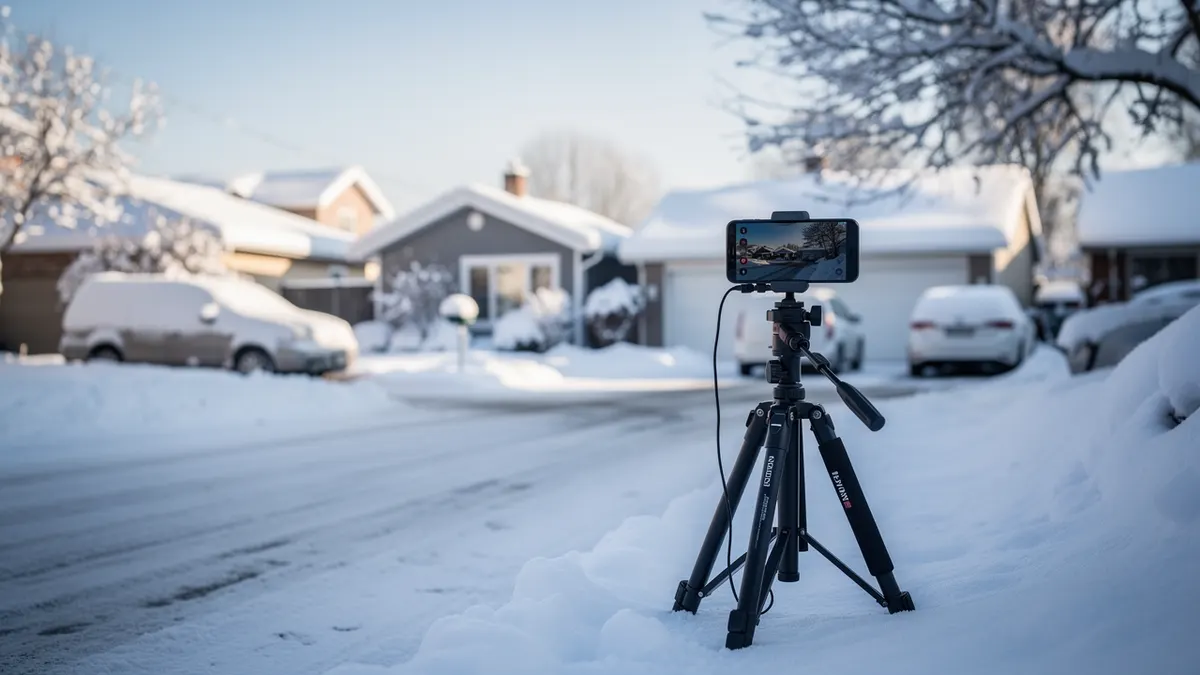
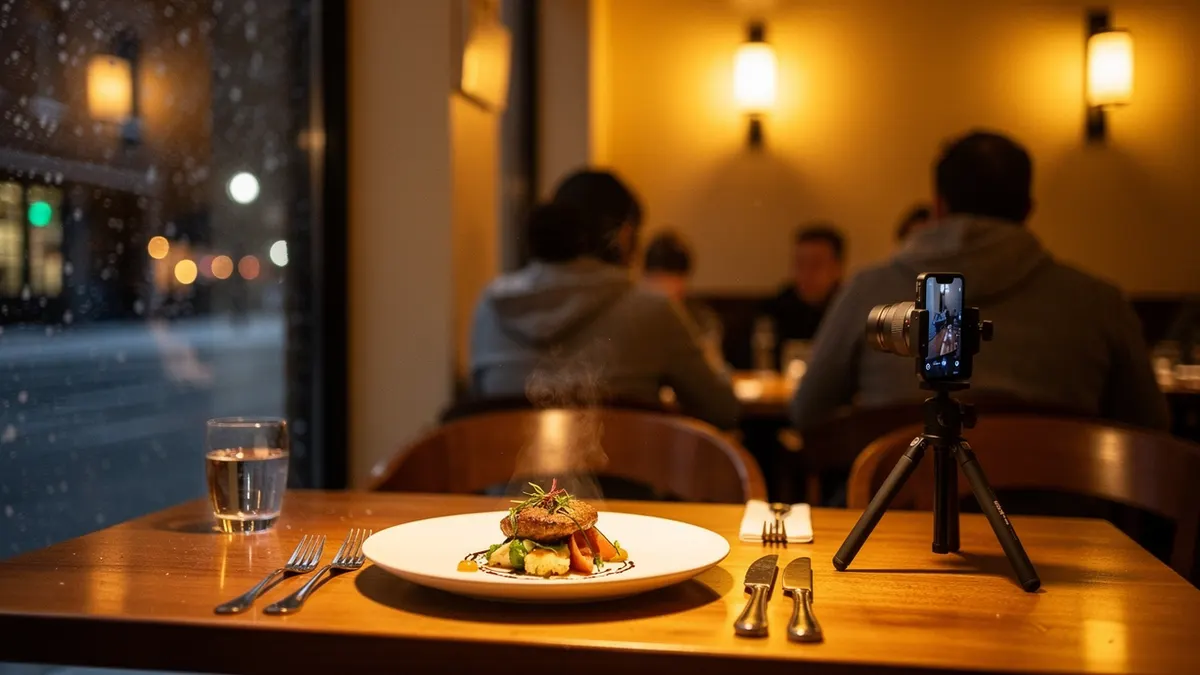
The cold moves demand towards the dining room, delivery and warming dishes. The content changes with it: you no longer show the sun and the street, you show the misted window, the coat put down, the steaming plate.
Many establishments stop communicating in January, which leaves the cheapest window of the year to those who stay.
Delivery packaging decides the review
That is the point restaurateurs most underrate.
The customer rates what they receive at home, not what leaves the kitchen. So show the bag open, what holds up, what is served separately, the sauce that does not leak, the container that keeps the heat.
If a dish travels badly, say so and offer something else: that sentence prevents more bad reviews than any gesture of goodwill.
Publish before meals, not after
It is a simple rule and almost nobody applies it.
The decision is taken one to two hours before eating, not at mealtime. A video published at midday arrives when everybody has already chosen.
So schedule for late morning and mid-afternoon, and keep the evening for what prepares the next day.
The local creator is not optional
The neighbourhood, the street, the accent and the journey place the establishment in three seconds.
Content shot in a neutral setting says nothing about where you are, and nobody recognises anything. Film the arrival from the street, the door, what you see on entering.
The French version is not a translation
Two shoots, two people, not a dub.
The vocabulary of the table does not transpose word for word, and a dubbed voice cancels the closeness sought. Some obligations relating to the language of communication depend on the province and the type of message: they are checked before distribution.
What hospitality actually orders
| The buyer | Their typical order | Their constraint |
|---|---|---|
| An independent restaurant | The dish and the room | An off-service shoot |
| A chain | An identical format per outlet | Guidelines to follow |
| A caterer or bakery | The preparation gesture | Production hours |
What makes a kitchen shot usable
Movement and closeness. A wide shot of an empty room sells nothing, whereas a hand plating a dish, filmed from thirty centimetres, is understood without sound and without text.
What the staff change about a shoot
The pace and the permission. A team in service does not stop, and every person visible on screen must have agreed, which is asked beforehand and not during the rush.
What cannot be asserted
The origin of the produce, craft production, a distinction, and anything touching on allergens.
The rules applicable to consumer information and to those statements depend on the sector and the province: they are checked before going live, with a legal professional in case of doubt.