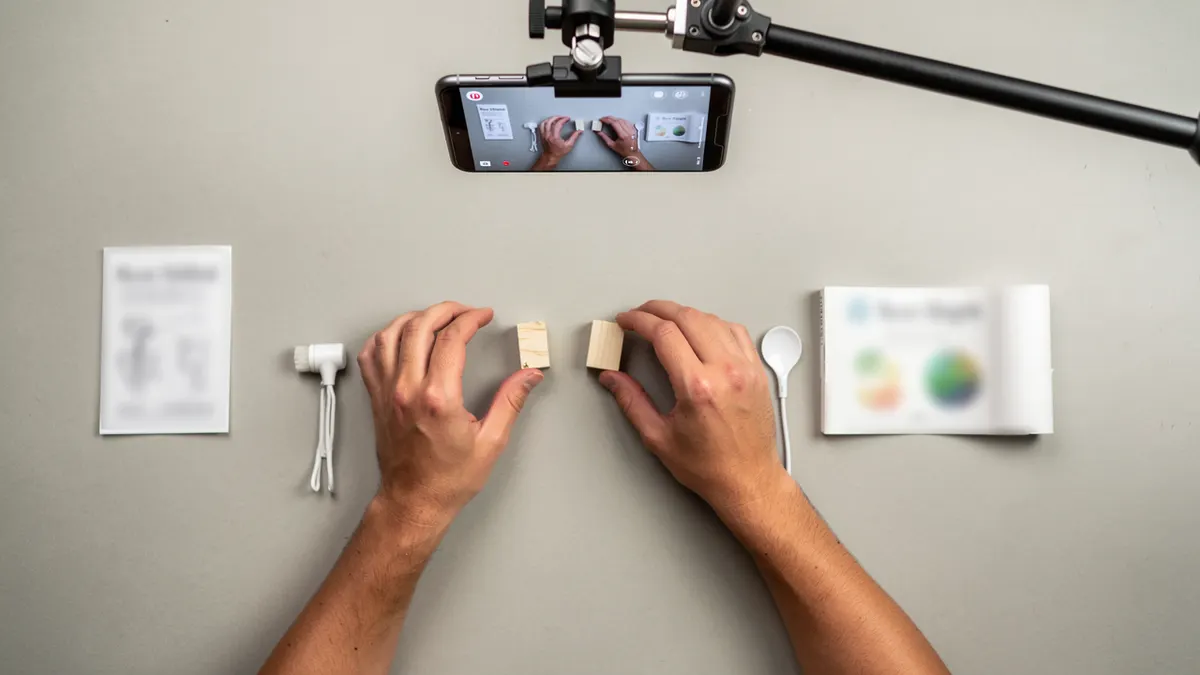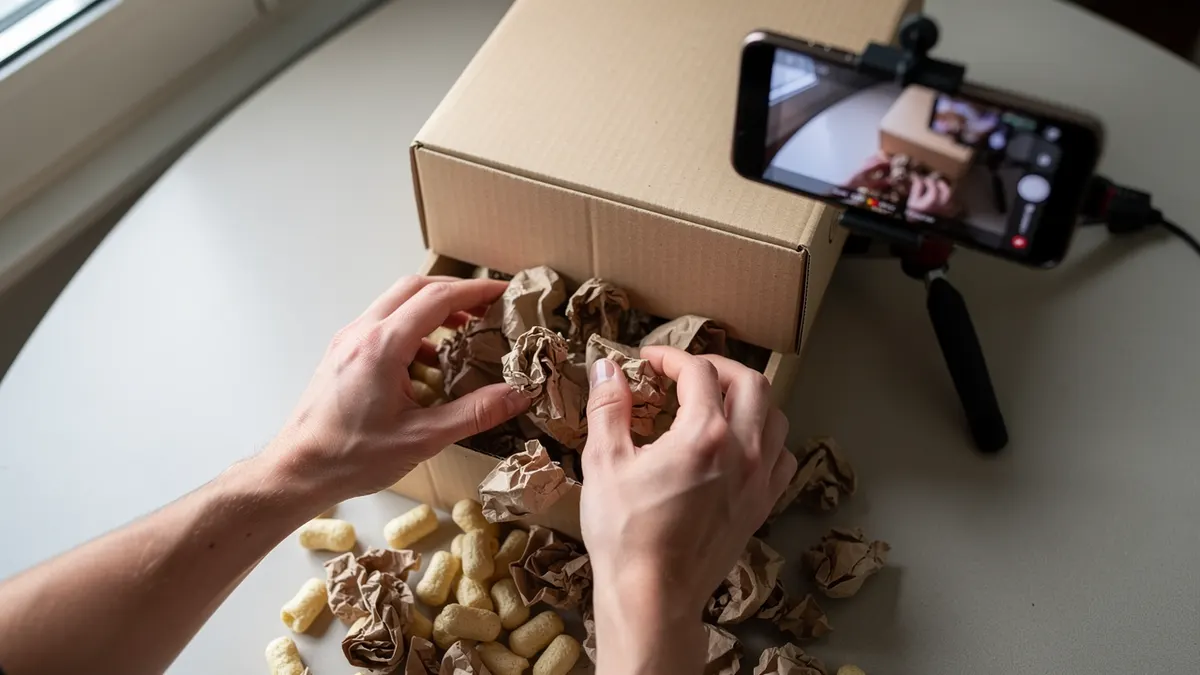
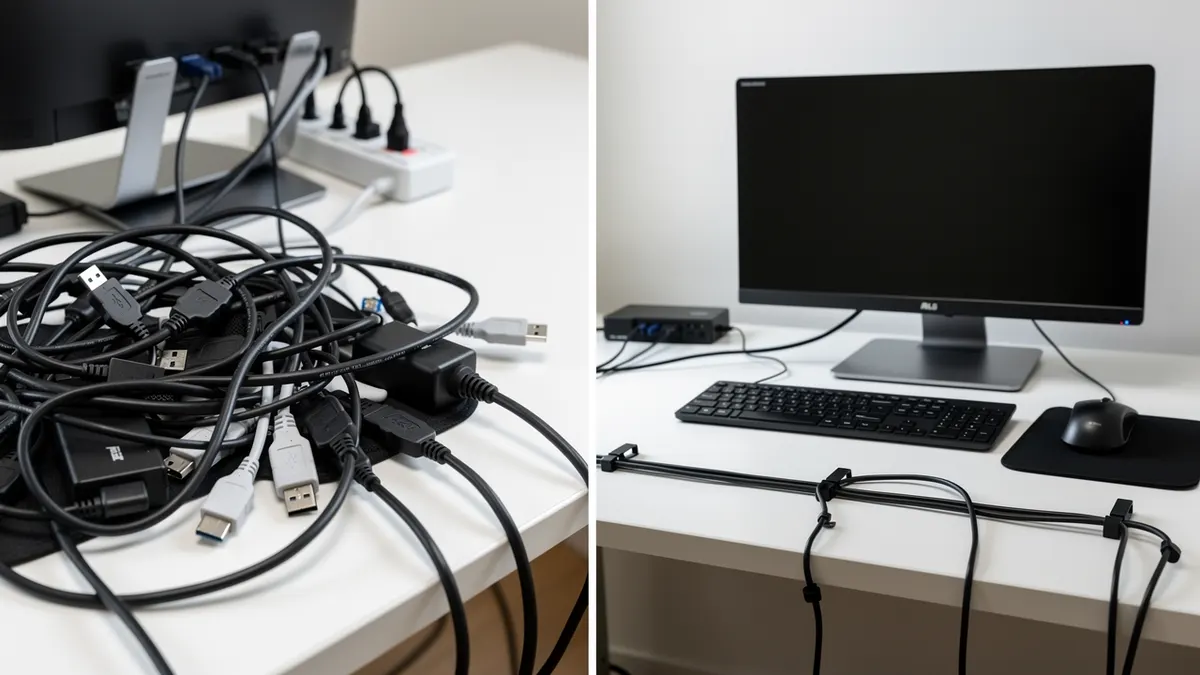
It is the most reliable structure in direct response: a real annoyance, shown, then a solution also shown. It fails for one reason only, and always the same one.
The viewer must recognise themselves in three seconds
That is the only condition for the format to succeed.
If the person does not think "that's me" almost immediately, the rest will not be watched, and the best-filmed demonstration will change nothing.
The problem must therefore be precise and mundane. Not "modern life is complicated", but the drawer that sticks, the seam that itches, the cable that will not stay, the coffee that goes cold before it is drunk.
A good hook for this format is almost always narrower than what the brand had in mind.
Show it, do not tell it
That is the difference between the format that works and its advertising version.
A problem told to camera stays a claim. A problem shown, filmed as it happens, becomes proof.
So film the real annoyance: the hand slipping, the object falling, the stain that stays, the gesture repeated three times.
And keep the original sound. The noise of a sticking drawer does more than any sentence.
Exaggeration kills the format
That is the trap almost every brand falls into at least once.
A person theatrically spilling their glass, holding their head in both hands, unable to open a bottle, turns a real problem into a sketch. The audience laughs, no longer recognises itself, and does not buy.
The rule: the annoyance must be filmed at its real intensity, that is, mild. It is precisely because it is minor and daily that it is shared by many people.
The solution must be shown in one take
With no cut, no speeding up, no editing hiding a step.
The audience of this format knows an edited demonstration can hide anything. One continuous take, even less pretty, is worth two cut ones.
Show too the moment when it takes slight effort: the click that resists a little, the second press, the waiting time. Too perfect a solution reintroduces the doubt the format had just removed.
The format is made for paid advertising
That is where it pays most, and that is what decides its production.
It works without context, without knowing the brand, without followers, which is exactly the situation of an ad.
So shoot several versions of the problem for a single version of the solution: it is the opening that wears out, not the demonstration.
And check before publication what the video asserts. Results claims and comparisons follow precise rules, checked with a lawyer depending on the product.
The three beats, and what each must contain
| Beat | What is shown | What ruins it |
|---|---|---|
| The problem | A lived scene, not a description | A general statement |
| The turn | The product enters the frame | A logo shot |
| The proof | The same frame, after | A result merely told |
What makes the problem credible
One precise detail: the time of day, the failed gesture, the exact stain. A problem stated in general terms speaks to nobody, while a true detail speaks to everyone who has lived it.
What is saved for the end
The honest limit. Saying what the product does not solve holds the viewer to the end and does more for trust than the demonstration itself.
The bilingual point
The problem translates badly, because it is made of everyday words.
An annoyance formulated in English and translated literally into French sounds foreign, and the audience no longer recognises itself.
So film the first sentence again in each language, with the words actually used here, rather than subtitling. The rest of the video is reused as it is.