How to make an intangible product visible, which creators explain well, and the formats that lower acquisition cost.
What comes after is part of the buying decision
Three questions the buyer asks, and no website page addresses.
How long before it becomes useful: that is the real obstacle, more than the price.
What it looks like when it is full: an empty tool and a filled tool do not look alike.
And what has to be done to leave: ease of exit reassures as much as ease of entry.
One consequence for the script: devote half the video to settled use, and only the beginning to setting up. Most videos do the opposite.
What to show, in order
Five sequences, in this exact order.
The concrete problem, in one sentence and one real situation.
The first action inside the product, filmed in real time, with no speeding up.
The result obtained, on screen, with real data.
One imperfect detail: what the product does not do, or what takes getting used to.
And the price or the model, said clearly, not hidden until the end.
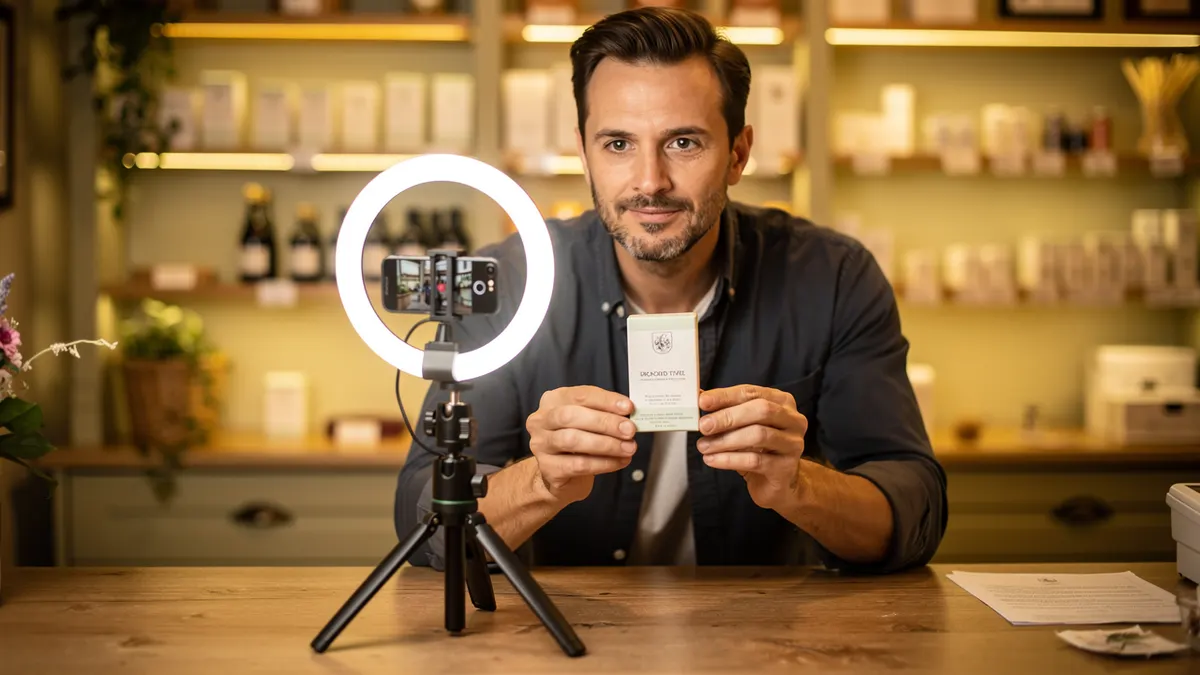
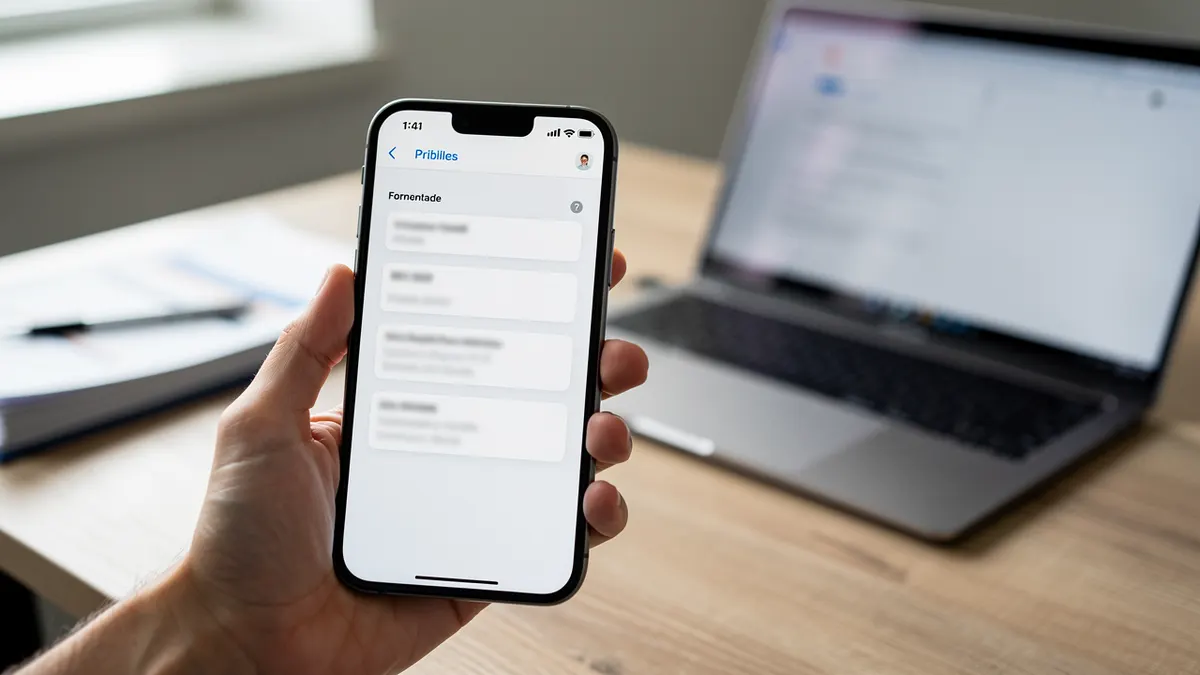
One often neglected technical point: film the phone screen with the hand in frame. A bare screen recording is noticed, and it loses the credibility this format brings.
Technical vocabulary hurts more than it helps
Three reasons.
Trade words exclude most of the audience, including competent buyers coming from another sector.
They move the conversation towards feature comparison, ground on which the biggest competitor always wins.
And they age fast: a highlighted feature becomes a standard within six months.
What works instead: describing the gesture, not the function. "I write three lines in the evening and find everything again on Monday" sells better than the name of the module that allows it.
Who to film
Three profiles, in decreasing effectiveness.
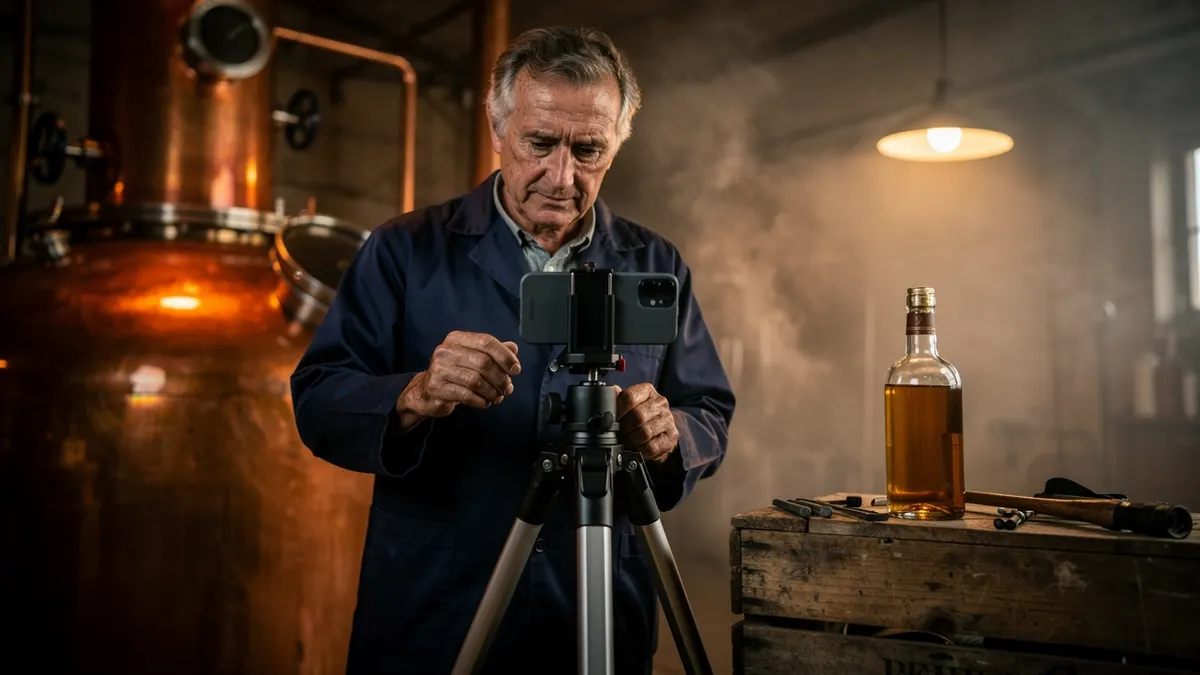
Somebody genuinely using the product in their work: that is the most convincing format, and the hardest to obtain.
A creator from the same sector as the target, who understands the problem without being an expert on the product.
And somebody from the team, only for technical explanations, never for the testimonial.
One decisive criterion in this category: the ability to explain without reading. Somebody reciting a technical script loses all credibility in three seconds.
What has to be checked before publication
Four points, to be taken seriously.
The advertising disclosure, said and shown in the video.
Figure-based claims: performance, savings, time gained. They have to be documented, and are checked with a lawyer.
The data visible on screen: no name, no address, no real customer information, including in a notification popping up during the recording.
And comparisons with a competitor, which follow precise rules.
One practical precaution: ask for a screen recording in flight mode, or with a prepared demonstration account.
What an unboxing must show
| Shot | What it proves | Length |
|---|---|---|
| Closed box in hand | The real size of the parcel | 5 s |
| Contents laid out | What is included | 10 s |
| First start-up | The setup time | 20 s |
What is filmed without a screen
The handling, the ports, the cable length, the felt weight. Those four shots answer questions the spec sheet does not address.
What is masked before release
Any personal data, a serial number, an identifier, a network visible in the settings. A poorly cleaned take is reshot, not blurred afterwards.
The calendar
Three rhythms specific to the sector.
The September return, when companies put tools in place.
The start of the year, the moment of budgets and contract changes.
And the quiet summer periods, when advertising costs fall and tests are cheaper.
One economical practice: produce videos in batches of three, with the same creator, on three different problems. The cost per video falls, and you get to test three angles instead of one.
One last marker, valid for the whole category: the video that lowers acquisition cost is almost never the one showing the most complete product. It is the one showing a person solving a precise problem in under a minute, with a tool that looks already settled into their life.