This is the category where the legal framework decides the brief before marketing does. Once understood, it produces more precise videos than average.
What the framework allows
The field is narrow, and it is rich.
Origin and provenance: the plot, the region, the house, the history of the estate.
Production: the harvest, the distillation, the ageing, the wood, the time.
The objective characteristics: the strength, the colour, the composition, how to serve it, how to keep it.
The terms of sale: where the product is found, how it is distributed, in what format.
That constraint eliminates exactly what audiences find tiring, namely the staging of pleasure, and leaves what they actually watch: how it is made.
The brief that works within the framework
Four formats, all compliant and all effective.
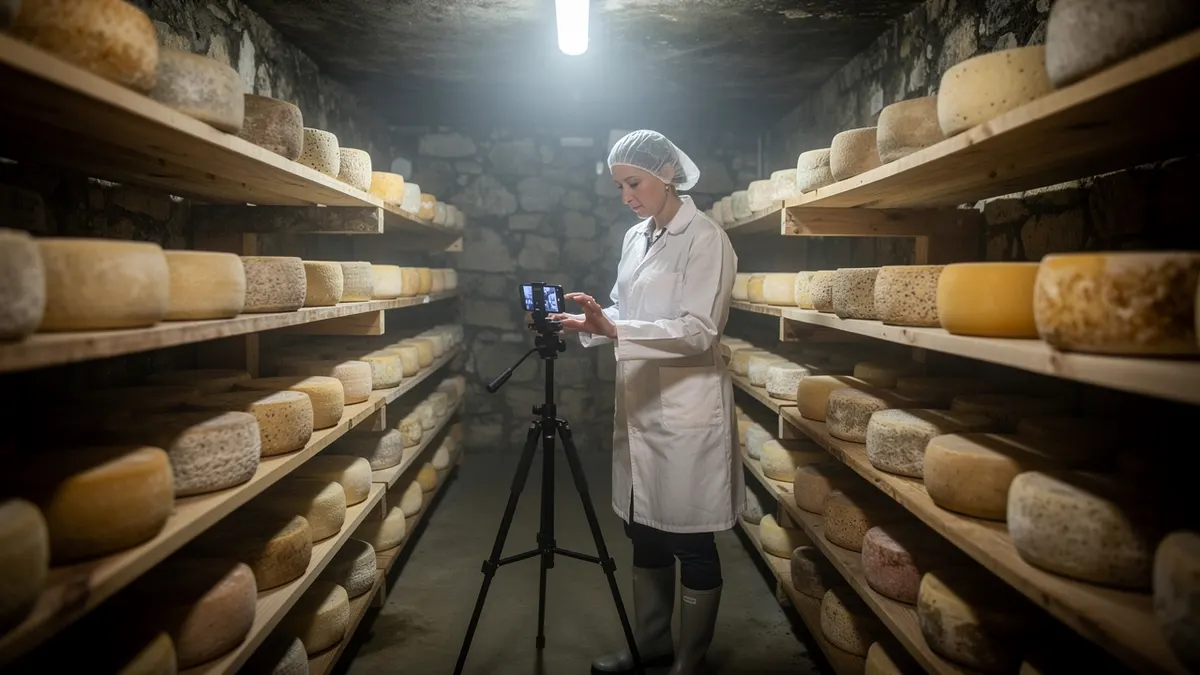
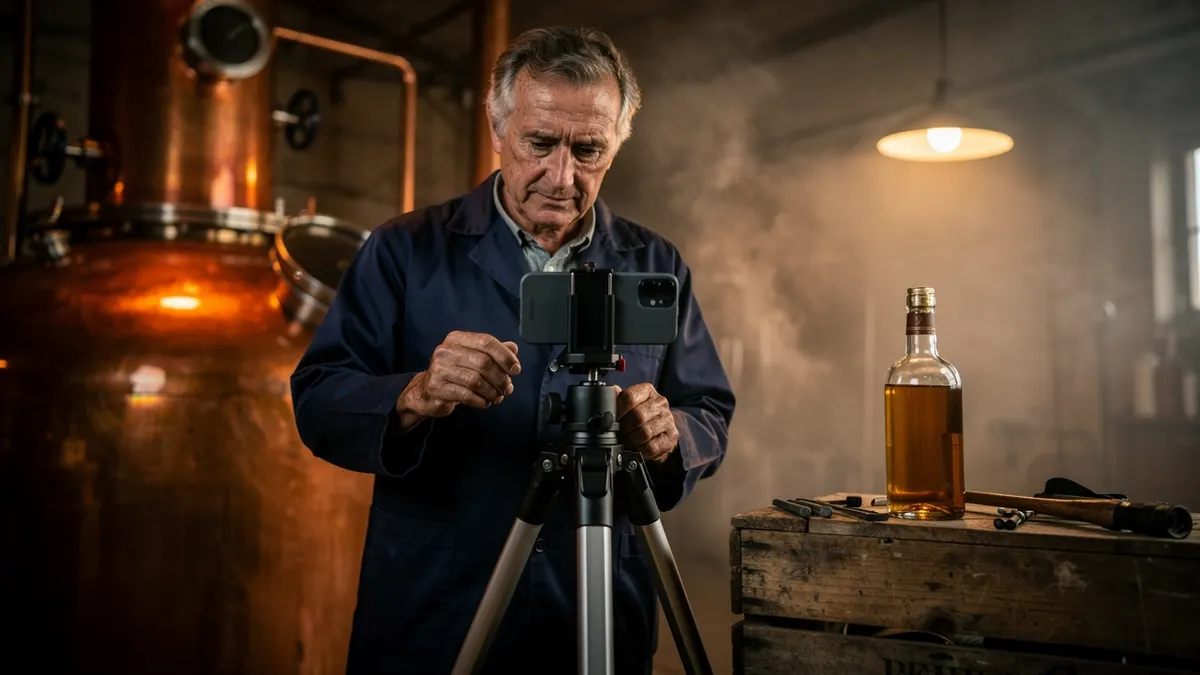
The production gesture, filmed on site, with nobody consuming.
The product alone, in close-up, for the colour, the material, the label, the cork.
The technical explanation: what a production method changes, why this format, how an opened bottle is kept.
And the visit to the place, which is the most watched format in the category and the least produced, because it requires travel.
What is excluded: the tasting to camera, the table among friends, the cocktail served, the raised glass, the party atmosphere.
The hard rules for creators and brands
Three points, with no exception.
Targeting: the communication is not addressed to minors, and both the channels and the distribution settings must take that into account. That also concerns the choice of creator and of their audience.
The identification of the commercial nature, which applies here as elsewhere, on top of the disclosures specific to the category.
And shared responsibility: the creator who publishes and the brand that commissions are both concerned. A written agreement specifying who approves what, and when, avoids most problems.
The exact obligations depend on your situation and are checked with a lawyer before publication, not after a complaint.
Practical notes
Five points that save time.
Have the script approved before the shoot, never the video afterwards. That is the most profitable rule in this category.
Ask for the exact wording of the health message and the way to display it, supplied by the brand.
Plan a master with no burnt-in text, so the disclosures can be adjusted by channel.
Film more product shots than necessary: they are what saves an edit when a sequence is set aside.
And keep a written trace of the approvals, with their dates.
What the rules frame strictly
| Element | What is possible | What is not |
|---|---|---|
| The product | The bottle, the label, the origin | A festive drinking scene |
| The message | Objective elements about the product | A link to success or seduction |
| The audience | An adult public, targeting verified | Any unfiltered audience |
What must appear on every post
The advertising disclosure and the health message required by the regulation, readable without pausing, to be confirmed with a lawyer.
What is refused even if the brand insists
A filmed tasting, a benefit claim, a prize draw open to everyone, and any release without an age filter on the platform.
Why this category is worth the trouble
Because the constraint eliminates the competition.
Many creators avoid this sector, not knowing the framework. Those who master it become rare, work with houses that produce all year, and charge for a skill rather than an audience.
It is also a category where videos do not go out of date: a production gesture filmed today will still serve in five years, provided you put in neither price, nor vintage, nor forbidden scene.
Sources
Checked on 4 September 2026. Thresholds and rates change: where this guide and the official source disagree, the official source is right.