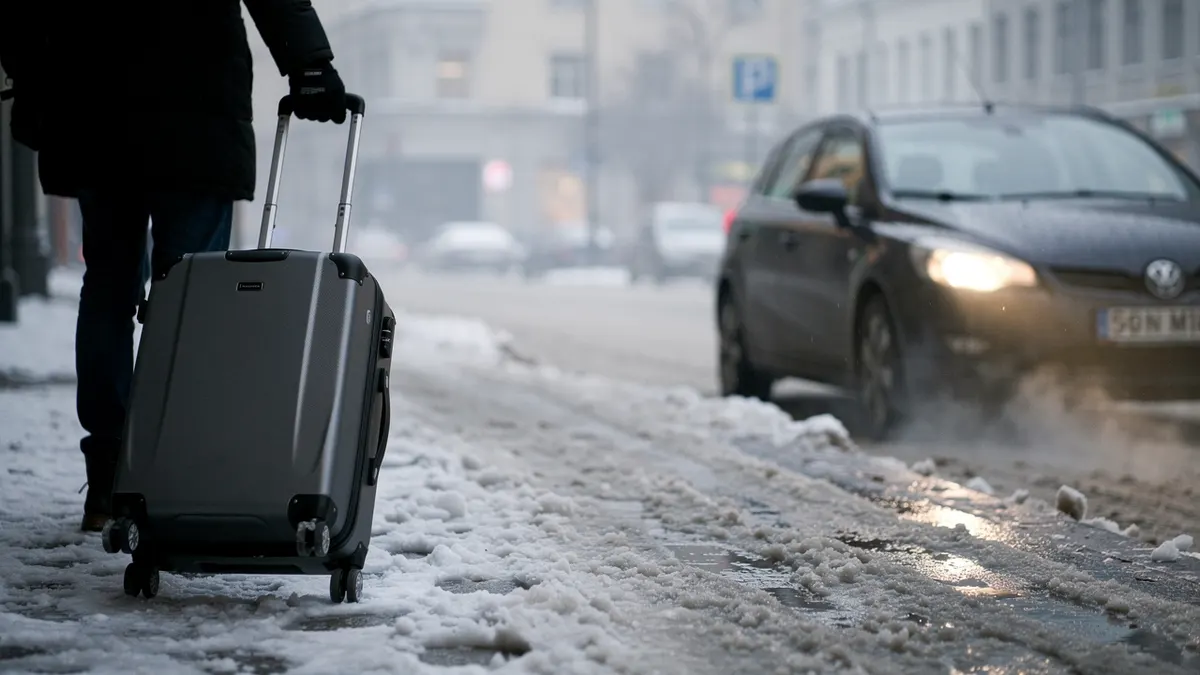
A market with notoriously low customer satisfaction, where a credible video has an unusually large gap to fill.
The audience arrives with a story in mind
That is the particularity of the category, and it changes the start of the video.
Almost everybody has a story: a bill that went up without warning, an endless customer service call, a plan they could not manage to cancel.
Three consequences for the writing.
Do not start with enthusiasm: it collides with a memory and the video is lost in two seconds.
Name the problem first, in the audience's words.
And keep a measured tone: in this category, the strong promise does exactly the opposite of what it aims for.
Price transparency is the real differentiator
That is what nobody does, and what everybody is looking for.
Four elements to show on screen, on a real bill if possible.
The displayed price, and what it becomes after the promotional period.
The fees that get added: activation, device, overages.
The length of the commitment, and the real cost of leaving early.
And what happens at the end of the contract, when the price readjusts automatically.
A video handling those four points is shared by people who follow nobody, because it renders a service the market does not.
Coverage claims are the risky zone
Three brief rules, to be written down in black and white.
No named comparison with a competitor without a documented measurement and prior legal approval.
No generalisation from an individual test, neither in the voice nor in the on-screen text.
And no reuse of an official coverage map inside an edit, which would turn it into the creator's own claim.
Those three points are checked with a lawyer before the shoot, and the rules applicable to comparative advertising and technical claims are checked with the competent authorities.
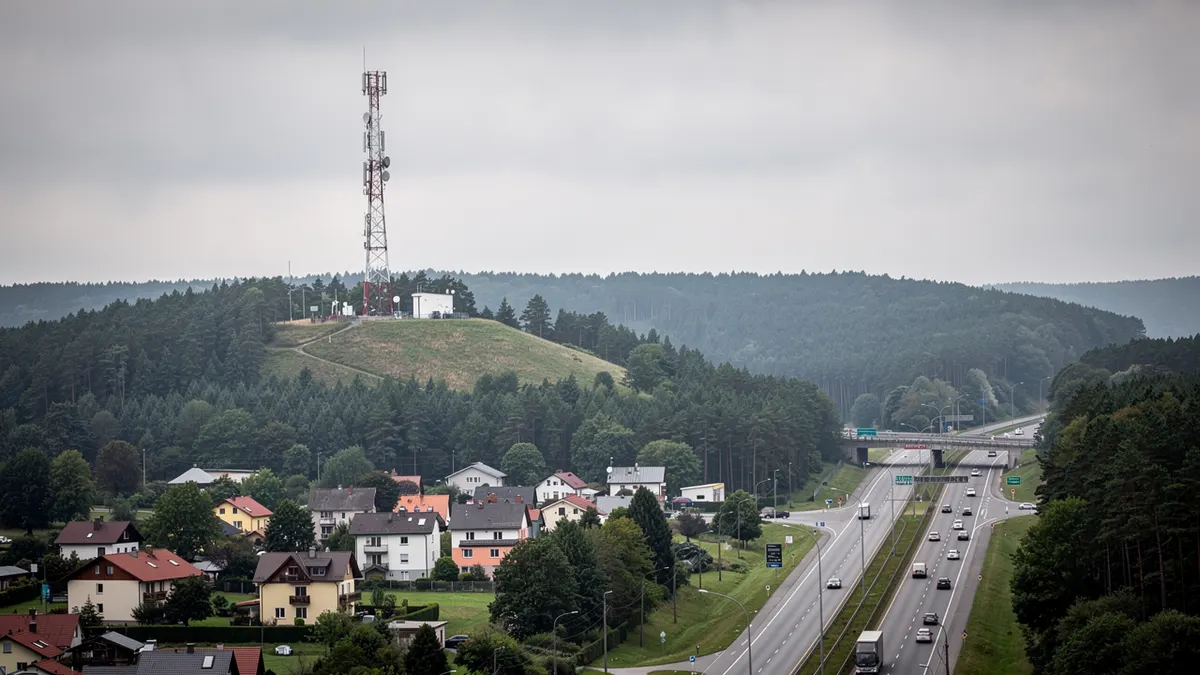
Rural Canada is a real story
That is the most requested and least filmed subject.
Outside the cities, the question is not the price, it is whether it works at all, at which precise spot, and what happens when the weather gets involved.
Four shots worth a whole campaign. The signal on the road, at an identifiable junction. The house at the end of the track, with the outdoor installation. Real use: video call, remote work, distance schooling. And winter, when the line goes down and a technician has to be waited for.
One production note: film with the person who lives there, not with a creator who came from the city for the day. The difference is heard in the first word.
What the video can show
| Element | What is possible | What is ruled out |
|---|---|---|
| A device | The unboxing, the setup, the use | A promised network performance |
| An offer | The publicly displayed price | A comparison with no source |
| Coverage | What you observe in one given place | A map presented as general |
What is masked on screen
A number, an identifier, an address, a connection code and any screen showing another customer's data. A badly cleaned shot is dropped, not fixed.
What must appear in every video
The advertising disclosure, the conditions attached to the offer and the commitment period. These change often, to be confirmed with the operator and a lawyer.
Quebec does not have the same competitive landscape
That is a frequent mistake in campaigns designed at national scale.
The players, the habits and the offers are not the same there, and an argument valid elsewhere can be beside the point.
Three rules. Shoot in French, with a person from there, not a dubbed version. Adapt the comparisons to the offers actually available locally. And have the display, the packaging and the commercial statements checked against the applicable language rules, with a lawyer, before publication.
Sources
Checked on 4 September 2026. Thresholds and rates change: where this guide and the official source disagree, the official source is right.