What travellers want to see, which creators to hire, and how to buy content still valid the following season.
Two markets in the same establishment
Three audiences, with opposing expectations.
The traveller coming from afar, who prepares their stay months ahead and wants to understand where they are going.
The nearby traveller, who decides within days and compares mostly price and journey.
And the business clientele, who look neither at the pool nor at the view, but at the connection, the desk, the early breakfast and the invoicing.
One production consequence: those three audiences require three different videos, not one video trying to please all three. They are shot on the same day, in the same place, with three scripts.
What to show that nobody shows
Five shots, all concrete.
The journey from the arrival point: station, airport, motorway exit, with the real duration stated.
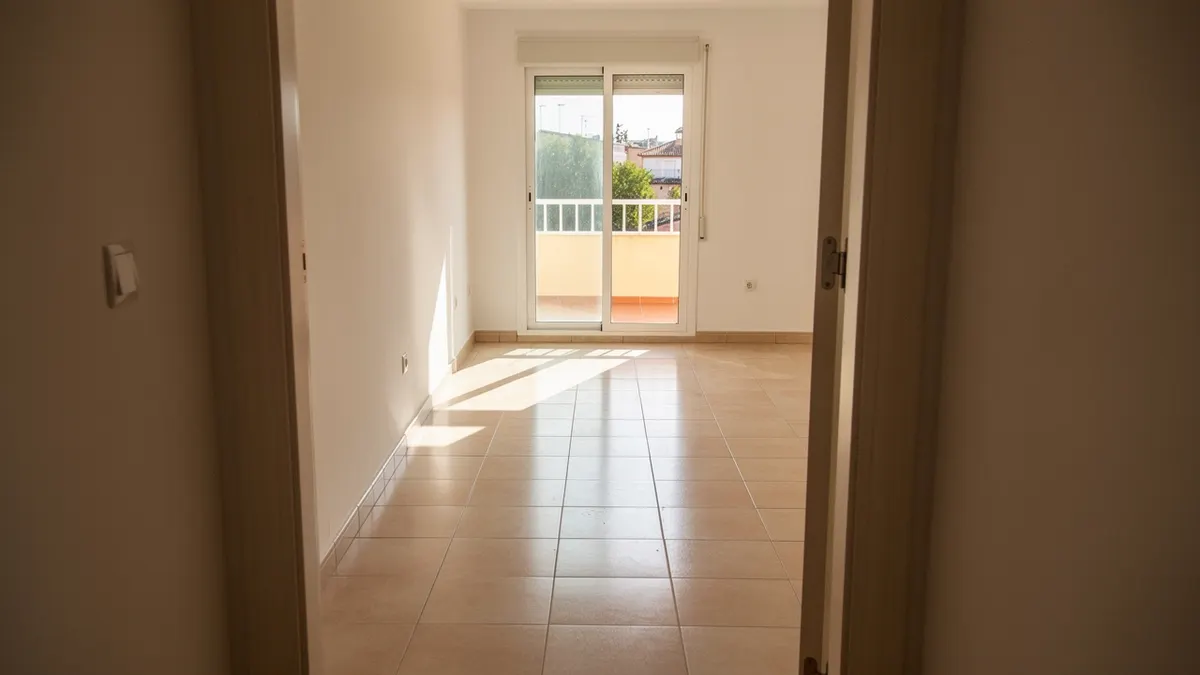
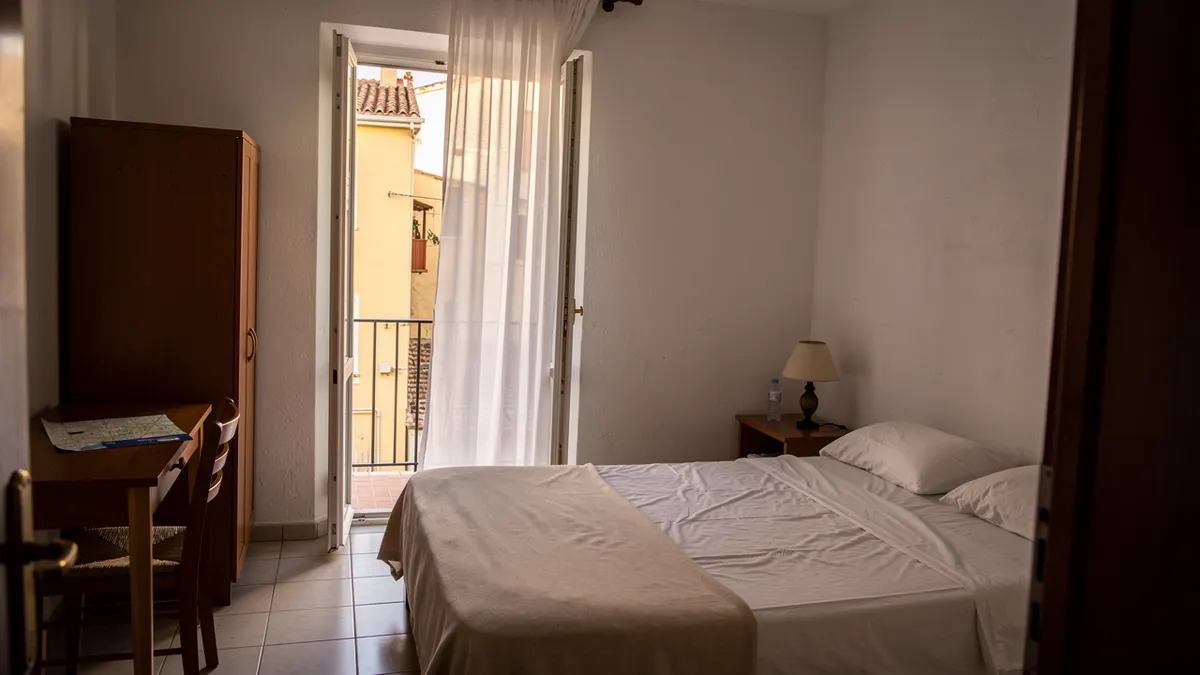
The room filmed whole, with no wide-angle enlarging it, and the noise you hear from the bed.
The bathroom, which decides more purchases than the facade.
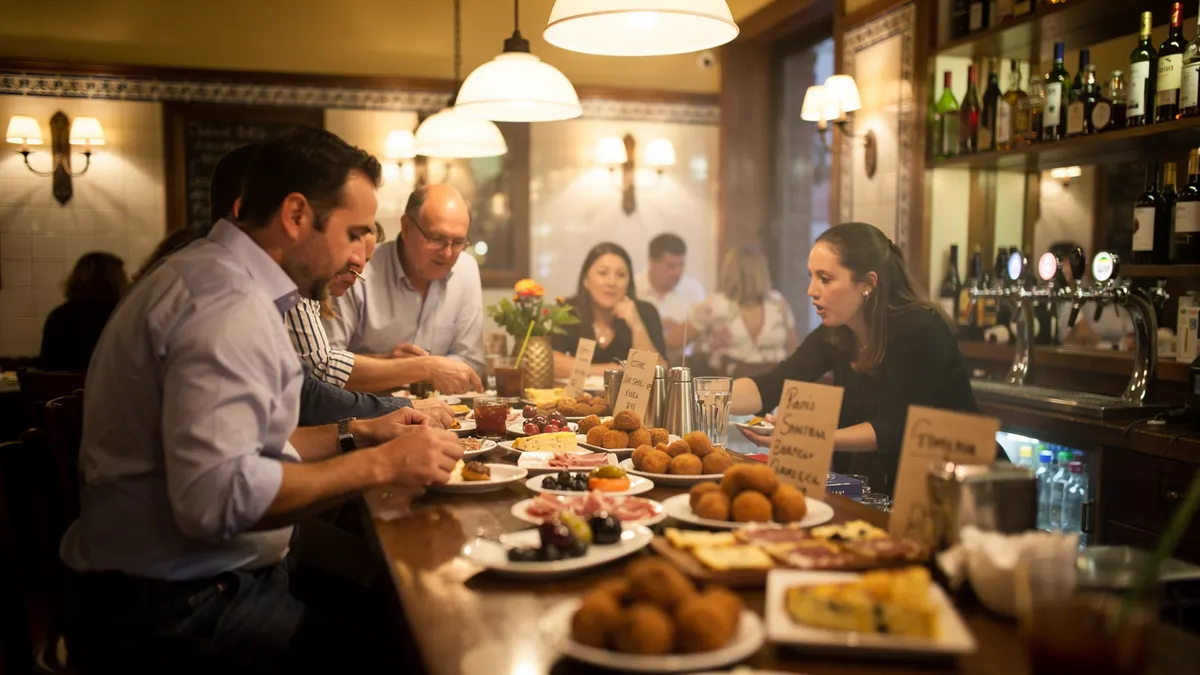
The breakfast as it is served, at the hour it is served.
And the immediate surroundings: what there is five minutes away on foot.
One shot to avoid: the view at sunset, present on every listing and unable to separate two establishments.
The real battle is the low season
Three reasons to produce off-season content.
Advertising competition is weak, so the acquisition cost is low.
The arguments change and become easier: no crowds, lower prices, immediate availability, different light.
And the audience exists: short trips, work stays, nearby visitors.
One economical practice: shoot the low season during the low season, when the rooms are free and the staff available. It is the only time of year when a shoot bothers nobody.
The languages of your markets
Three simple rules.
One version per main market, with a native voice, not subtitles.
One single shoot for all versions: same setting, same shots, several creators on the same day.
And a version with no burned-in text, kept to produce an extra language later.
One casting note: the creator can be a traveller, which is often preferable. They ask the questions in the order they arise, because they asked them themselves the day before.
What not to promise
Four points of caution, to check with a lawyer.
Prices: they are stated with their date, or not stated.
Availability: never guarantee there will be room.
The mandatory statements specific to accommodation and catering.
And filming permissions in public places, monuments and transport, which are not automatic.
What is filmed on site and what can be redone
| Shot | On site | Redoable back home |
|---|---|---|
| The arrival and the view | Impossible to replay | No |
| The room and the breakfast | To film the first morning | No |
| The voice-over | Optional | Yes |
What you ask the venue
Permission to film in common areas, a slot with no guests, the consent of any staff appearing, and verification of the information quoted.
What is not promised
Weather, availability, a rate or a rating. Those change between the shoot and the release, and a false claim commits the brand.
What to measure
Three indicators, in this order.
Direct bookings, measured over the ten days following publication.
The rate of route searches, which indicates concrete intent.
And the cancellation rate, which should fall if the video showed reality rather than an embellished version.
One last marker, valid for the whole category: the most profitable video in this sector is not the most beautiful, it is the most accurate. A traveller disappointed on arrival cancels, complains and tells others; a traveller who finds exactly what they saw comes back and recommends.