Being bilingual in a country that needs both languages is a commercial advantage. But it has to be sold for what it is really worth, and that is not the language.
The argument that opens the other provinces
It fits in three lines of a message.
Two versions shot the same day, in both languages, by people from here. One delivery, with the formats and the separate tracks. One schedule to follow.
Add that the French version is shot and not dubbed: that is the difference out-of-province teams cannot always put into words but recognise immediately.
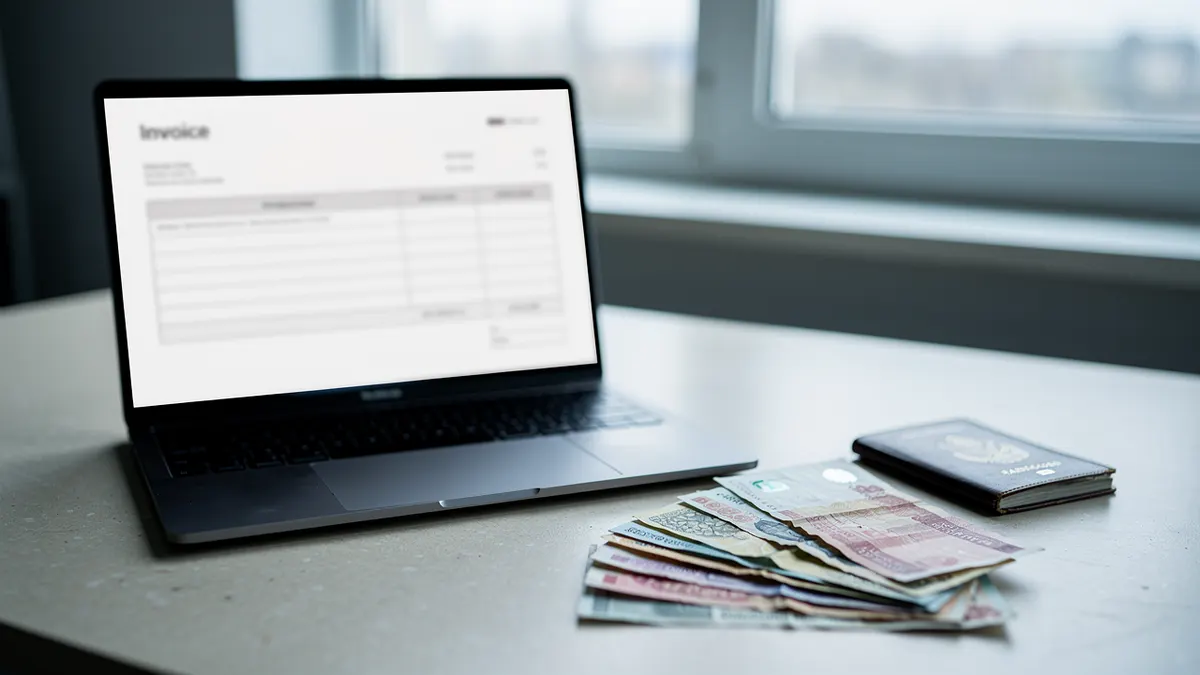
Invoicing outside the province
The rules are not the same depending on where the client is.
The applicable tax treatment, the statements to put on the document and the declarations that follow depend on the client's province, your status and the nature of the service. They are checked once with an accountant, then written into your invoice template.
That check takes an hour and avoids rejected invoices, which cost several weeks.
American clients
They add three questions Canadian clients do not ask.
The invoicing currency, the transfer fees and who bears them, and the documents they will ask for to register you as a supplier. Settle those three points in writing before accepting, not at the moment of the first invoice.
The obligations applicable to services provided abroad are checked with an accountant before the first job, and rechecked once a year.
What to put on the profile
One sentence, at the top, with four pieces of information.
Creator based in Quebec, videos shot in French and English, categories covered, usual turnaround. That is what buyers type and read, and it is what makes you appear in their searches.
Add two examples, one in each language, with what exactly you did on each.
Do not cut prices because you are far away
That is the most frequent and most costly mistake.
Distance is not a flaw in this trade: everything is delivered by link, and the client never travels. A rate lowered because you are a thousand kilometres away becomes your reference with a client who had asked for nothing.
If you must give something up at the start, give up on volume or on the duration of the rights, never on the unit price.
What changes when the client is elsewhere
| The topic | What it implies | What the quote settles |
|---|---|---|
| The currency | An exchange rate that moves | A firm price in a named currency |
| The time difference | Slower approvals | Explicit reply dates |
| Taxation | Rules that vary by country | To confirm with an accountant |
What reassures a foreign client
Administrative clarity. A compliant invoice, a dated deadline and a shared working language are worth more than a low rate, because a distant buyer is mostly buying predictability.
What to plan so you do not work at night
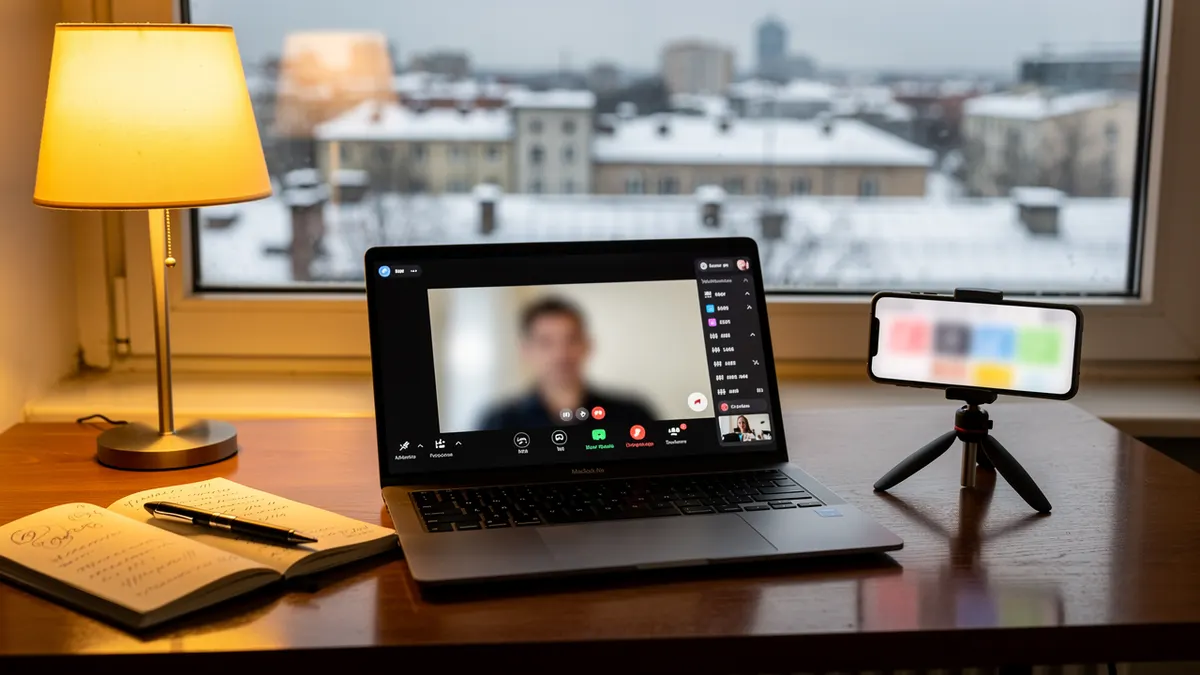
An announced response window. Two overlapping hours a day are enough if both sides know them, whereas a promise of permanent availability quickly becomes untenable.
What makes a distant client come back
Three things, and none of them artistic.
Answering the same day despite the time difference. Delivering a clean, named folder, with the expected formats without being asked. And issuing a document their accounting accepts first time.
Those three skills are worth more than a better image, because they save time for somebody whose job is not to keep track of you.