Belgium is a distribution economy. A large number of companies here do not manufacture anything: they import, represent, warehouse and sell brands that belong to someone in another country.
That creates a specific content problem. The importer is the one talking to Belgian customers, and the brand material they are allowed to use was made for a market they do not serve, by people who have never seen their shop.
What you can and cannot do with the brand's material
The starting point is the distribution contract, and it is worth reading rather than assuming. Some agreements allow local adaptation, some allow use as delivered and nothing else, some require approval for anything that carries the logo.
Ask for the boundary in writing
Send one message to the brand asking what you may film, adapt and publish yourself. It sounds like a formality and it is the single most useful thing an importer can do, because most suppliers are far more permissive than their distributors assume and simply have never been asked.
The second question in that same message: can we use your master files, and can we shoot our own with your product. A yes to the second one is where all the value is.
What only you can make
A brand in Italy or Germany can produce beautiful product films. What it cannot produce is anything that proves the product exists here, in this country, in the hands of people who buy it.
The proof a brand cannot fake
Everything in the left column below has one thing in common: it happens where you are and where they are not.
| Content only the importer can make | Why the brand cannot |
|---|---|
| The product in a Belgian shop or on a Belgian site | They are not in the room |
| A local customer using it, speaking the language | They cannot cast for a market they do not serve |
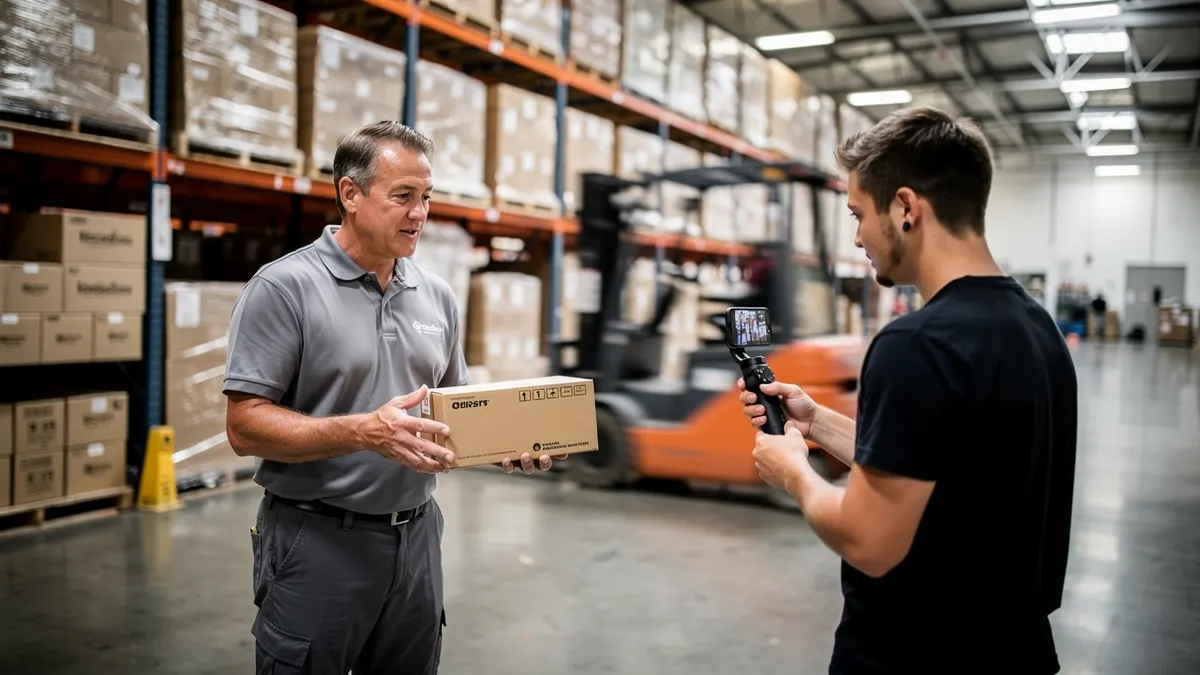
| Your own warehouse, delivery and service | It is your operation, not theirs |
| A local installer, technician or reseller explaining it | The expertise lives with your network |
| Answers to the questions your customers actually ask | Only you receive those questions |
The last row is the most underused. Every importer has a list of things customers ask before buying, and answering them on camera is the cheapest content that exists, because the research is already done by your own sales team.
Stop reposting supplier assets
Most importers publish the brand's material with a local caption. It looks tidy, it costs nothing, and it makes you interchangeable with every other distributor in every other country doing exactly the same thing.
What one filming day a quarter produces
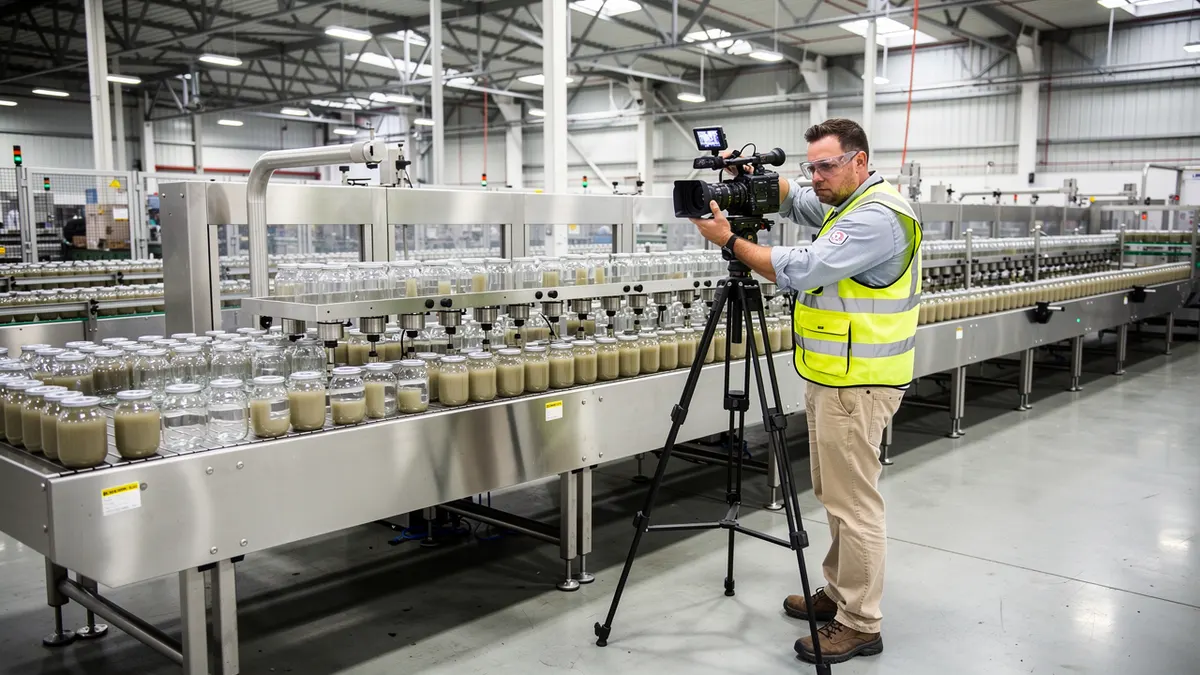
The alternative is not expensive. One filming day a quarter, in your own warehouse or with a customer, produces more differentiating content than a year of reposts, and it is material the brand often ends up asking to reuse.
Running approval with a supplier abroad
Two habits keep this from becoming painful.
Show them the plan, not the result. A one-page outline sent before filming gets approved in a day. A finished video sent afterwards enters a review process, comes back with changes, and costs you a fortnight.
Nominate one contact on each side. Approval that travels through a sales representative to a marketing manager to a brand lead is where projects die. One name, one email address, one decision.
If the brand refuses everything, that is information too. A supplier that does not let its distributors speak to their own market has made a choice, and it is worth knowing before you build a strategy that depends on their permission.