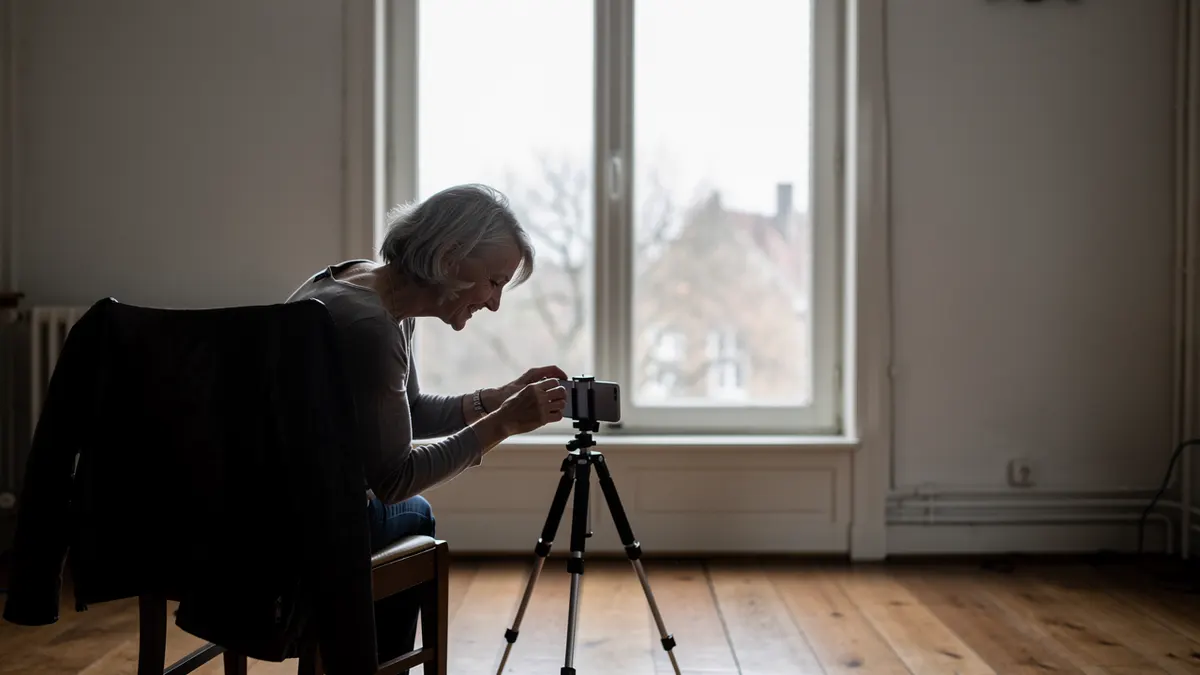
A creator works from home for a year and nobody asks anything. Then a client with a warehouse, a shop or an office sends a message asking for a certificate before the shoot, and there is a scramble.
The confusion is not really about insurance. It is that a single request is covering three different risks, and answering the wrong one wastes a week.
Three risks that get one word
Damage to their place or their people
The client's actual worry. A light stand falls, someone trips over a cable, a shelf gets knocked. This is the risk almost every certificate request is about, and it is the one that matters to a facility manager letting a stranger into a building.
Damage to your own equipment
A different question entirely, and the one creators worry about instead. Your camera falling off a table is your loss, and it concerns nobody but you.
Clients almost never ask about this, and creators frequently buy for it while leaving the first risk uncovered, because it is the one they can imagine.
A problem with the work itself
The third and rarest: the delivery causes a loss. A claim in a video turns out to be wrong, a file is late for a launch, footage of someone is used in a way that was not agreed.
This is a different category again, it has nothing to do with the shoot day, and it is the one most likely to arrive months later.
| What the client says | Which risk they mean | What actually reassures them |
|---|---|---|
| Send us your certificate | Damage to their site and people | Proof that this specific risk is covered |
| Are you insured | Usually the same thing, less precisely | The same, plus a name to contact |
| We need you on our supplier list | Their procurement process | Documents, in their format, in advance |
| Do you have your own equipment cover | Rare, and it is about their liability | A short clear answer either way |
| Nothing at all | They have not thought about it | Nothing, and it is still worth having |
The third row is the one that surprises creators working with larger companies for the first time. It is a procurement requirement rather than a real assessment of risk, and it usually needs paperwork in a specific format rather than a conversation.
What this article cannot tell you
What you are required to have depends on your status, your activity, your contracts and the country you invoice from. Those combinations are the whole question, and no article can resolve them for a specific person.
What is useful to know is that the question is answerable cheaply. A broker who deals with independent professionals will settle it in one conversation, and the cost of the conversation is nothing.
What to ask a broker, in five sentences
Bring the actual situation rather than a general question, and it takes fifteen minutes.
I work as a creator. I film in clients' premises: shops, offices, occasionally workshops. I bring lights and a tripod and sometimes I move a piece of their furniture. I deliver video files that they publish. Clients are starting to ask me for a certificate before a shoot.
That description, said once, is enough for someone who does this professionally to tell you what fits. Bring your invoicing status and roughly how many days a year you spend on other people's premises, because both change the answer.
Two habits worth having regardless
Write down what you agreed about damage before the shoot, in one line, in the same message as the schedule. Most incidents are small and resolved in a conversation, and the conversation is easier when it happened in advance.
And take thirty seconds of footage of the space before you set up. It is not evidence in any formal sense, and it has settled a lot of disagreements about a mark on a wall that was already there.