Rates too low, rights given away, contributions forgotten, and the habits that quietly drain a business.
The five mistakes that cost the most
Five, in order of what they drain.
Transferring broad rights without pricing them: a video shown for a year in paid advertising at the price of a single post is the heaviest loss in this trade.
Accepting free exclusivity: it closes a whole category to you for months.
Not provisioning contributions and tax: the money received is not the money earned, and the reckoning always arrives in a quiet month. That point is calculated with an accountant, from the first invoice.
Working with no deposit on large batches: you are financing the client's production with your own cash.
And setting a starting price too low: it is the one that sticks, because an increase is negotiated against a history.
The beginner mistakes that cost less than people think
Three, often overestimated.
Imperfect framing: nobody notices if the sound is clean and the message clear.
A hesitation in a take: it makes the video more credible, not less.
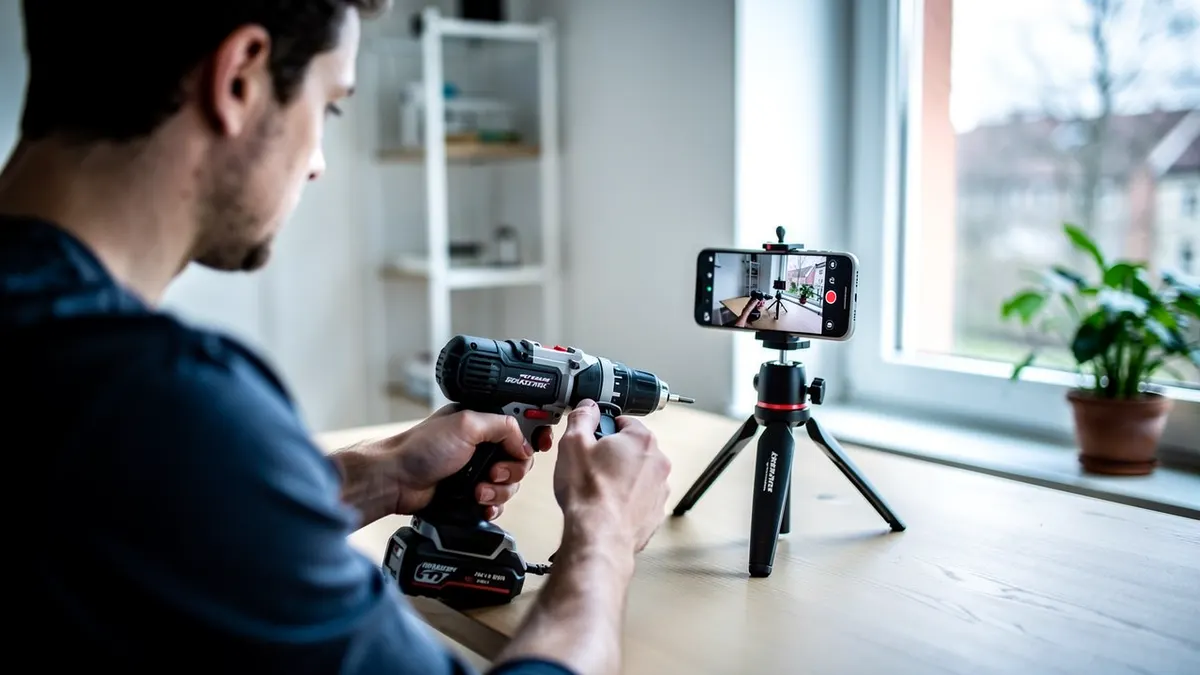
And modest equipment: a recent phone, a window and a clip-on microphone are enough for the vast majority of orders.
One useful consequence: do not delay your first job while waiting to be equipped. What is missing at the start is never the gear, it is one example delivered on time.
The mistakes on the brand side
Four, and they cost the creator just as dearly.
Sending the product late, then keeping the delivery date.
Having three people approve who do not talk to each other.
Changing the brief after the shoot.
And asking for the raw files without having provided for them in the contract.
One rule protecting both sides: anything not in the quote gets renegotiated. Saying so in the first message avoids discovering it at invoicing time.
What repairs a mistake
Three moves, in this order.
Say what happened, in one sentence, without a long justification.
Propose a dated solution: what you will redo, when you will deliver it.
And write what changes for next time, in the same message.
An acknowledged and corrected mistake rarely loses a client. What loses one is the three days of silence while you work out how to explain.
The three costliest mistakes
| Mistake | What it produces | The fix |
|---|---|---|
| A quote given as a range | Doubt about your seriousness | A firm, itemised amount |
| A verbal agreement | A dispute over usage | A contract signed before the shoot |
| Data visible on screen | A data-protection breach | A reshot frame, never blurred afterwards |
What can be fixed fast
A profile with no legal details, a dated sample, a missing price range. Thirty minutes are enough, and those three block more orders than a high rate does.
What cannot be fixed
A late delivery with no warning. Flagging it the day before changes everything, apologising afterwards changes nothing, and the brand does not call back.
What avoids them all
Four habits, held without exception.
A written quote before every job, even for a loyal client, even for a single video.
One file per client, with the agreements, the permissions and the rights end dates.
A quarterly appointment with your own rates: you raise them on a fixed date, not when the situation becomes uncomfortable.
And a prepared sentence for refusing: jobs refused in time cost less than jobs accepted reluctantly.
One last point, specific to this market: the mandatory statements on a professional profile, the form of invoices and the treatment of advertising follow precise rules. Having them checked once by a lawyer and an accountant costs less than the first formal warning, and that check then holds for several years.