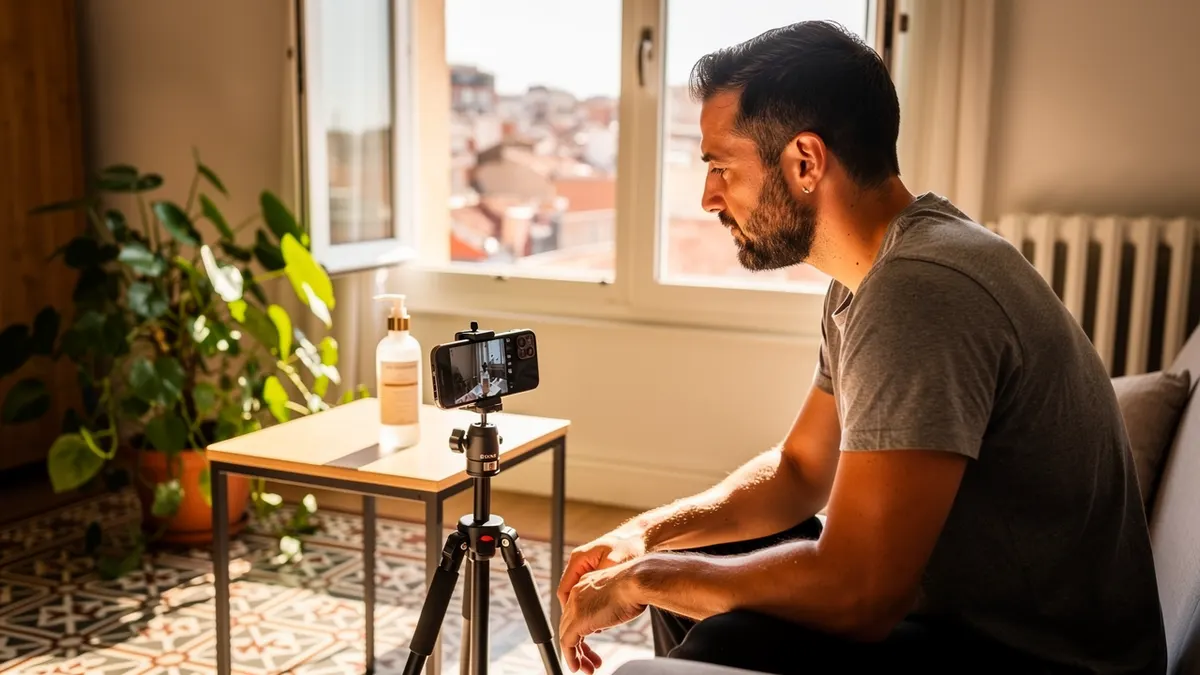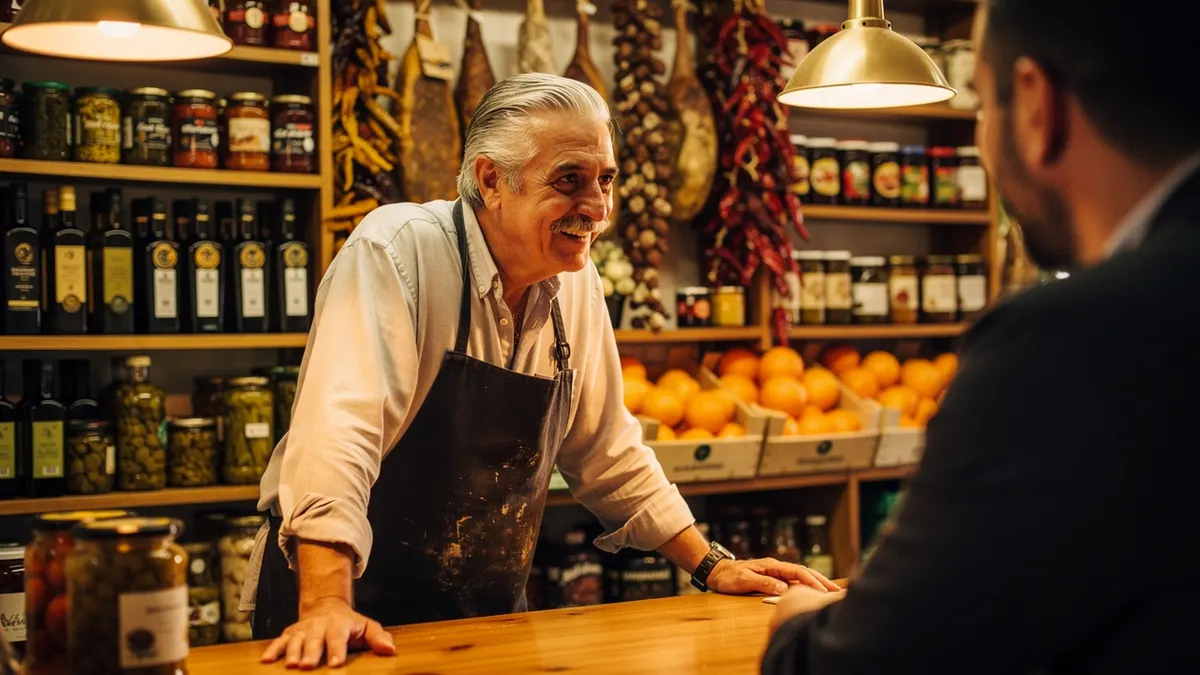
The first client almost never comes from a platform: they come from a message sent to the right company, at the right moment, with the right attachment.
Who to write to first
Five families of companies answer faster than the others.
Small online sellers
They are already selling, they need content every month, and the decision is taken in one conversation.
Restaurants
The need is permanent, the decision is local, and the budget is modest but recurring.
Gyms, salons and clinics
They buy content to recruit clients and staff, and nobody approaches them.
Companies that have just started
They have no photos, no videos, no habits. A first collaboration settles in easily there and lasts.
Latin American brands that want to sound Spanish
That is the most poorly exploited niche: they are looking for a local voice so as not to sound imported, and they pay accordingly.
What to have before writing
Three elements, and not one more.
Two example videos, shot on products you own, in the target category.
A written rate, with what is included and what is not.
And a way of being reached that does not depend on a social network.
A website is not necessary. A shared folder, tested from a phone logged out of your account, is more than enough.
The message that works
Four lines, sent on the channel the company actually uses.
The first names something precise: the product, the shop, a detail of the latest launch.
The second proposes a concrete idea, not a service: a video showing this use, this format, this length.
The third gives the price and the lead time.
The fourth links to two examples, not twelve.
No personal introduction, no history, no anticipated thanks.
How many to send
The figure that counts is not the number of messages, it is the number of replies per ten.
Below one reply in ten, it is not the market that is saturated: it is the message that does not work, or the target that is wrong.
Then change one thing at a time, in that order: the first line, the attached examples, then the displayed rate.
The offer that unlocks the first yes
Only one, and it works because it removes the risk.
Offer a first video at a reduced price, but on one written condition: if the result suits, the rest is done at the normal rate, on a batch of three.
It is not free work, and it is not a permanent discount. It is a framed trial, with a planned exit.
Where to look for the first ten names
| Lead | What makes it promising | Yield |
|---|---|---|
| Brands already running video ads | The budget exists | The best |
| Online shops with no video at all | The need is visible | Medium, but lasting |
| Brands seen on a platform | The demand is written down | Fast |
What a first message that gets a reply contains
A precise observation about the brand, a link to two samples close to its sector, a price, a date. Four lines, sent to a named person.
What you do after ten messages with no reply
Change the sample you lead with, not the wording. Nine times out of ten, the problem is the first clip shown, not the text of the message.
The Spanish detail that changes the conversation
It holds in one sentence, placed in the first message.
State whether you invoice, and in what form. A structured company cannot pay without a compliant document, and knowing that from the start saves them from backing off out of caution.
It is also what immediately distinguishes you from creators who can only work with informal payments, and it opens access to more regular clients.
Finally check the obligations attached to your situation with an adviser before the first invoice, rather than after.