A camera that becomes the viewer. Here is when it works, when it looks ridiculous, and how brands use it.
When it really works
Three situations, and they share one thing: the viewer's place is obvious.
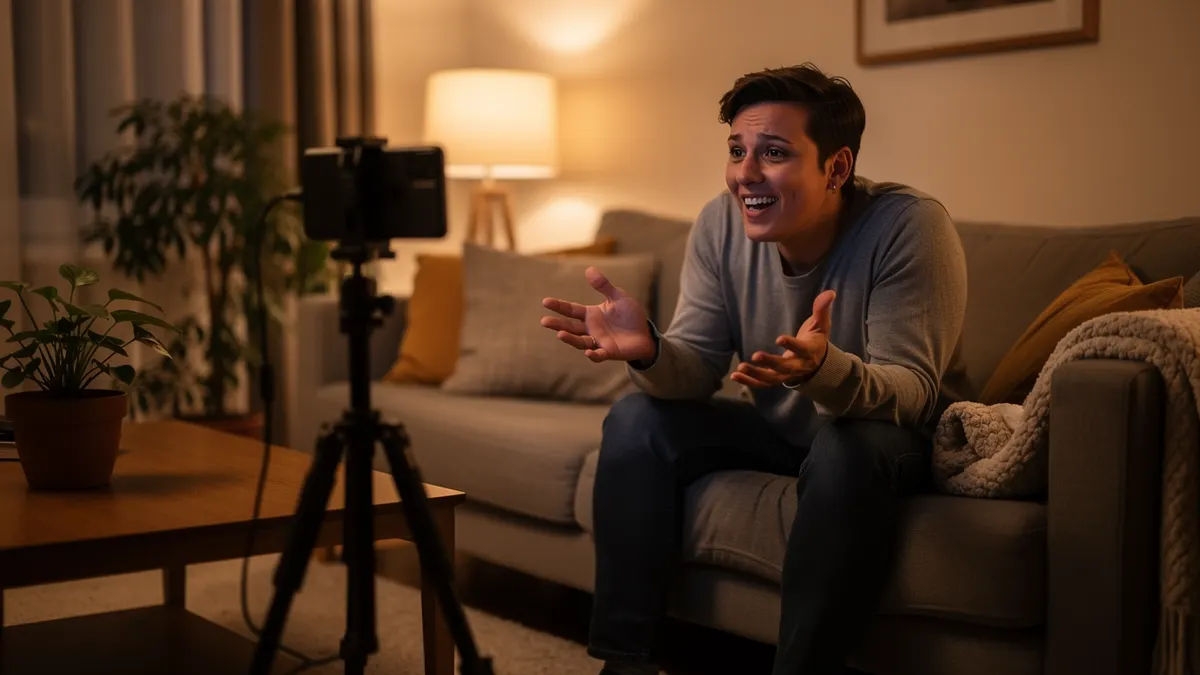
Service: you are being served, your hair is being cut, something is being prepared for you, a product is explained across a counter.
Learning: somebody shows you a gesture, and you are at the right distance to repeat it.
And the shared situation: a meal, a journey, a queue, a moment the audience has lived a hundred times.
Three situations where it rings false. When the camera's character has no reason to be there. When the person on screen talks to an audience rather than to one person. And when the set is too clean for the claimed situation.
The camera has to move like a person
That is the technical rule of the format, and it rules out the tripod.
A person moves a little, looks away for a second, hesitates before reaching out. A perfectly fixed camera turns the viewer into furniture.
Four moves making a POV credible.
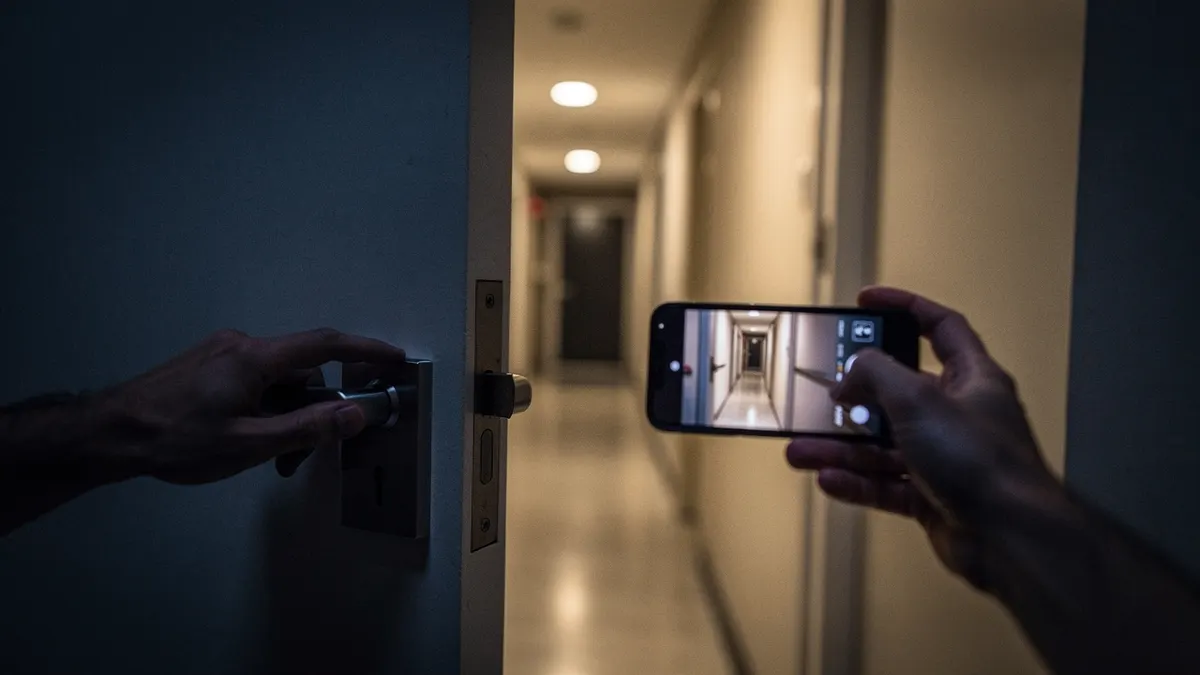
Hold it in hand, elbows locked against the body, with no gimbal.
Put the lens at the height of the character's eyes, seated if they are seated.
Turn your head towards what you are shown, with a slight delay, like somebody following.
And let a hand enter the frame from time to time: the viewer's hand, taking, offering, refusing.
Two limits: no shot longer than twenty seconds without micro-movement, and never a zoom, which no eye performs.
On-screen text is part of the format
It does not describe the scene, it gives the viewer their place.
Three effective uses. The opening line situating the situation in five words. The character's thought, saying what is not said out loud. And the aside answering the objection at the moment it forms.
Three writing rules. Only one line on screen at a time. Placed at the top of the frame, never in the area taken by the interface. And read aloud: POV text is written the way people speak, with local words, and a phrase learned elsewhere is heard immediately.
What the format demands technically
| Element | What is needed | Why |
|---|---|---|
| The camera | Fixed at eye level | The gaze must match |
| The sound | A mic on the body | The hands are busy |
| The gesture | Slow, inside the frame | Hands leave the frame fast |
What makes the point of view credible
A shot that starts before the action and ends after it. A cut in the middle of the gesture breaks the illusion and turns the scene into an ordinary edit.
What is rehearsed before recording
The path of the hands, twice, with no camera. A hesitant gesture shows even more in this format, because the viewer is meant to be the one in control.
What to ask the brand
Four points, before accepting a POV.
Who the camera is, in their view: if they have no answer, it is up to you to propose one and have it approved.
What the character is allowed to see and touch, especially if a third party appears in frame.
The on-screen text: who writes it, and who approves the final version.
And the advertising disclosure, still mandatory in this format as anywhere, visible from the start, with exact forms to be checked with the competent authorities.
One last shooting point, often forgotten: if unwarned people appear in the frame, their permission is needed, and that is prepared beforehand, not in the edit.