Audio audiences are loyal and cheap to reach. Here is how to make the video and the read work together.
The mention and the video reinforce each other
Three reasons, and they come from how the two channels work.
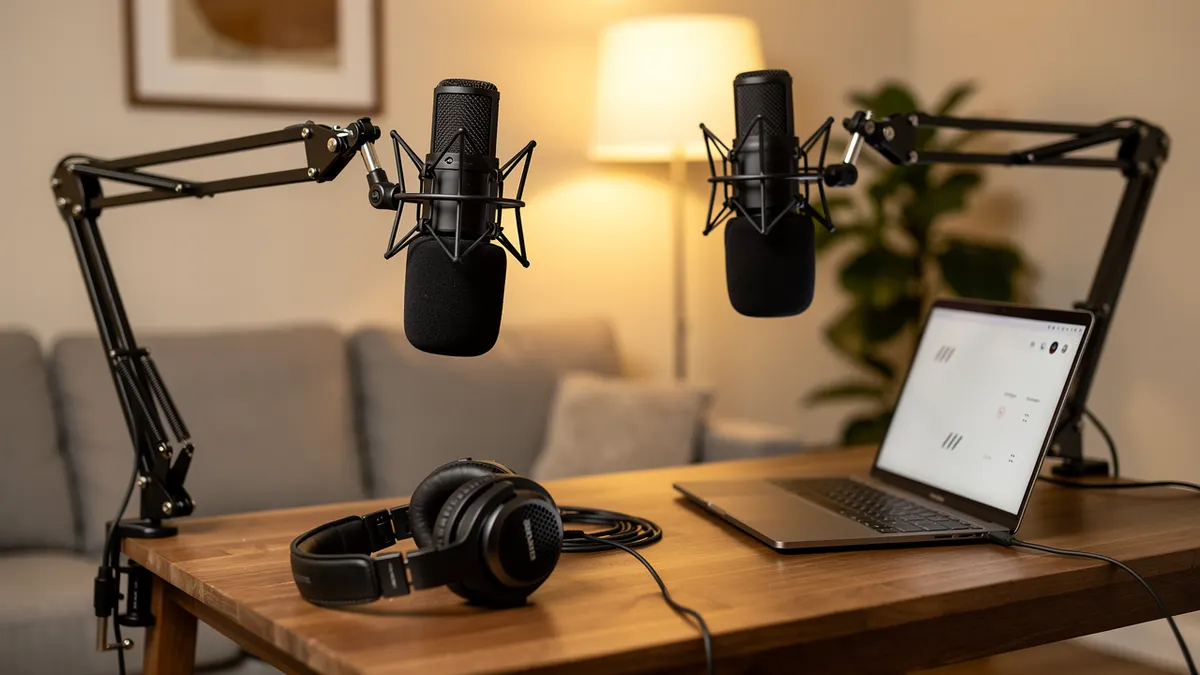
Audio builds trust over time: the person listens to the same voice every week.
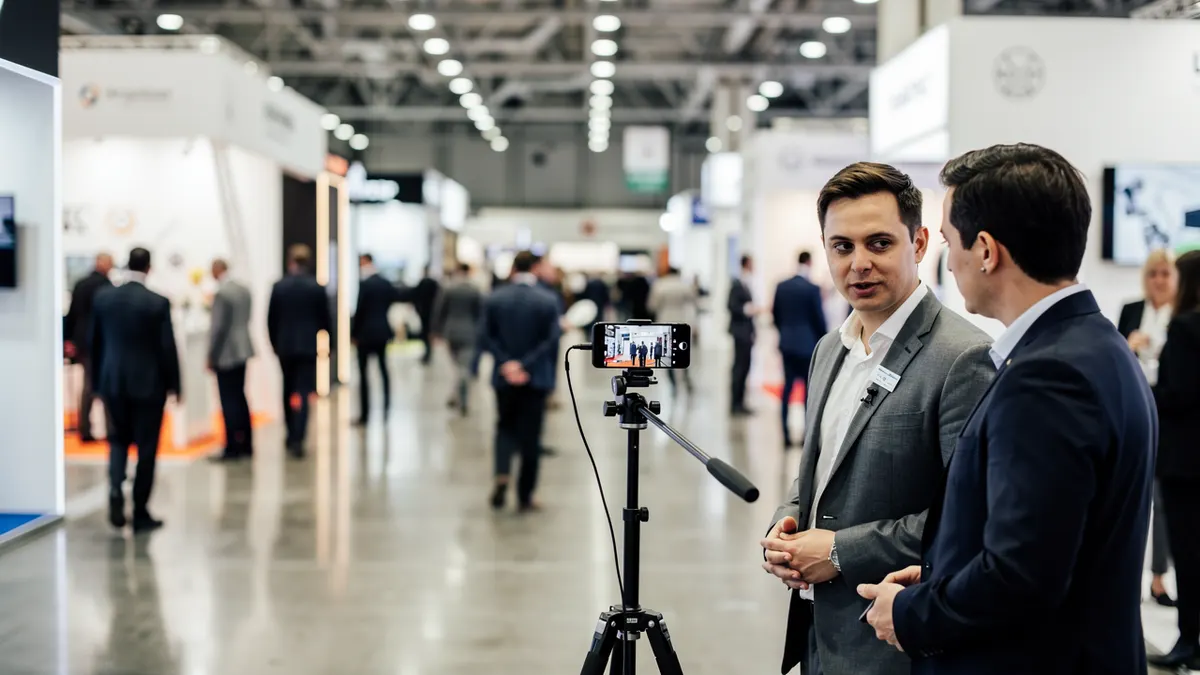
Video brings the visual proof: the size, the action, the result.
And the combination solves the main problem of each: audio shows nothing, video does not last.
One simple method: the audio mention points to a short video, and the video repeats the exact sentence spoken in the episode. Recognition does the rest.
Have the host genuinely use the product
Four brief rules, and one prohibition.
Supply the information, not the text: what to say, what not to say, the mandatory statements.
Leave the wording to the host, in their own words, hesitations included.
Ask for an honest reservation: what they liked less makes the rest credible.
And set the length, in seconds, not in the number of points to cover.
The prohibition: no improvised claim in a regulated category. In those cases, the text is approved word for word before recording, with a lawyer.
Niches beat large audiences
That is this channel's particularity, and it changes how you buy.
A specialised show gathers a few thousand people sharing a precise interest, and that closeness is worth more than a large, distracted audience.
Three selection criteria, in this order.
The fit between the subject and the product, which outweighs the number of listens.
The regularity of publication, which indicates an established audience.
And how the host handled their previous sponsors: if they read a script, yours will be read too.
The advertising disclosure
It is owed in this format as anywhere, as soon as there is consideration.
Three practical points. It is announced at the start of the passage, in the show's language, in ordinary words. It also appears in the episode description. And it remains if the extract is republished elsewhere.
The exact expected forms are checked with the competent authorities and with a lawyer, before recording.
How to measure without fooling yourself
Three methods, in order of reliability.
A different address or code per show, never shared between two.
The question asked at sign-up: where did you hear about us, with a free-text answer.
And the comparison of weeks with and without broadcasting, over a long enough period.
Two frequent mistakes. Judging in three days: audio is consumed late, part of the listens arrive a week later. And attributing to the last click: this channel rarely produces the click, it produces the memory.
What each format brings to a partnership
| Format | What it gives | Its limit |
|---|---|---|
| The host reading it | The backing of a known voice | No image of the product |
| An inserted video | The product seen in use | A break in the rhythm |
| A video clip released separately | A second life for the message | An extra edit |
What is prepared before recording
A short approved script, the exact product name, a verifiable offer and the partnership disclosure. A host who improvises almost always gets a detail wrong.
What must be said out loud
That the segment is paid for. The disclosure is spoken, not merely slipped into the description, to be confirmed with a lawyer.
What to state in the agreement
Five lines, before recording.
The format: read mention, conversation, or integration into the subject.
The position in the episode, and its length.
The availability period: an episode stays listenable for years, which is not the same thing as a limited broadcast.
The rights on the audio extract and on the episode video, which are two separate purchases.
And what happens if the product changes, if the price changes, or if the offer mentioned no longer exists, knowing that the episode itself stays online.