Your support inbox already contains the brief you are trying to write. Nobody reads it for that purpose, and it is the cheapest source you have.
How to extract it
Take three months of messages and count, instead of remembering.
The pre-purchase questions, the reasons for returns, the three-star reviews, the comments under your posts, the conversations left unanswered. Sort by frequency, keep the top five.
The three-star reviews are the best source of the lot: they are written by people who bought, who are not angry and who explain precisely what was missing.
The typical objections in Spain
They look alike from one sector to another.
The delivery time and its real coverage, islands and remote areas included. The returns procedure, who pays and how long it takes. The possibility of speaking to somebody in their language if the service goes wrong. The means of payment accepted and the moment of the charge. And the question rarely put into words: is this a real company or a shop that will have vanished in three months.
How that becomes a video
Four beats, forty seconds, no production.
The customer's sentence, said as it is. The answer in one sentence. The proof shown on screen, not stated. And the honest limit: what is not covered, what takes longer, who it does not suit.
That last part makes the difference, because it is the only one competitors never say.
What makes the answer credible
Showing rather than asserting.
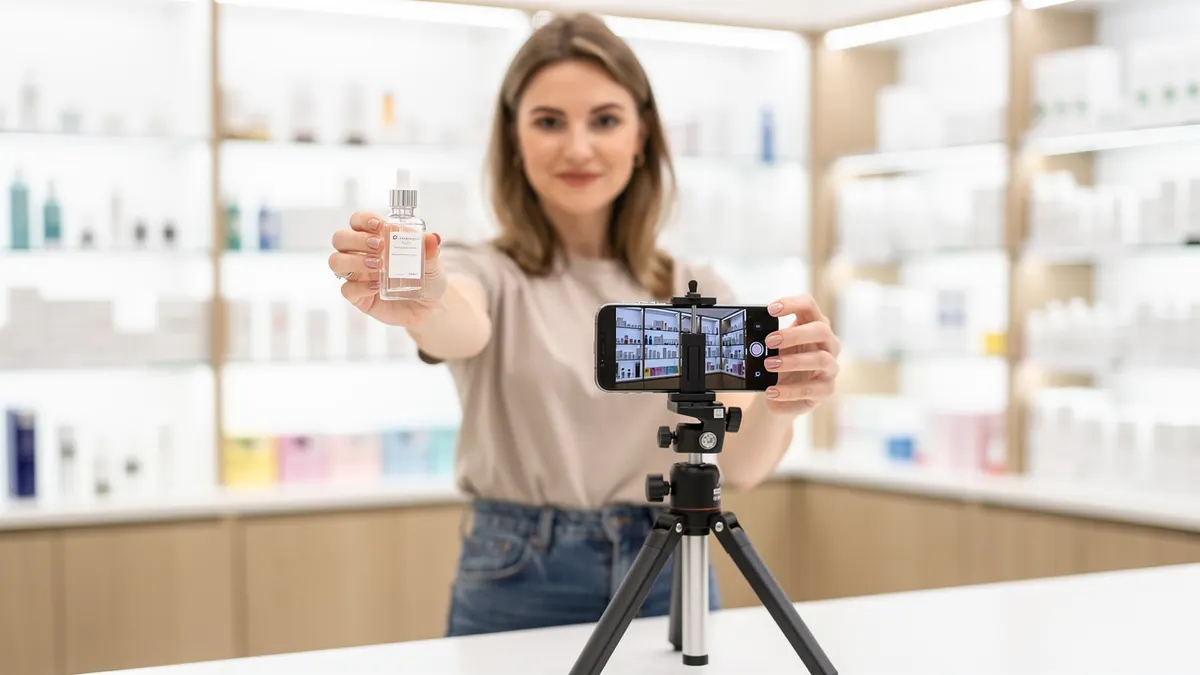
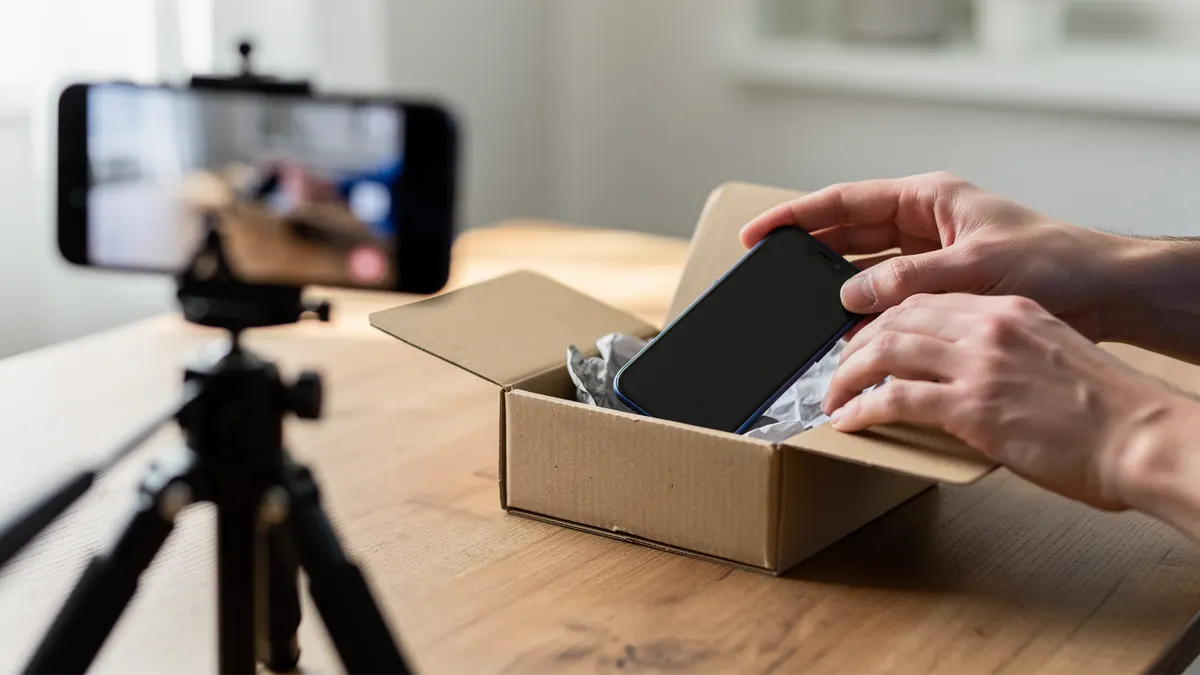
A label filmed close up, a parcel opened in one take, a returns form filled in on screen, a counter running while somebody waits on the phone. What is seen is verified; what is said is argued about.
And when the objection is founded, acknowledge it. A brand that admits a limit becomes credible on everything else.
Where to put them
On the product page, at the exact point where the hesitation appears.
Then in ads to people who visited without buying, as an automatic reply in the inbox, and as a direct link support sends instead of retyping the same explanation.
That last use is the one everybody forgets and the one that saves the team the most time.
What not to do
Arguing against the customer, promising beyond what you deliver, or turning an answer into comparative advertising.
Claims about safety, health, origin or a distinction fall under precise rules depending on the sector: they are checked before going live, with a lawyer in case of doubt.
The three objections that keep coming back
| The objection | The answer on video | Length |
|---|---|---|
| The price | What the product replaces | 10 s |
| The delivery | The real parcel on arrival | 8 s |
| The return | A clear sentence about the process | 5 s |
What makes an answer credible
Showing rather than stating. A video opening the parcel answers the delivery question without a word, whereas a reassuring sentence with no image adds nothing.
What never goes into this type of video
A quantified delay, a stock figure or an approximate return condition. These three change, and an expired promise turns the reassuring video into grounds for a dispute.
How to know it worked
Not by the views.
Look at whether the number of messages on that theme falls in the following weeks, and whether the return rate tied to that reason recedes. It is the only measure that counts, and it is available in your own systems.