What buyers check before coming in, which creators are credible, and the formats that fill a dealership.
The vehicle is kept, so it is maintained
Four direct consequences for what to show.
The cost of a service, clearly stated, becomes a selling argument.
The availability of wear parts conditions the purchase as much as the displayed price.
The repair network counts: a model any workshop can repair sells on better.
And the history sells: a used vehicle with its service invoices is worth more, and showing that on video proves it.
One production consequence: filming the workshop costs less than a road test, and often converts better.
What really converts
Five sequences, in decreasing effectiveness.
The test in real conditions: dense city, road, loaded, parking.
The tour of the workshop and the parts store.
The explanation of financing, treated as information and not as advice.
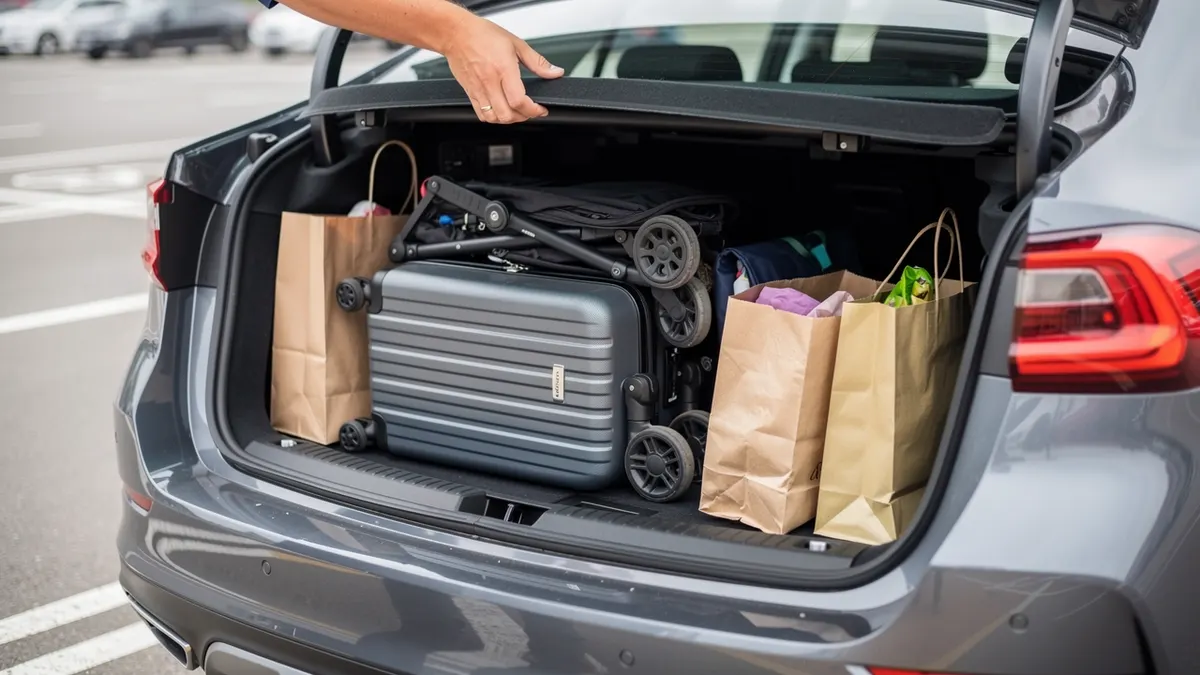
The boot loaded for real use: shopping, suitcases, tools.
And the answer to the most frequent objection, taken from questions put to the dealership.
One shot to avoid: the vehicle filmed in slow motion on an empty avenue. It looks like every advert in the sector and answers no question.
Which creator to hire
Three profiles, in decreasing credibility.
Somebody driving this type of vehicle daily, in the country's real conditions.
An independent mechanic, for servicing explanations: that is the sector's most credible voice.
And a salesperson from the dealership, last, for practical information only.
One decisive technical criterion: the ability to film a car interior properly, which means handling backlight and road noise.
The brief, and what cannot be claimed
Four prohibitions, to approve with a lawyer before the shoot.
Consumption figures, unless supplied and documented by the manufacturer.
Direct comparisons with a competing model.
Promises about future resale value.
And safety claims, which are particularly regulated.
One rule protecting everybody: the creator describes what they did and observed, the dealership supplies the figures and the statements. That division avoids most problems.
Financing, to handle methodically
Three principles, in a country where it often decides the purchase.
The number of instalments and the conditions are not said out loud: they appear as on-screen text, so the video stays usable when the offer changes.
The sequence goes after the demonstration and before the price.
And the creator never advises taking on debt: they describe a payment method, nothing more.
One useful arrangement: shoot that sequence as a self-contained module, replaceable at the edit without redoing the video.
What this sector orders
| The buyer | Their typical order | Their condition |
|---|---|---|
| A dealership | Presenting a vehicle | A masked number plate |
| A garage or parts supplier | Fitting an accessory | A gesture matching the manual |
| A car-care brand | Application and result | No performance promise |
What you never quantify yourself
Fuel consumption, range, power. Those values are measured under official protocols and communicated by the manufacturer with their method, or they are not quoted at all.
What to check before publishing a vehicle shot
The reflections. A windscreen returns the entire car park and dark bodywork acts as a mirror, bringing plates, faces and logos into frame that have no business being there.
The calendar
Three moments concentrate demand.
The end of the year, a period of bonuses and significant buying decisions.
The start of the year, the moment of price changes and new financing offers.
And periods of strong economic uncertainty, during which the content has to move towards servicing and used vehicles rather than new ones.
One economical practice: produce a batch of three videos in the same day, a test, a workshop tour, a practical information piece. The cost per video falls sharply and the dealership has a quarter's worth of content.
One last marker, valid for the whole category: measure test-drive requests and calls, not views. A workshop video generating ten visits is worth more than a spectacular one seen ten thousand times by people who will never buy.