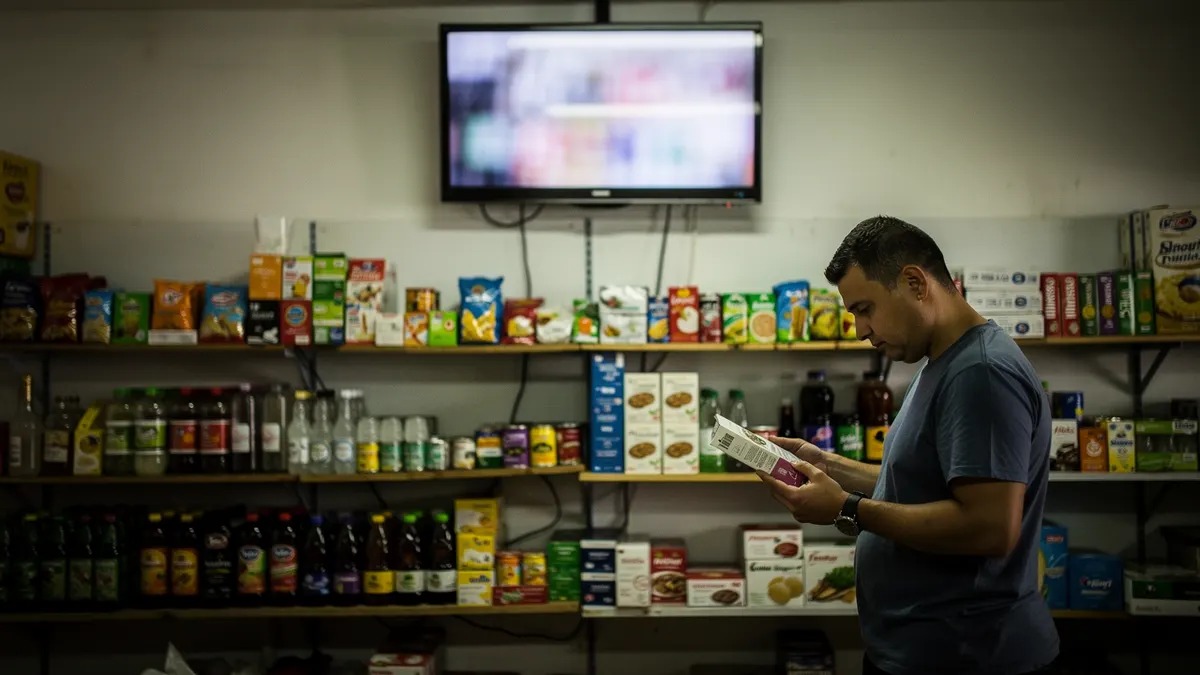
Purchases in February with December's money, a list supplied by the school, and a family counting every item.
The list commands everything
Three practical consequences.
The video's vocabulary must be the list's, not the catalogue's: the person is looking for a precise word, and will not find it if it is reworded.
Quantities count as much as products: what is sold in packs must be shown in packs.
And order matters: film in the order of the list, not in the order of your range.
Durability comes before price
That is the inversion surprising brands from elsewhere.
A cheaper item that does not last a term costs more than an item paid for once. This family knows it, has lived it, and buys accordingly.
Three proofs to film. The item after three months of real use, with the marks. The seam, the zip, the hinge opened twenty times. And what can be replaced separately when one part breaks.
A video in this category showing a new object in beautiful light proves nothing at all.
Instalments and bank promotions
That is the mechanism deciding the day of purchase.
Back-to-school spending is rarely settled in one go: it is spread, and the day the family buys often depends on their bank's conditions rather than on the shop's promotion.
Two rules for the video. The creator may say where the information sits on the page and recall that paying in instalments is not a discount. They never quote a number of instalments or a rate: those elements depend on the institution and change often, and their mention follows precise rules, to be checked with a lawyer before publication.
Two audiences, one budget
That is what makes this category hard to write.
The child chooses on the pattern, the colour, the character.
The adult decides on durability, capacity, price and compliance with the list.
The video that works speaks to the adult while showing to the child. A video addressing the child directly to push them to demand a purchase leaves the acceptable frame, and the rules applicable to advertising aimed at children are checked with the competent authorities before publication.
Shoot in December
That is the calendar constraint, and it is simple.
The new school year plays out in February, but everything is prepared before: lists circulate early, shops stock up, and content must be online when families start comparing, which is from the end of January.
Three production rules. Shoot in December, while creators are still available. Show no price: they will move. And plan a variant with no back-to-school mention, which will serve for the mid-year restart, when part of the equipment gets replaced.
What families look for, in order
| Moment | The question asked | The content that answers |
|---|---|---|
| Before the list | What to buy | A filmed summary |
| With the list | What lasts a year | A durability test |
| The day before | What is still missing | A shot of the shelf |
What to show on a school bag or a pencil case
The weight carried, the seams, the zip opened a hundred times, and the size compared to an exercise book. Those shots decide, never the colour.
What stays out of frame
The child's face, unless both parents consent in writing. A shot of hands and a desk tells the same story and needs no permission.
The piece that is always missing
One single one, and it takes ten minutes to shoot.
The end-of-first-week video: what has already broken, what has been lost, what has to be rebought straight away.
Nobody produces it, everybody looks for it, and it arrives at the exact moment the family is ready to spend a second time.