Here the holidays fall in high summer, and the season runs on to Epiphany. Two differences that make almost all imported Christmas content unusable.
A Christmas Eve at thirty degrees
That is the starting point of everything, and it is not cosmetic.
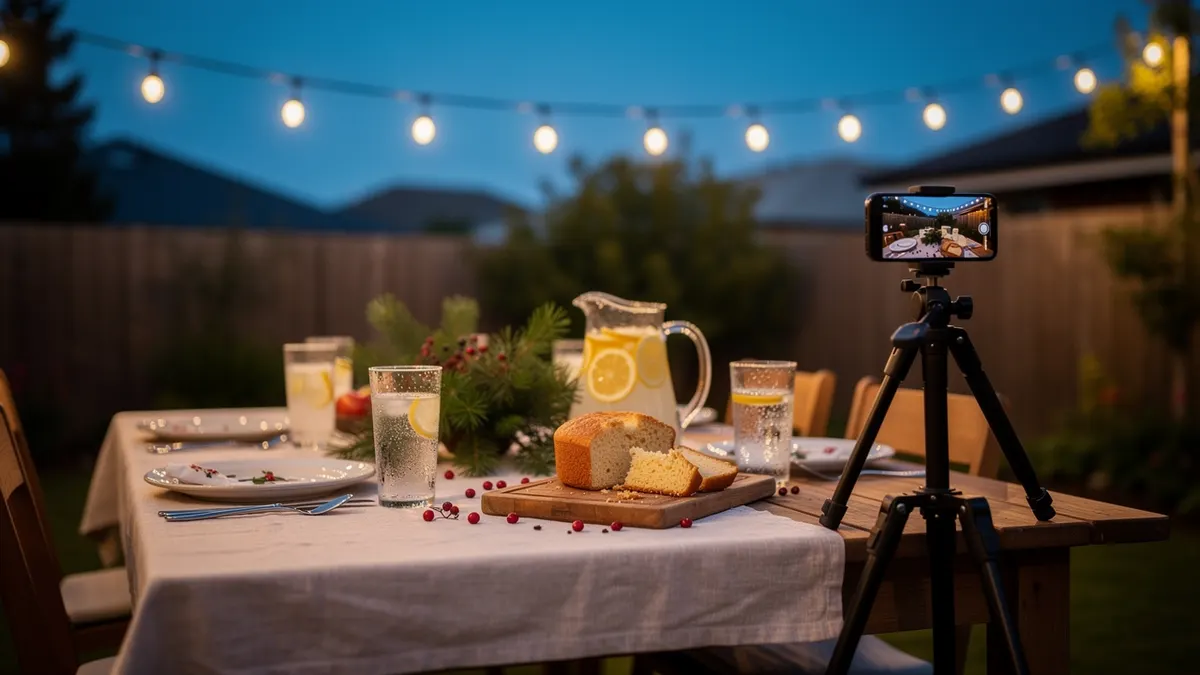
The meal is eaten late, often outdoors, in a heat that decides the products consumed: cold drinks, ice cream, grilled meats, salads, fans, inflatable pools.
A snowy set, a jumper, a fireplace or winter light create no identification. On the contrary, they signal that the brand is speaking from elsewhere.
The production rule is therefore simple: shoot outdoors, in warm end-of-day light, with light clothing and visible sweat. That is what people will see at home the same evening.
What that changes in practice
Four shooting decisions follow from the season.
Food products are filmed at their real serving temperature, which means different preparation and short takes.
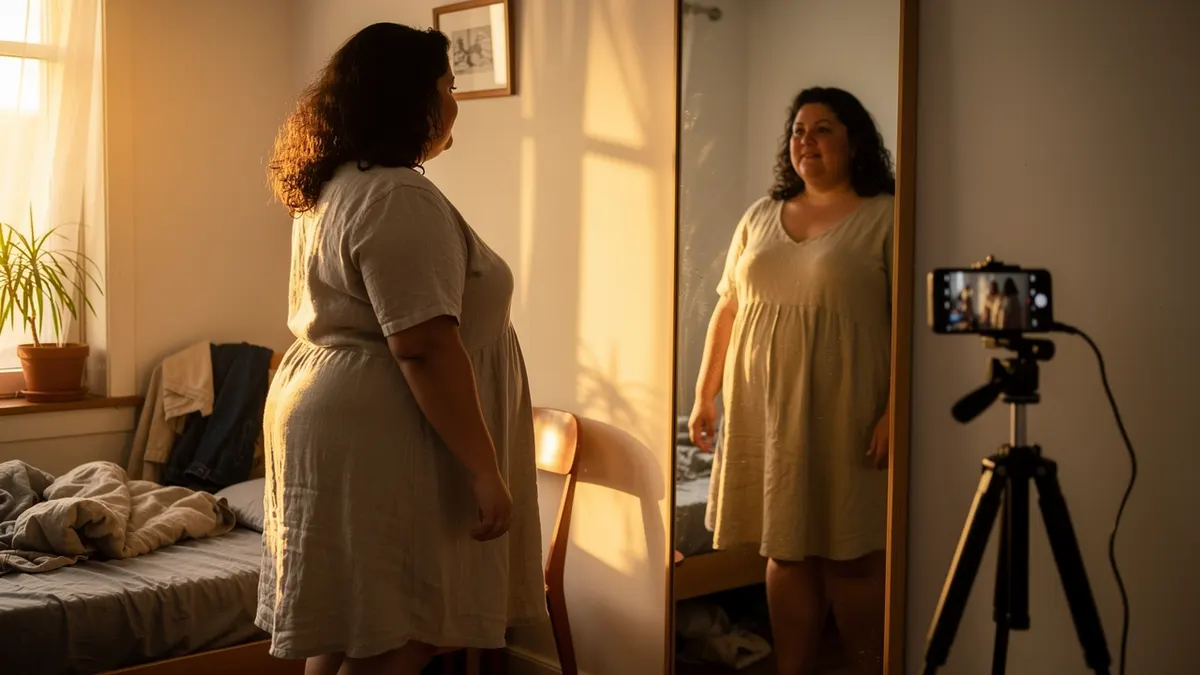
Make-up and skincare must take the heat into account, otherwise the filmed result does not resemble the real one.
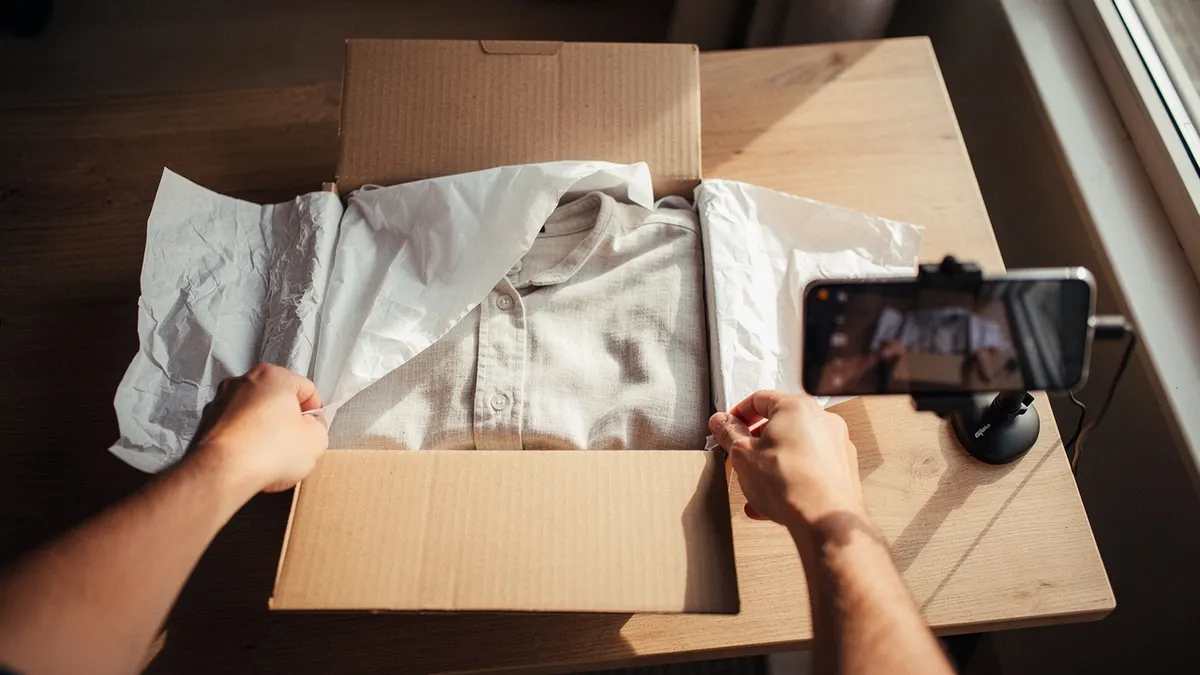
Clothes and accessories are shown worn outdoors, not in an air-conditioned interior.
And electronics or toys must be tested in summer conditions: direct sun, sand, water, dust.
The real calendar
Three windows, and the third is almost always ignored.
The first starts well before December, when people compare, look for ideas and note prices.
The second is the week before Christmas Eve, when the purchase is decided fast and availability counts more than the argument.
The third runs from 26 December to 6 January, carried by Epiphany. It is a distinct window, with its own products, often toys and gifts for children, and with far less competition.
The content of that third wave is shot at the same time as the rest, not in January.
What follows immediately
Two periods brands leave empty.
The January restart, with back-to-school preparations and holiday equipment.
And the holidays themselves, which move the audience to the coast and change the uses: beach products, transport, food storage, sun protection.
A brand extending its campaign by two weeks after Epiphany finds itself alone in front of an available audience.
A calendar that starts in September
| Moment | What people search for | What you deliver |
|---|---|---|
| September and October | Ideas, without urgency | Filmed selections |
| November | The price comparison | The demonstrations |
| December | Delivery on time | The messages about deadlines |
What the season imposes on the shoot
Here the period falls in summer: a video shot indoors with a wintry set rings false. Film the heat, the table outside, the long evening light.
What is checked before the final week
The order cut-off, the stock and the real lead time. Past that point, a video selling a gift that cannot arrive in time turns against the brand.
The creator to choose
Two criteria, and audience is not one of them.
The person must live the season as it is here: heat, travel, extended family, a constrained and often shared budget.
And they must accept shooting early, in October or November, for content published six weeks later.
Add a contractual rule: buy the rights until the end of January at least. A holiday campaign stopping on 25 December leaves the second half of the season with no content.
Finally check the mentions applicable to promotions and displayed prices, which follow their own rules, before publication.
Sources
Checked on 4 September 2026. Thresholds and rates change: where this guide and the official source disagree, the official source is right.