Guadalajara is the second UGC market in Mexico and, for many creators, the more comfortable one. The demand is real, the client mix is unusual, and the number of creators competing for each brief is a fraction of what it is in Mexico City.
What the local economy actually buys
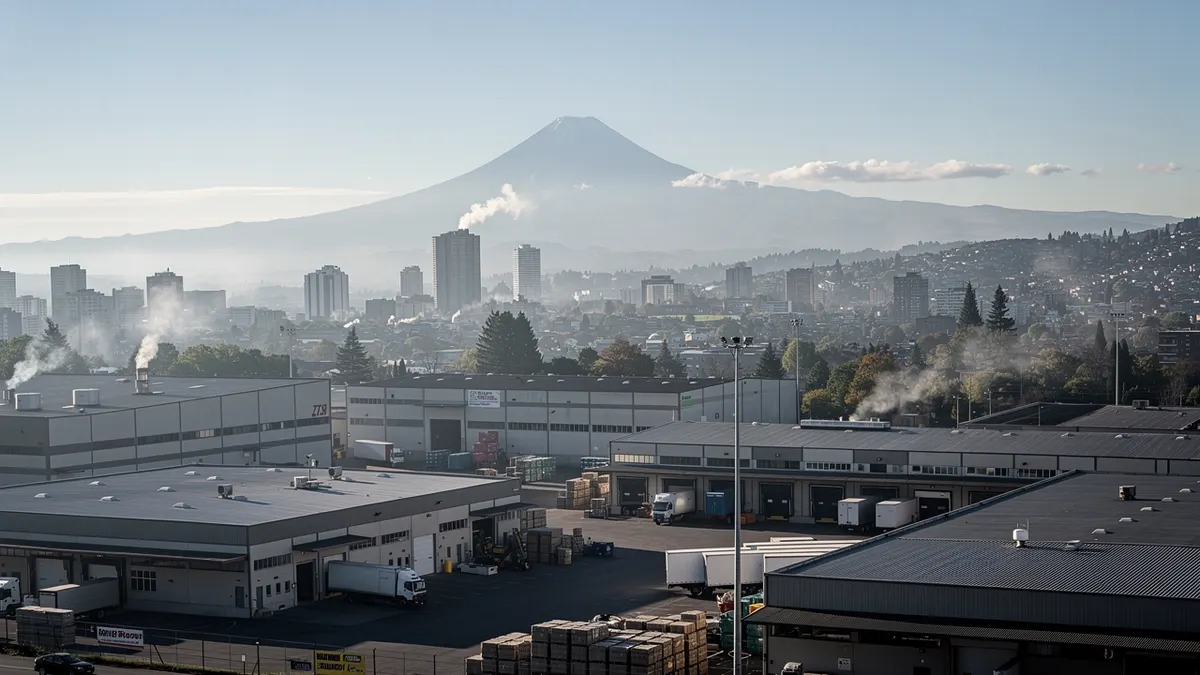
Three engines drive content demand here. The first is technology: Zapopan and the western corridor hold the development centres of large software and hardware companies, plus a startup scene that has been shipping products for a decade. Those companies need explainer video, recruitment content and product demos, and almost none of them have a studio.
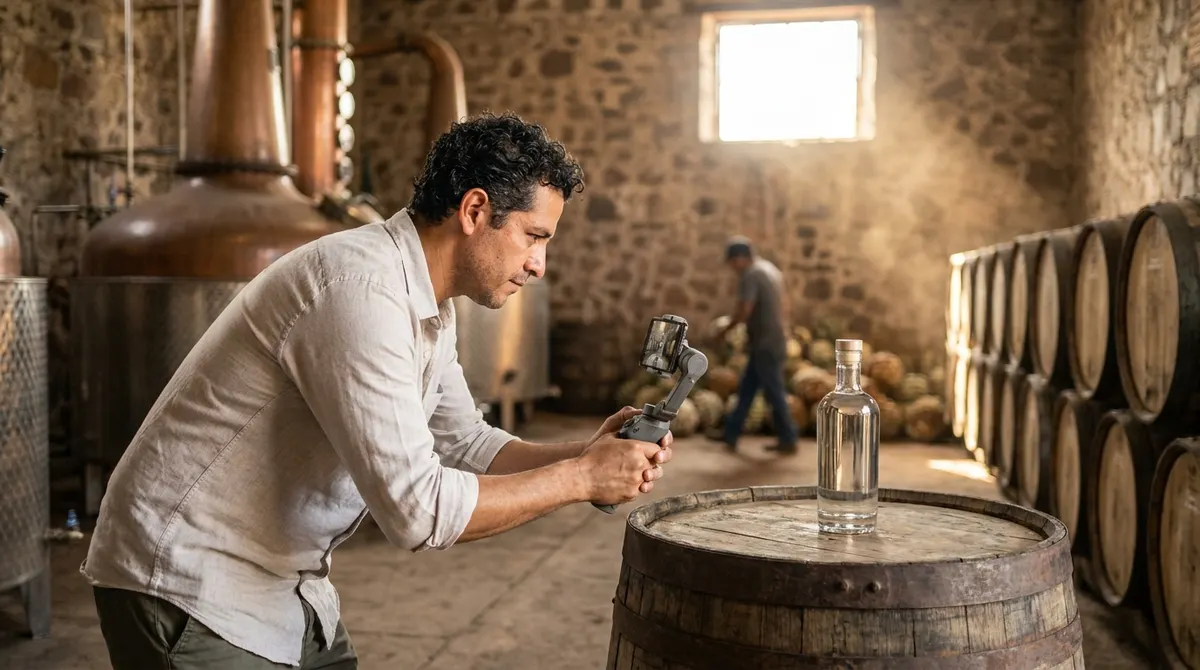
The second is agave country. Tequila, Amatitan and Arandas are an hour or two away, and the brands built around them sell an experience as much as a bottle: distillery visits, harvest, cocktails, pairings. Alcohol has its own advertising rules, so the useful creator is the one who knows how to sell atmosphere without inviting anyone to drink.
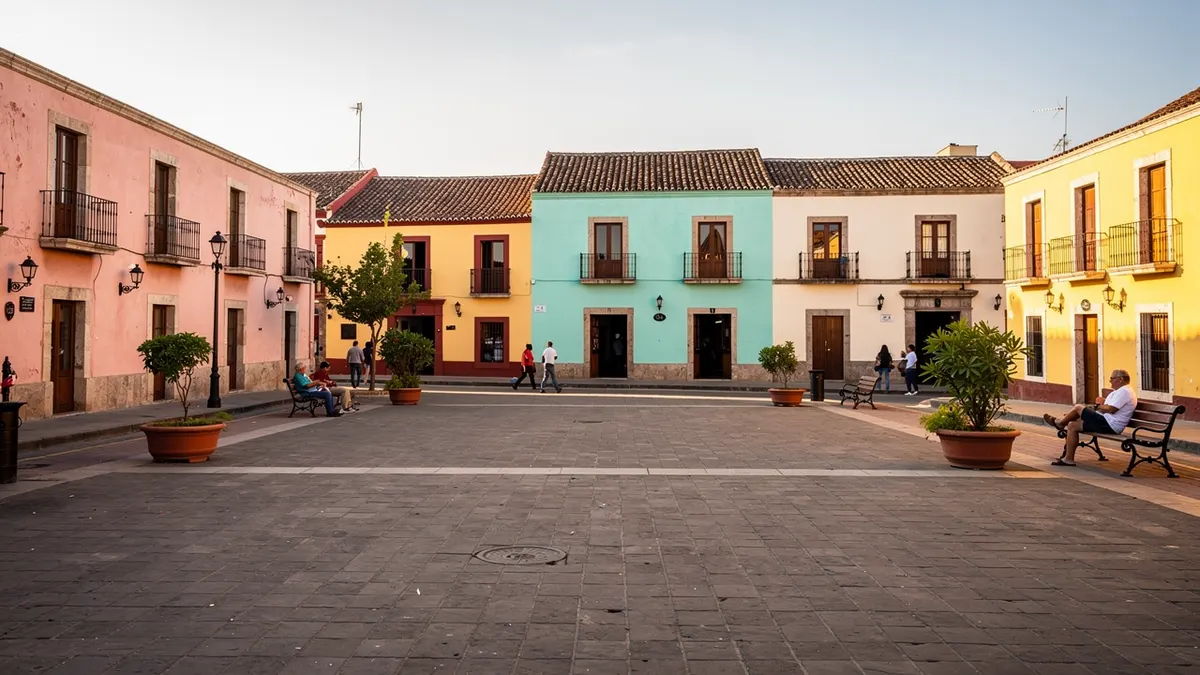
The third is fashion and retail. Guadalajara hosts one of the biggest apparel trade fairs in Latin America, and the local labels that show there sell through Instagram all year. Add the premium retail corridor in Zapopan, the food scene built on birria and tortas ahogadas, and a student population of several hundred thousand, and you have a city that needs vertical video every week.
Less competition, and what that changes
In Mexico City a brand receives twenty proposals. In Guadalajara it often receives three. That changes your strategy in two ways.
First, direct outreach still works. A specific message to a marketing manager, with two examples that look like their product, gets read. Second, you can become the recognisable local option in a category instead of one profile among many: the person brands in agave tourism call, or the one who shoots for tech companies and can explain a product without sounding like a sales page.
Rates and the cost gap
Local rates sit slightly below the capital, but so does everything else, and the gap is smaller than creators fear. A single video for a local business commonly starts around 700 to 1,300 pesos. With a portfolio, 1,800 to 4,000 pesos per video, and packs of three to five between 5,000 and 12,000 pesos.
The interesting part is that a Guadalajara creator sells to Mexico City at capital prices. Remote briefs do not care where you live, and agencies happily work with someone who answers fast and invoices correctly. Many creators here build half their income from local clients and half from national brands they have never met in person.
The paperwork that unlocks the good clients
The rule is the same across the country: a company pays a supplier who can issue a CFDI. Registering with the SAT, usually under the Regimen Simplificado de Confianza, is what makes you eligible for the tech companies, the distilleries and the retail groups, and those are the clients with recurring budgets.
Remember that a company withholds part of the invoice and pays it to the SAT for you, so the deposit is smaller than the invoiced amount. Price with that in mind rather than discovering it on the first transfer.
A practical way to start
Pick two categories that match your city, not the ones that trend online. Film six pieces on your own: two food, two fashion or beauty, two product demos with a clear explanation. Shoot them near a window, in the morning, with clean audio. Then send them to ten local brands you actually use, with a rate and a delivery date.
That sequence produces a first paid job faster in Guadalajara than in the capital, precisely because fewer people are doing it.
What each sector orders
| Sector | What it buys | Frequency |
|---|---|---|
| Technology | An app demonstration | Monthly |
| Craft | Know-how, gesture, material | Seasonal |
| Town-centre retail | The current offer | Occasional |
What is filmed in a workshop
The hands, the tool, the material before and after, the real time of one step, the finished object in its packaging.
What to ask before filming a craft
What may be shown, what stays confidential, who appears on camera and who approves the edit.
Where to go next
Guadalajara rewards specialists. To turn a local portfolio into steady work, our guide on how to become a UGC creator covers pricing, usage rights and the outreach that gets answers.
Publish your creator profile →---
Sources
Checked on 26 August 2026. Thresholds and rates change: where this guide and the official source disagree, the official source is right.