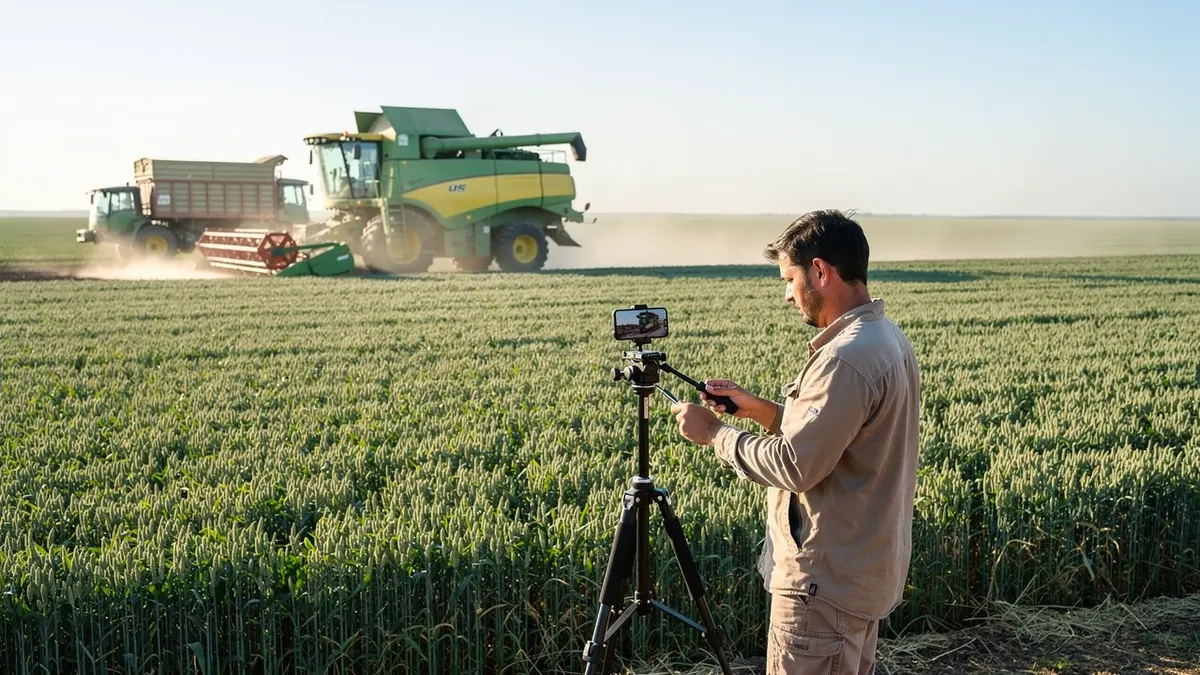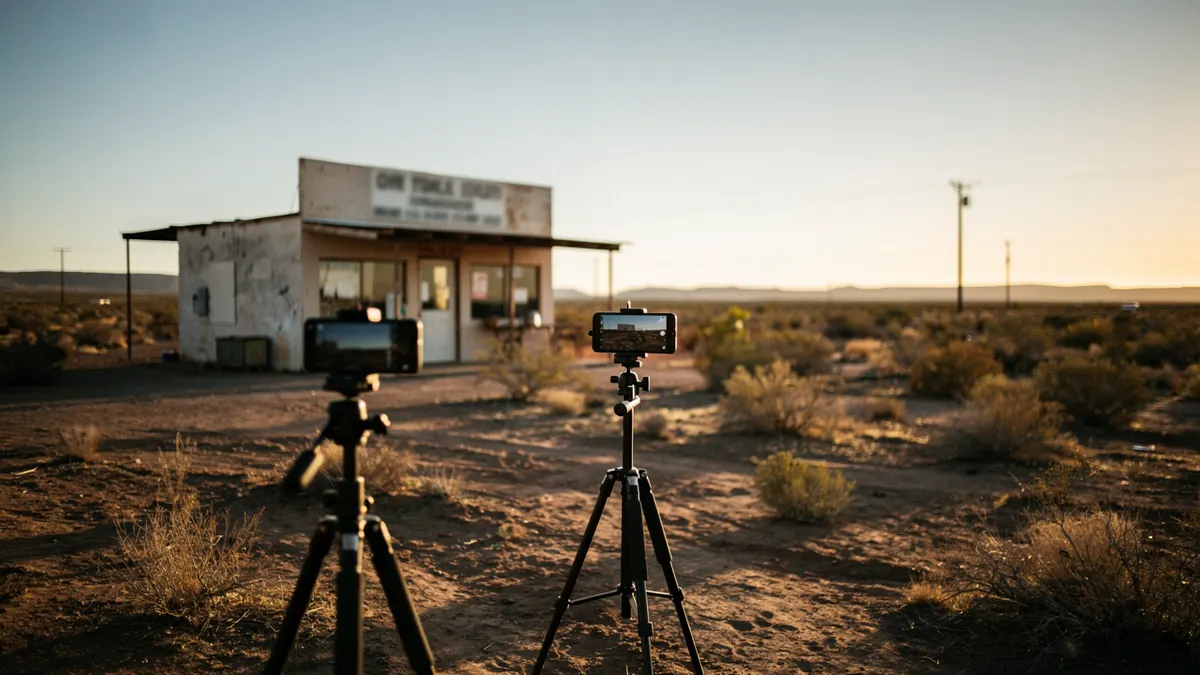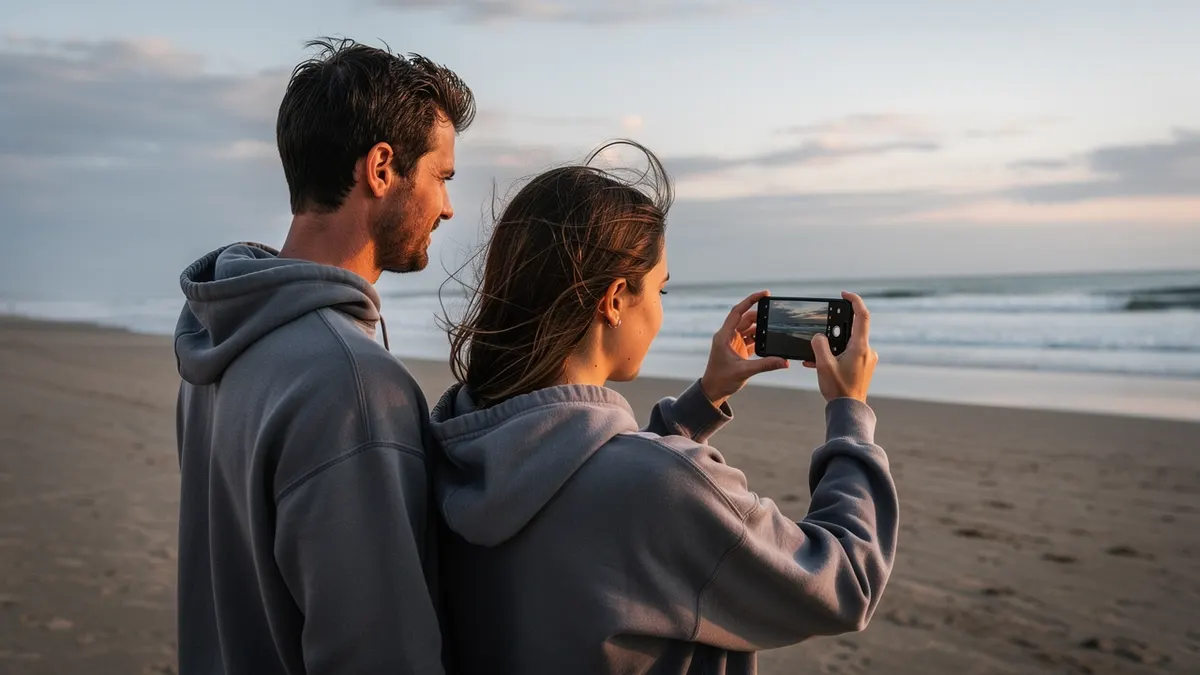
Mar del Plata works to the rhythm of summer. Between December and February the city multiplies its population, local businesses bill a year's revenue in three months and demand for content explodes. The rest of the year the tide goes out. For a creator working in user generated content, understanding that seasonality is not a detail, it is the business model.
A seasonal economy of sea and textiles
Tourism leads, but it is not alone. The city has a fishing port and a food industry, a textile tradition that survives in local knitwear brands, a theatre season that moves press and audiences, and urban retail serving half a million residents all year.
That mix gives a creator something valuable: beach, food and city backdrops in the same place, available without travelling.
The categories that hire in Mar del Plata
- Tourism and hospitality: hotels, short term rentals, beach clubs and excursions, which sell the experience months before summer.
- Food: fish restaurants, cafes, ice cream shops, alfajores and food brands that ship nationally.
- Beachwear and knitwear: swimwear, light clothing and the local knitting tradition, with try on formats.
- Sport and outdoors: surfing, running, cycling and gyms, backed by a geography that makes it all credible.
- Health and aesthetics: clinics and centres serving residents in winter and tourists in summer.
- Real estate: seasonal rentals and sales, a high ticket category that produces almost no video of its own.
Working the peak and surviving the winter
The classic mistake is waiting for December. Hotels, beach clubs and estate agents build their communication between September and November, so pitches go out in spring, not in the middle of the season. A creator who shows up in October with two samples and a delivery date books the whole summer.
For the rest of the year, two strategies work. The first is diversifying into categories that do not depend on tourism: health, gyms, local retail, food. The second, and the most profitable, is selling outside the city: brands in Buenos Aires and abroad need beach, sun and summer footage exactly when the northern hemisphere is cold. A creator in Mar del Plata with access to the sea in January has a product almost nobody else can offer on that date.
Filming by the sea without ruining the footage
Two concrete enemies: wind and midday sun. Wind destroys more audio than anything else, and a cheap wind cover for a lapel microphone pays for itself in a single job. Hard sun burns colour and cuts sharp shadows: film early or in the last hour of the afternoon.
Add a third: salt. After shooting on the beach, clean your gear. It is the difference between a phone that lasts years and one that dies in two seasons.
What creators charge
In Argentina it pays to set the price in dollars and invoice in pesos at the exchange rate of the day, so inflation does not eat the gap between the quote and the payment.
As a reference: a single video for a local business starts at the equivalent of twenty five to fifty dollars. With a strong portfolio, seventy to a hundred and eighty dollars per video. Packages of three to five videos sell between two hundred and five hundred dollars. In high season the numbers rise because the calendar fills, and taking a deposit to hold a date is standard practice. Paid media rights and exclusivity are billed separately.
What gets shot in each season
| Moment | What you film | For whom |
|---|---|---|
| Winter | Empty venues, interiors, interviews | Accommodation and restaurants |
| Before opening | Rooms, terraces, menus | Bookings |
| High season | Atmosphere with no extras | Social media |
What fills the quiet months
Editing footage already shot, recruitment content and the shops open all year.
What is prepared for the next season
The list of venues, the date they decided and the content that worked best.
Where to go next
Mar del Plata offers a huge demand peak and a visual product the rest of the country envies in January. To turn that into paid work all year, our guide on how to become a UGC creator covers building the portfolio, setting prices and closing the first collaborations.