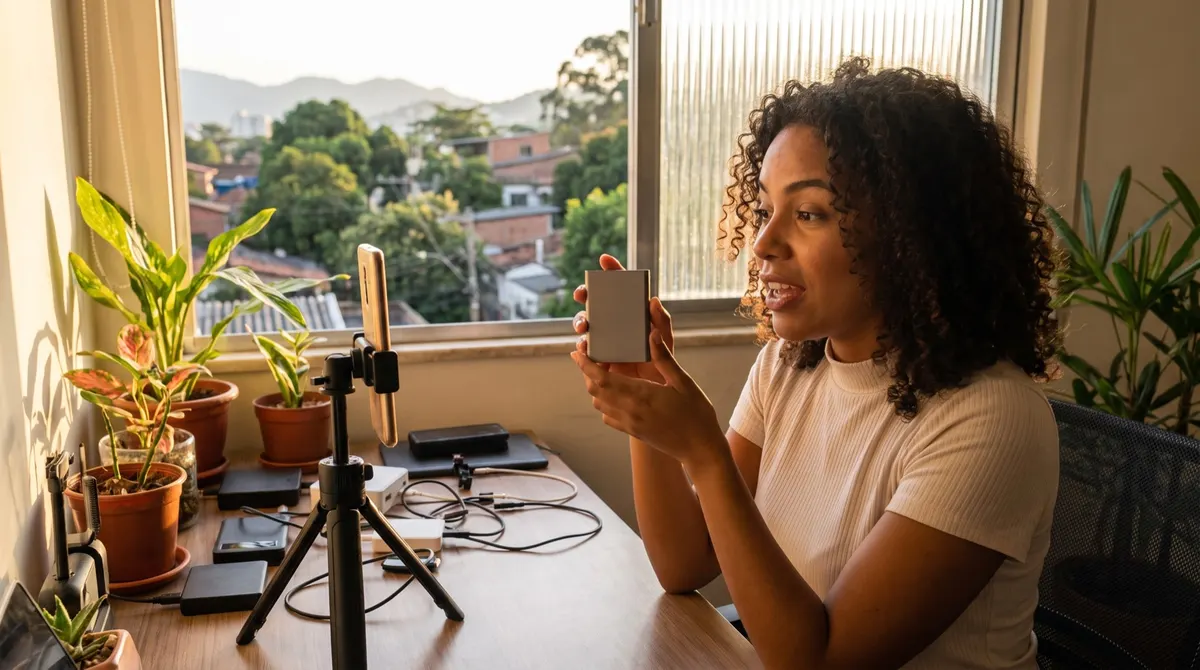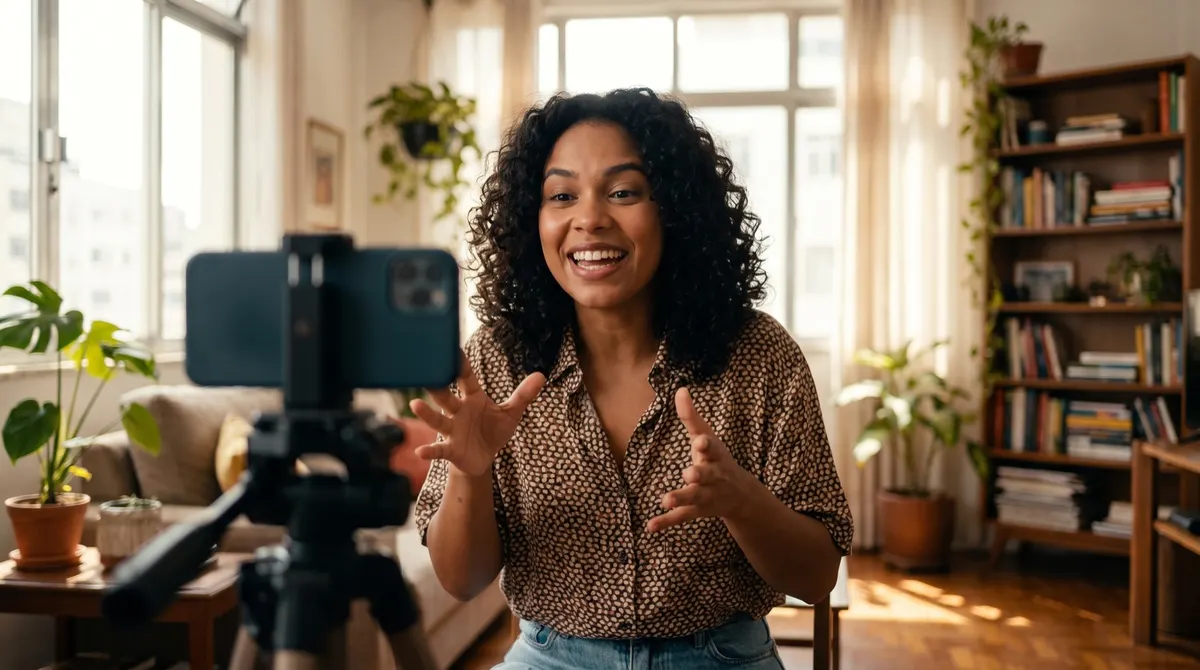
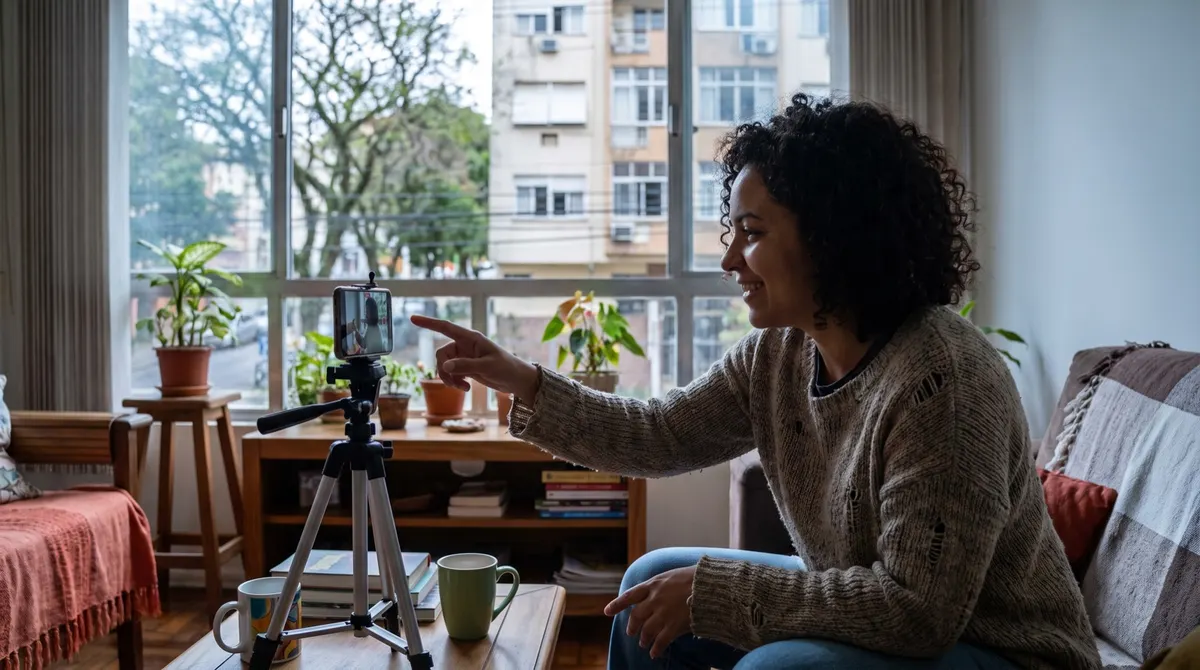
Porto Alegre rarely gets named next to São Paulo or Rio when people talk about Brazilian content, and that is exactly why it deserves a closer look. The capital of Rio Grande do Sul sits at the far south of the country, closer in feel to Montevideo or Buenos Aires than to the beaches of the northeast. Its UGC scene is smaller and tighter than the big two, built on a strong regional identity and a business base that leans toward agriculture technology, software and wine. For creators who live there, and for brands that want to sound genuinely local, that mix opens doors the giants cannot.
What makes the gaucho scene different
The first thing brands notice about creators from Porto Alegre is the accent and the attitude. Rio Grande do Sul has a culture that people carry with pride: the chimarrão passed around a circle, the churrasco on weekends, the flat vowels of the local speech, the border influence from Uruguay and Argentina. A creator who films naturally in that register does not sound like a generic national voice, and for a regional campaign that authenticity is the whole point. Southern brands often want a face that their own customers recognise as one of their own, and a creator based in the city delivers that without acting.
The flip side is scale. Porto Alegre has fewer agencies, fewer big brand headquarters and a smaller pool of full time creators than the southeast. That means less local competition for the briefs that do exist, but also that most creators cannot rely on their own city alone. The successful ones treat POA as a base and the whole country, plus clients abroad, as their real market.
The industries that actually hire
Demand in the region clusters around a handful of sectors that reflect the local economy rather than national trends. Knowing which ones are active helps a creator position a portfolio and helps a brand understand who is already fluent in their world.
- Agtech and agribusiness: Rio Grande do Sul is farm country, and the startups building software, machinery and inputs for that world need down to earth creators who can talk about a product without sounding like a city influencer.
- Software and tech: Porto Alegre has a real startup and IT cluster, with companies that need product demos, testimonials and short explainers filmed by believable everyday users.
- Wine and food from the Serra Gaucha: the vineyards and cheese and cured meat producers of the mountain region an hour north are natural UGC clients, selling lifestyle and terroir as much as product.
- Retail and services: local shops, clinics, gyms and restaurants that want steady social content without hiring a full production crew.
How local creators find brand work
Word of mouth still moves faster than anything in a market this size. A creator who does a good job for one Serra Gaucha winery tends to get passed to the next, because the owners know each other. Beyond referrals, the practical channels are the ones you would expect: local marketing and social agencies that outsource content, LinkedIn for the B2B and agtech crowd, Instagram DMs for smaller brands, and creator marketplaces that connect them to clients far outside the state. Many creators combine all of these, using regional work to build a reel and using platforms to reach budgets that Porto Alegre alone would never supply.
Delivering remotely from the south
None of this requires the client to be nearby. The standard UGC flow fits a creator in Porto Alegre perfectly: read the brief, film at home or on location, edit on a phone or laptop, upload the files. A brand in São Paulo, Lisbon or Miami never has to know where the footage was shot. Products arrive by courier, feedback happens over chat, payment lands online. What sells a southern creator to a distant client is a clean portfolio, reliable communication and delivery on time, not a postcode. Plenty of people in the region quietly earn from national and international brands they will never meet.
Rough rates in reais
Prices vary a lot with experience, niche and usage rights, so treat these as loose reference points rather than a table. For a single short vertical video, a newer creator in the region often lands somewhere around R$150 to R$400, while an experienced one with a strong reel can ask R$500 to R$1.200 or more. A small package of three or four videos usually carries a better per unit price. Add ons change the number fast: paid media rights, exclusivity and fast turnaround all push it up, and a recurring monthly deal with a local brand can be worth far more than any one off. The steady work, not the viral post, is what builds a real income.
Where to start
Porto Alegre will never out scale the southeast, and it does not need to. Its edge is a distinct regional voice plus industries that value authenticity over gloss, all deliverable to anyone anywhere. If you live in the region and want to turn that into paid work, our guide on how to become a UGC creator walks through building a portfolio and closing your first collaborations, from Porto Alegre or any other city in Brazil.
What a southern capital orders
| The buyer | Their typical order | Their season |
|---|---|---|
| A winter clothing brand | Wear in cold weather | May to August |
| A wine or meat producer | The gesture and the origin | The production season |
| A town-centre business | The product and the window | All year |
What a real winter lets you sell
Cold-season imagery the rest of the country cannot produce. A national brand looking for a coat worn in real conditions pays for the travel rather than waiting a year.
What sets a food order apart here
Origin brought forward. The producer wants to see the plot, the cut or the barrel, because that anchoring justifies their price, and a shot of the finished product alone does not show it.