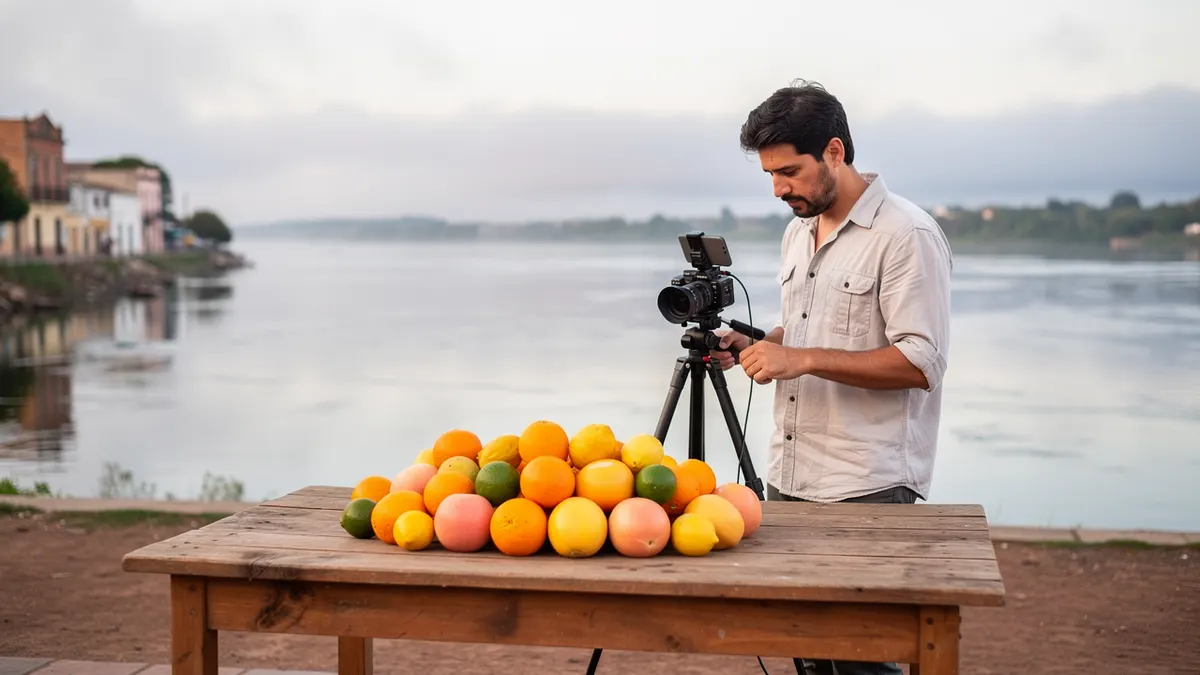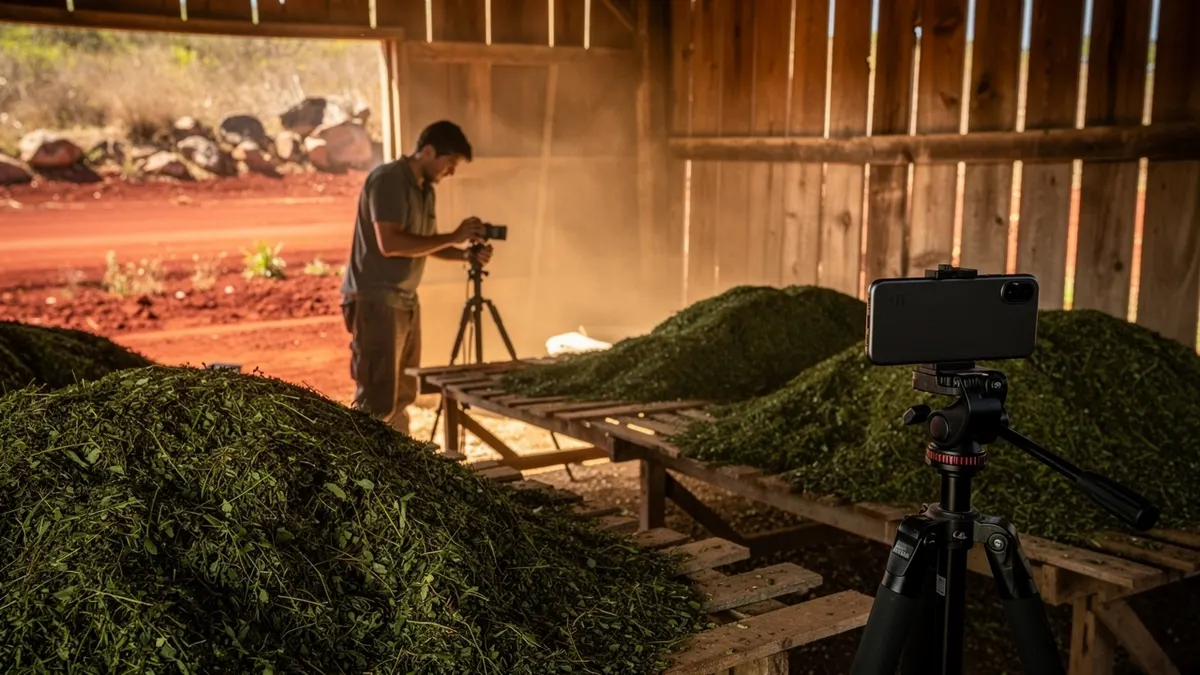
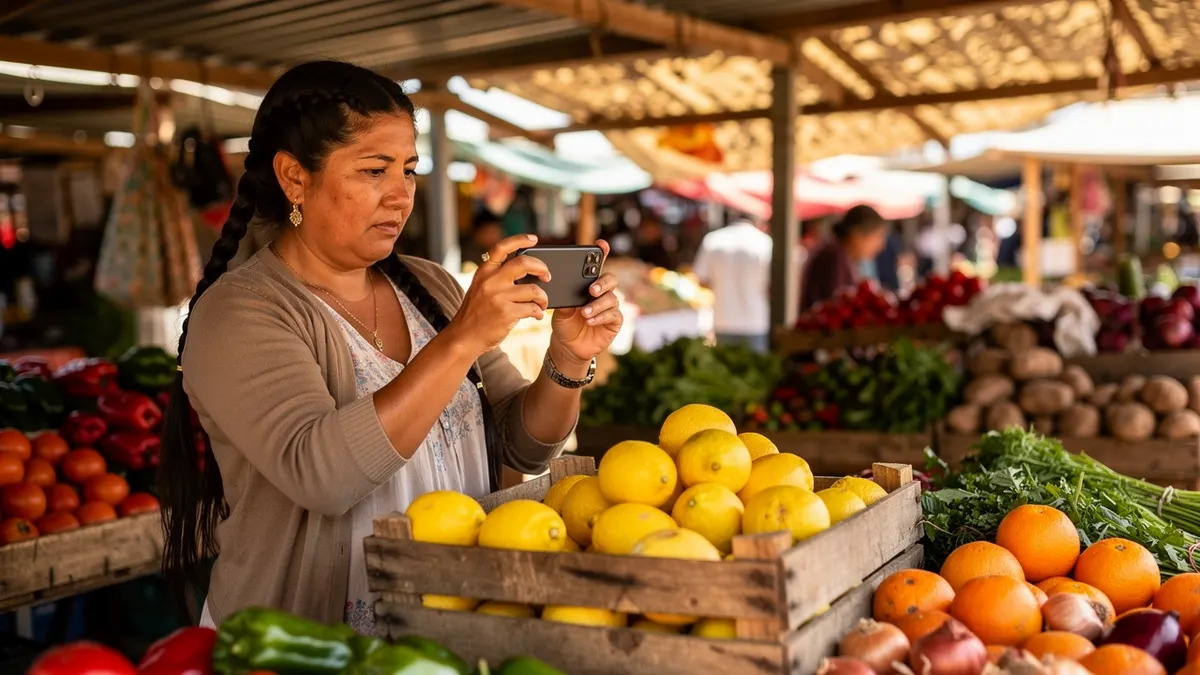
Tucuman is Argentina's smallest province and one of its densest, with a capital that works as the commercial centre of the whole northwest. Sugar, lemons, universities and retail explain its economy. For a creator working in user generated content, it is a market with real demand, low competition and a regional identity that national brands look for when they want to speak to the north.
An economy of agribusiness, university and regional retail
Lemons lead. Tucuman is one of the world's largest exporters, and around citrus and sugar an industry grew that needs to communicate, from the grower to the juice brand. The university provides the second leg: tens of thousands of students sustaining rentals, food, gyms and young retail.
The third is its role as a regional capital. San Miguel de Tucuman concentrates clinics, malls, car dealerships and services that also serve neighbouring provinces, and all of them compete for attention on the same feeds.
The categories that hire in Tucuman
- Food and cooking: empanadas and regional cuisine, sweets, juices, cafes and delivery, a category with enormous cultural weight.
- Agribusiness: citrus, sugar, inputs and machinery, a high ticket category that produces almost no video with real voices.
- Health and aesthetics: clinics, dentistry, dermatology and aesthetic centres serving the whole northwest.
- Education: private universities, courses and exam prep, where student testimonials convert better than any brochure.
- Clothing and retail: downtown shops, malls and ecommerce shipping across the country.
- Tourism: the historic house, the hills and the cloud forest circuit, with hotels and agencies selling the experience through video.
How local creators find work
The circuit is small and that helps: the shop owner, the clinic manager or the marketing lead at the citrus company are one message away. A short WhatsApp pitch with two samples and a clear price converts far better than a generic message, and a satisfied client refers you to three more on the same block.
The income jump comes from outside. National brands need northern voices, a regional accent and backdrops you cannot get in Buenos Aires, but they rarely know who to call in Tucuman. Presenting yourself as a supplier, with monotributo in order, an organised portfolio and clear prices, and being on a UGC marketplace, is what gets you found without an introduction.
Working remotely from the north
The workflow is the same as anywhere: you film at home or outdoors, edit on your phone and deliver online. Two local details: ask for the product with margin, because shipping to the north takes longer than to the centre of the country, and use the morning light, which in summer is the only friendly hour before the heat sets in.
Add a third, cultural one: the Tucuman accent is an asset, not a flaw. When a brand wants to speak to the northwest, that accent sells better than neutral Spanish.
What creators charge
In Argentina it pays to set the price in dollars and invoice in pesos at the exchange rate of the day, so inflation does not eat the gap between the quote and the payment.
As a reference: a single video for a local business starts at the equivalent of twenty to forty five dollars. With a strong portfolio, sixty to a hundred and fifty dollars per video. Packages of three to five videos sell between a hundred and eighty and four hundred and fifty dollars. National brands pay above those numbers and international ones more again, which is the main reason to build a portfolio that travels. Paid media rights and exclusivity are billed separately.
The cycle that runs the year
| Period | Clients' activity | What you propose |
|---|---|---|
| Before the harvest | Preparation, maintenance | Site tours, recruitment |
| During | Continuous production | Nothing on site, editing |
| After | Review, trade fairs | Commercial content |
What to ask before proposing a shoot
The start date, the accessible areas, the required clothing and who approves the images.
What fills the production months
Editing, town-centre shops, schools and business services.
Where to go next
Tucuman offers steady local demand, agribusiness with budget and a regional identity that brands in the south need. To turn that into paid work, our guide on how to become a UGC creator covers building the portfolio, setting prices and closing the first collaborations.
Publish your creator profile →---
Sources
Checked on 26 August 2026. Thresholds and rates change: where this guide and the official source disagree, the official source is right.