Somebody will ask how much the content converted. If you sell through supermarkets there is no direct answer, and inventing one gets the budget cut.
What the content actually does
Moving units on a shelf you do not control
In direct sales, the video pushes towards a page you control. In retail, it pushes towards a shelf where your product is surrounded by competitors, sometimes badly placed, sometimes out of stock. So the content does not replace distribution: it makes somebody look for your specific pack instead of taking the first thing to hand.
The second audience nobody writes into a brief
The retailer's buyer watches what happens around a brand before giving it shelf space. A visible campaign becomes a listing argument, which makes it an investment with a double effect. That does not change the content, it changes what you keep from it for the next meeting.
The shelf constrains the brief as direct selling never does
The pack on screen has to be the pack on the shelf
Different packaging, another size or a version from another country is enough to break recognition at the decisive moment, in front of the shelf. Check the exact reference distributed in the country before sending the product to the creator.
One pack, two languages
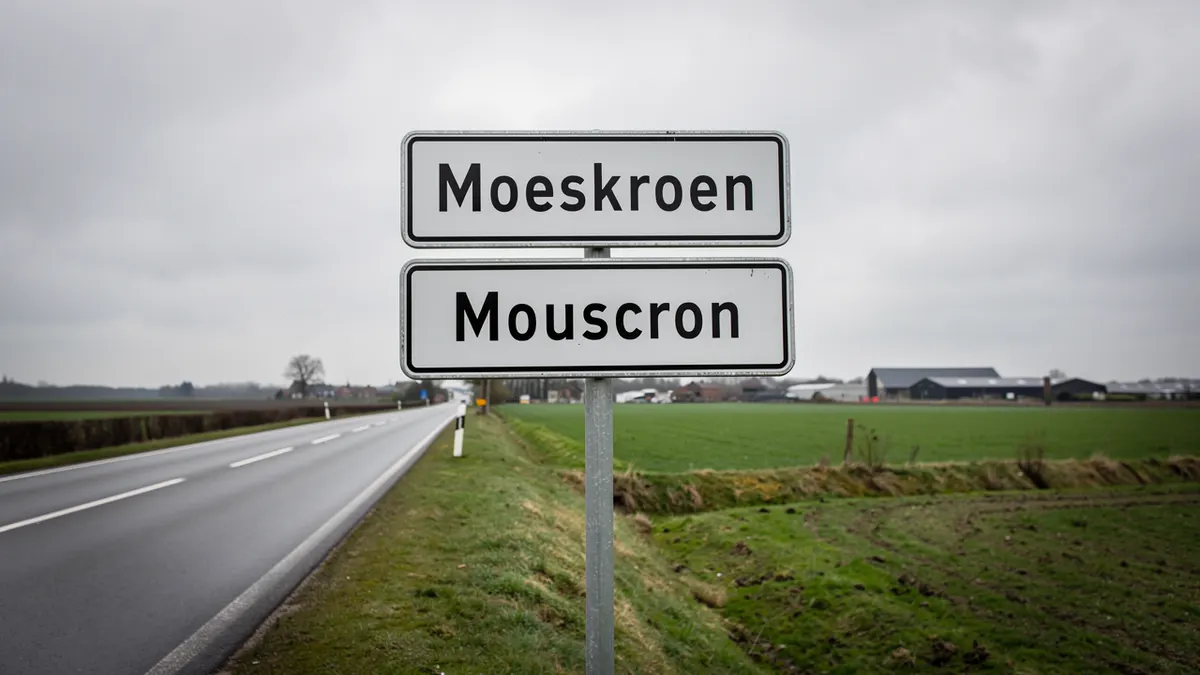
The market has two main language regimes, and a pack often carries both sets of wording. Filming a single version assuming it will serve everywhere produces a video that sounds foreign in half the country. Two versions shot on the same day cost far less than two campaigns.
What you can actually measure
Seven available indicators, from the most solid to the most indicative.
The sales gap between exposed and control stores, dealt with above.
The till data supplied by the retailer, when you have access to it.
Brand name searches, which rise before sales do.
Traffic on your store locator page.
The out-of-stock rate, which signals demand created but not served.
Requests received by customer service, often the first signal.
And cost per thousand views, useful for comparing creatives with each other, never for proving a sale.
How to set up a store comparison
Six steps, to be decided before launching.
Choosing two groups of stores comparable in size and catchment area.
Checking that no different promotion is planned over the period.
Running only on the postcodes of the first group.
Keeping the same exposure duration over the whole period.
Recording the sales of both groups over the same weeks.
And writing the conclusion with the gap, not with the change.
What to settle before starting
Seven points to write down in black and white.
The exact reference of the product distributed, code included.
The two languages expected, and who approves each.
The permitted claims, to be checked with a lawyer depending on the category.
The number of videos and their framing formats.
The distribution areas, decided with measurement in mind.
The fate of the content at the end of the campaign.
And the person, on the brand side, who will answer compliance questions.
What to send the creator with the product
Six items that avoid a reshoot.
The exact reference, in its retail packaging, never a sample.
A photo of the shelf as it appears, to place the product.
The list of mentions not to hide on camera.
The approved wordings, and the excluded ones.
The name of the contact who answers within a day.
And the product's use-by date, often forgotten on food items.
What the buyer looks at
Six elements to keep for the retailer meeting.
The number of videos produced and their actual distribution.
The measured sales gap, presented simply.
Customer service feedback linked to the campaign.
The coverage obtained in each language market.
The visuals reusable on an end cap or in a catalogue.
And the schedule of the next wave, which proves consistency.
What is filmed in-aisle, and on what conditions
| Subject | What it brings | The condition |
|---|---|---|
| The product on its shelf | The real purchase cue | The store manager's consent |
| Comparing two formats | Help deciding | No other customer in frame |
| The checkout | The end of the journey | The consent of staff filmed |
What is arranged before walking in with a camera
A store is a private place open to the public. Filming without permission risks immediate removal, and consent is requested from the store's management, not from shelf staff.
What never goes into the video
A displayed price, a running promotion or a figure comparison with a competing chain. These three change every week and legally commit the brand, to be confirmed with a lawyer.
The mistakes specific to retail
Six situations that come up constantly.
Filming a pack that is not the country's.
Announcing a price, which is not yours to set on the shelf.
Promising availability in every store, without having checked it.
Running everywhere, which makes any measurement impossible.
Having the creator state a claim not approved for the category.
And launching before the restock is ready, which turns demand into an empty shelf.
One last marker: in retail, content is not judged on conversion but on the gap. Two groups of stores, a single period, and a figure you can defend in a meeting beat a table of views nobody will be able to link to a sale.