"I cannot change the campaign, but I can localise it." Learn to hear that sentence, it tells you exactly what to sell.
Many Belgian buyers have no creative mandate
Five structural reasons, worth knowing before writing.
Many brands present in Belgium are subsidiaries or distributors of a European group.
The campaign, its promise and its visuals are decided at head office, often outside the country.
What remains locally is the adaptation: language, format, casting, setting.
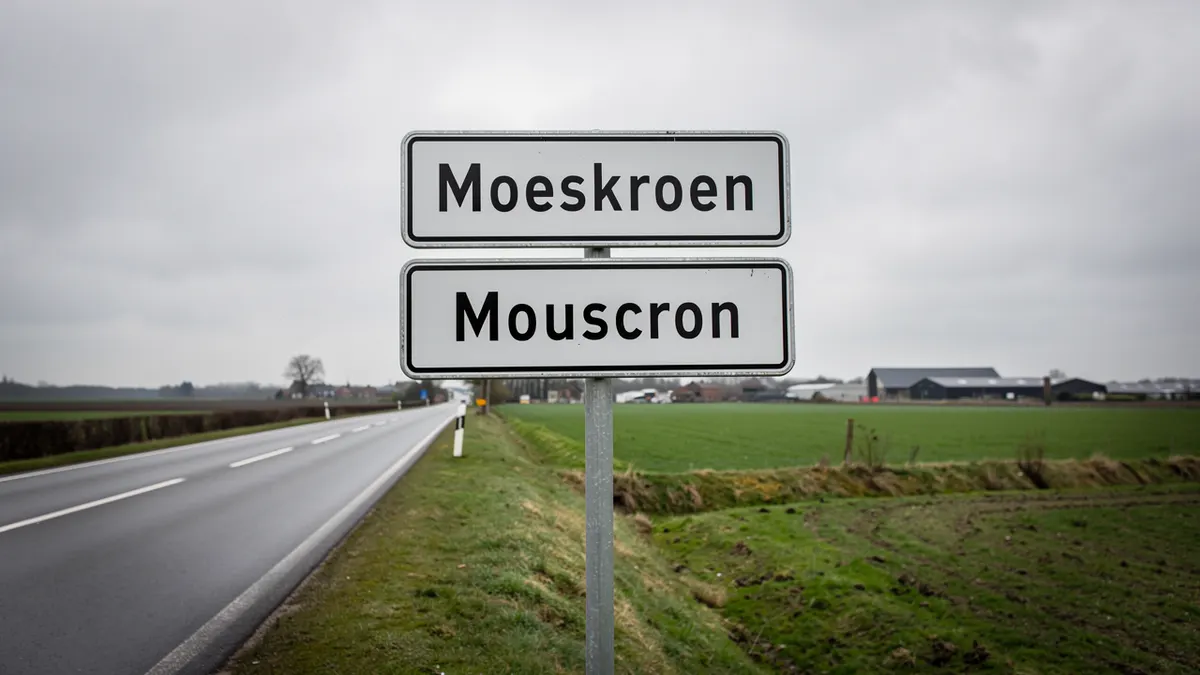
The market is small and bilingual, which multiplies the versions to produce of one campaign.
And the local budget is calibrated for that adaptation, not for original creation.
What that changes in your approach
Sell the version, not the concept
Propose variants of an existing campaign: Dutch-language version, French-language version, vertical format, short version. That is what your contact can buy without asking anybody else's permission.
The localisation budget already exists
It is planned at the moment the campaign comes down from head office. So you are not creating an expense, you are filling one that exists. That is why a proposal for adaptation gets an answer where a proposal for a concept goes unanswered.
The schedule is not yours
Dealt with above: the window is closed and known in advance. A creator available inside the window beats a cheaper creator available after it.
Who is on the other side of the email
Six profiles, with what they can decide.
The local marketing manager: decides the adaptation, approves a moderate quote, does not change the campaign.
The brand manager of a subsidiary: the same, with a constraint of compliance with the brand manual.
The e-commerce manager: buys videos for product pages and advertising, decides fast when the figures justify it.
The media agency: looks for variants for its paid campaigns, buys in volume, pays on term.
The creative agency: rare for UGC, but a good client when looking for local faces.
And the distributor or importer: decides alone, smaller budget, shorter deadline.
The buyers who do have a real mandate
Five categories where the concept is decided on the spot.
Belgian brands born locally, particularly in food, cosmetics and services.
Medium-sized online shops, which test constantly and have nobody to consult.
Funded start-ups, which need volume and accept new formats.
Institutions and associations, whose campaigns are designed locally but with longer procedures.
And independent agencies, which sell an idea to a local client and put the team together freely.
Who orders, and what they ask for
| The buyer | What they seek | What matters to them |
|---|---|---|
| An online brand | Hook variants | Deadline and regularity |
| A local business | Venue and product videos | Geographic proximity |
| An agency | A reliable pool | Sticking to the brief |
What weighs most in this country
Language. A profile delivering cleanly in two languages widens its market without changing a single shooting habit, and it is the most direct income lever here.
What is prepared before reaching out
Three short samples, a price range, a lead time in working days and the list of languages delivered. Without those four, the message goes unanswered.
How to write the first message
Six elements, in this order.
One sentence showing you have seen their current campaign.
A precise adaptation proposal, not a general offer of service.
The two languages you cover, or the one you cover really well.
Your availability, expressed as a date and not a vague delay.
A starting rate with what it contains, rights separate.
And two links only, chosen to resemble what they already publish.
One remark on the language of the message: write in the language of the campaign you saw, not the one you prefer. A message in French for a Flemish campaign immediately signals that you did not look.
One last marker: in Belgium, the question is not to convince somebody to run a campaign, it is to place yourself inside a campaign already decided. That changes everything you write, and it considerably shortens the path to the first purchase order.