Why food video converts differently, what to film, and how to brief a creator who knows how to make a product appetising.
What the Spanish audience looks at first
Four elements, before the product itself.
The table, which indicates whether this is a shared meal or an individual use.
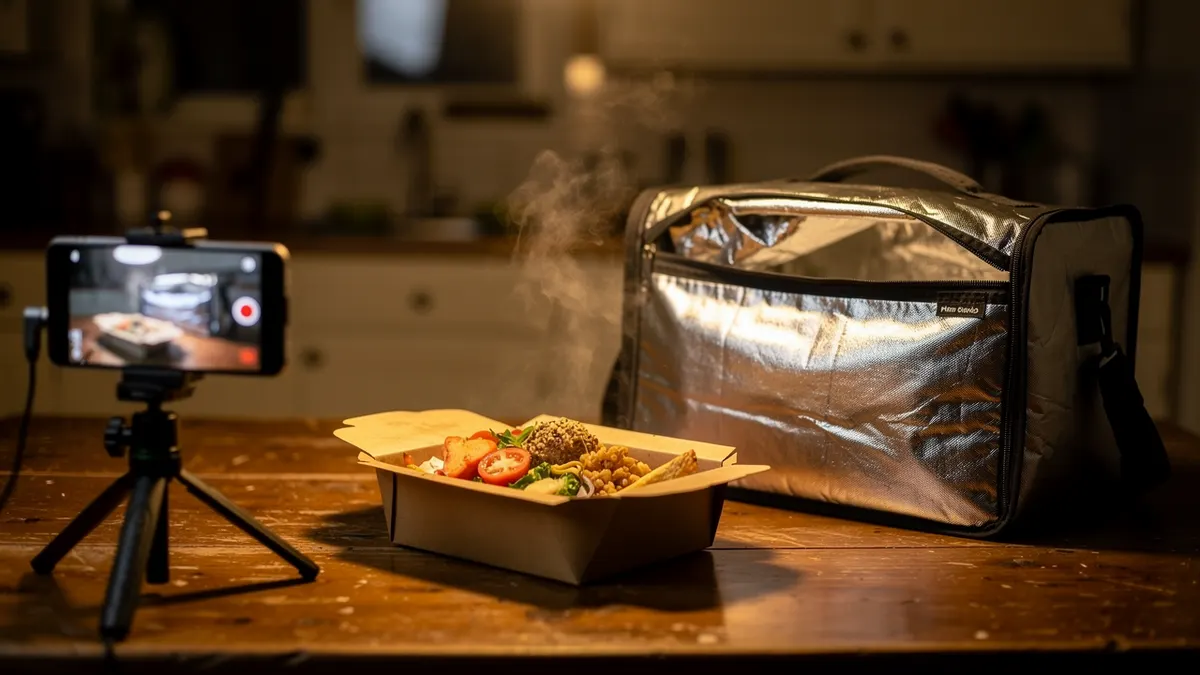
The implicit hour, which is not the same as elsewhere and is read in the light.
The hands and the gesture, more than the face.
And the real quantity, which decides the perceived value.
One casting consequence: the creator filming alone, standing in a kitchen, produces content that works less well than a table where several people are present, even out of frame.
What makes a product appetising on screen
Six technical rules.
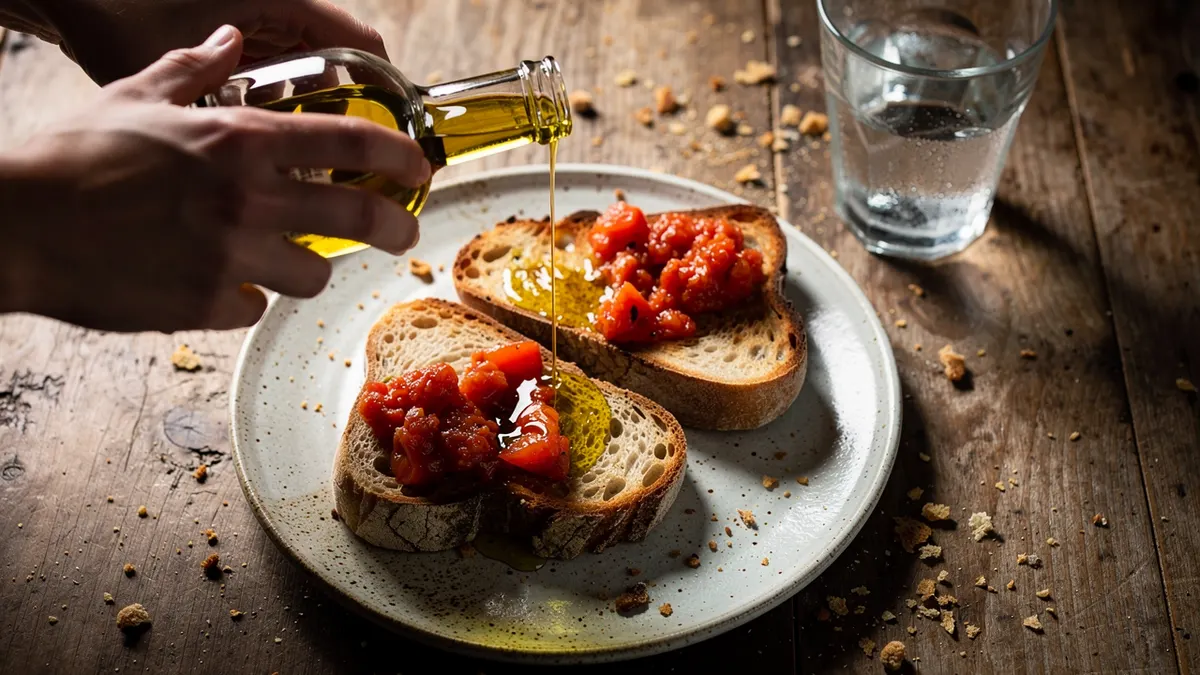
The light comes from the side or from behind, never from the front, so that the material has relief.
The sound is real: the cutting, the boiling, the crunch. It is the main tool of this category.
The movement has to be slow and continuous, not cut.
Steam, shine and texture are filmed very close up.
The colour is not retouched, on pain of disappointing at purchase.
And the container is everybody's, not studio crockery.
The rules on nutritional communication
Five statements to set aside by default.
Any health claim, governed by strict rules and authorised wordings.
Any nutritional statement of the rich in or free from kind, subject to thresholds.
Any recommendation aimed at children.
Any comparison with a competing product.
And any mention of a protected designation or origin that would not apply to the product filmed.
What remains possible: describing a taste, a use, a recipe and a habit. The list of authorised mentions is asked of the brand and checked with a lawyer before the shoot.
Which creators to engage
Four profiles, with their uses.
The person who really cooks daily, the most credible and often the least expensive.
The family profile, indispensable for products meant to be shared.
The professional cook, useful for technique but less so for identification.
And the budget profile, handling quantity and price per kilo, a much-sought and little-covered subject.
The brief that produces good material
Six points to write.
The time of day when the product is really eaten.
The compulsory shots, including the second-helping shot.
The sound to record, specified shot by shot.
The prohibited sentences, listed.
The exact advertising disclosure.
And the quantity to show, with the packaging visible and legible.
What a food video must show
| Shot | What it triggers | Trick |
|---|---|---|
| Opening the product | Immediate appetite | The lid sound, uncut |
| The preparation | The real ease | One hand, one gesture, no cut |
| The first bite | The texture | A close-up at plate height |
What deserves the most care
The light on the food. A cold ceiling lamp kills a dish; a side window rescues it with no gear.
What is never improvised
An allergen, a nutritional value, a storage method or a health claim. All four are read on the packaging and confirmed with the manufacturer.
The Spanish calendar
Five moments structuring the year.
The start of the year, oriented towards simple cooking and habits.
Spring and its local festivities, whose dates vary by region.
Summer, when consumption moves outdoors, cold and shared.
The September return, the moment of quick meals and organised menus.
And the year's end, the period of large tables, prepared from October.
One last marker: in food, a video is not judged on its beauty but on a single question. Watching it, do you want to eat now. If the answer is no, no argument about composition will save the shot.