Spain resells its objects through apps that live on trust between strangers, and it is video that builds that trust.
Filming proves possession
Three things a video establishes and a photo does not.
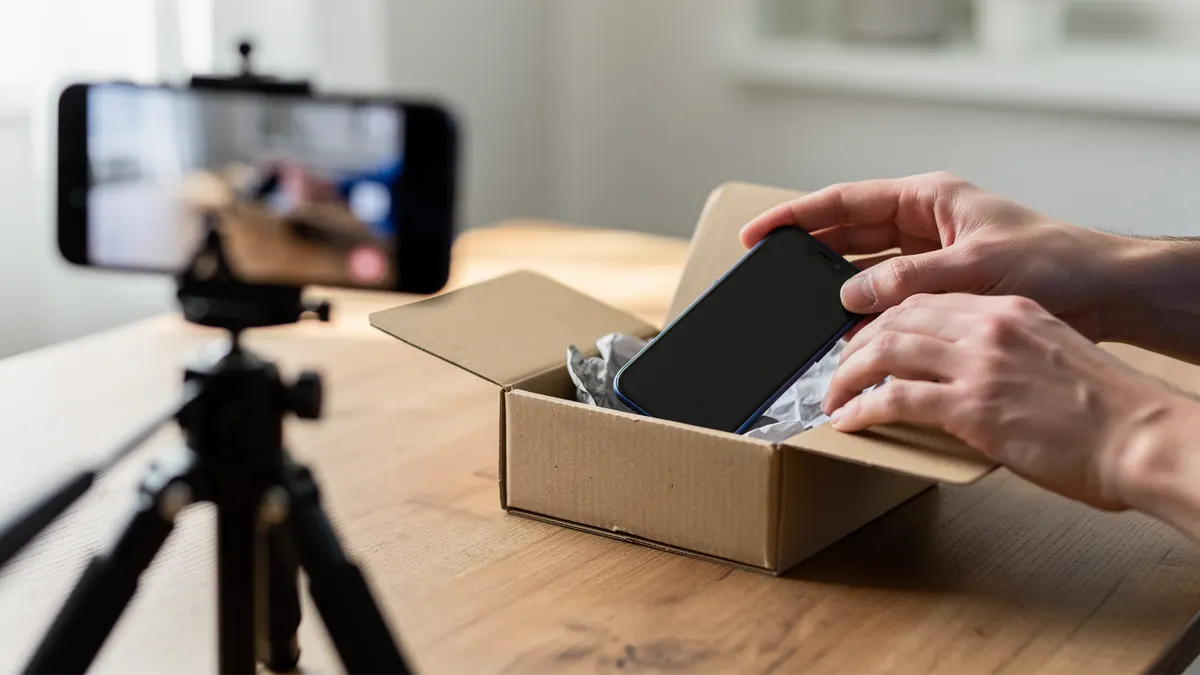
That the object exists physically and is at the home of the person selling it, which an image found online never shows.
That it works: a device that switches on, a zip that slides, a mechanism that turns.
And that the seller is a real person, available to answer, which counts as much as the object.
In practice: a single take, without editing, where you see the hand hold the object and turn it over, is worth more than ten perfect photos.
What really sells
Five elements, in order of effect.
The flaw shown, dealt with above.
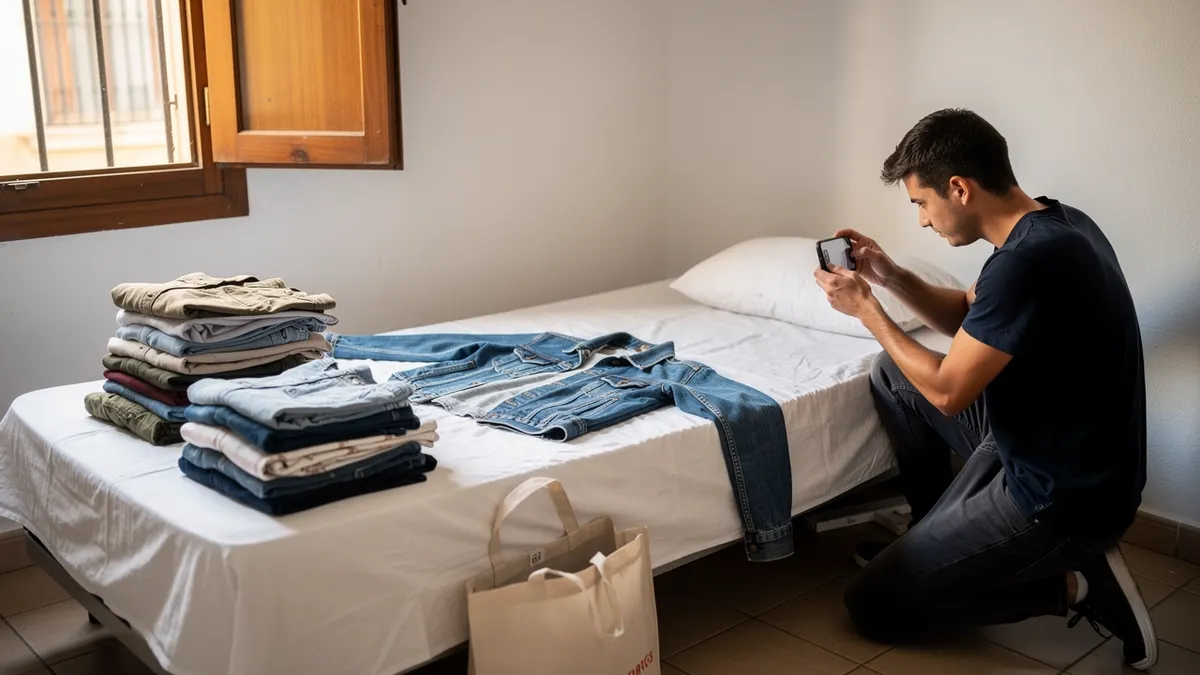
The object in use, not sitting on a table: a garment worn, a bicycle ridden, a machine running.
The scale: an everyday object beside it, because written dimensions speak to nobody.
What is included in the sale, shown and counted out loud: accessories, cables, original box.
And the reason for selling, said simply. It reassures more than any argument.
The rules that count
Four points to know, all verifiable with a lawyer before publishing a campaign.
A private seller and a professional seller do not have the same obligations, and the boundary lies in the habitual character of the activity, not in the amount.
Content commissioned by a platform or a brand is advertising and must be identified as such, even if it looks like an ordinary listing.
Some categories follow their own rules, particularly refurbished electronics, children's articles and anything touching on safety.
And income from regular resales falls within tax obligations, a point to check with an accountant.
What the brand or platform must provide
Four elements, without which the creator cannot work properly.
The categories to put forward, because they do not share the same seasonality or the same audience.
The exact advertising disclosure to display and to say.
What may not be promised: time to sell, price achieved, success rate.
And a framework for lent objects, if there are any, with what happens when they are sold or damaged.
One production note: the most useful video is not the prettiest, it is the one showing the complete gesture, from the listing photo to the handover in person.
What sells a second-hand item
| Shot | What it answers | Length |
|---|---|---|
| The object from every side | Does it match the photo | 15 s |
| The flaw in close-up | What is damaged | 5 s |
| The object worn or in use | Size and scale | 10 s |
What is always said
The real condition, the exact measurement, what is missing, and whether the item was cleaned. An omission costs a return and a bad rating.
What separates a listing from an ad
A listing shows one unique object and vanishes when it sells. A reusable video therefore avoids the listing number, the price and any stock mention.
The Spanish calendar
Four strong moments, with different needs.
January, when people resell what has just been received and make room.
Spring, the season of the big clear-out and of moving home.
Summer, when sales slow in the city and shift towards the coastal areas.
And the September return, which concentrates equipment purchases and second-hand searches.
One last marker: on these apps, trust is not declared, it is shown. A video where you see a face, a hand, a flaw and a clear answer does more for a sale than any superlative in the listing text.