The only channel where a two-minute video still works, and the format brands keep ignoring.
The format brands ignore
It is the long, useful video, the one lasting between four and twelve minutes.
Three reasons it stays rare: it requires knowing what you are talking about, it cannot be produced in series, and it is not judged on the first week's views.
Three reasons it wins: it ranks in search for years, it attracts people comparing before buying, and it does not depend on the mood of a feed.
Four subjects that almost always work. The comparison between two close options. The complete demonstration of a use, with no cut. The account after several months of use. And the detailed answer to a question the audience asks constantly.
Shorts and long video are two trades
They share the platform, nothing else.
The short format seeks the thumb to stop, the long one seeks the answer to an intention.
Three classic mistakes.
Cutting the long one into shorts without reshooting the opening: an extract starts in the middle of an idea and nobody stays.
Writing the long one as a series of shorts: the pace exhausts within three minutes.
And measuring both with the same figures, when one is judged on retention and the other on lifespan.
One method that works: shoot the long one, then reshoot three openings specifically for the short extracts. That is three extra minutes of shooting, not a new project.
Comments are market research
That is the part brands let go to waste.
Under a useful video, people write what they will never say in a questionnaire: the price they find excessive, the breakdown they had, the brand they had before, the country where they would like to buy it.
Three concrete uses. Feeding the next video, with the most repeated question. Correcting the product sheet, when the same confusion keeps coming back. And spotting the objections paid advertising will have to handle.
One simple rule: read the comments a week after publication, not on the day. The first comments come from regulars, the later ones come from buyers.
How this format is invoiced
Four lines, separate.
The writing and research, which often take longer than the shoot.
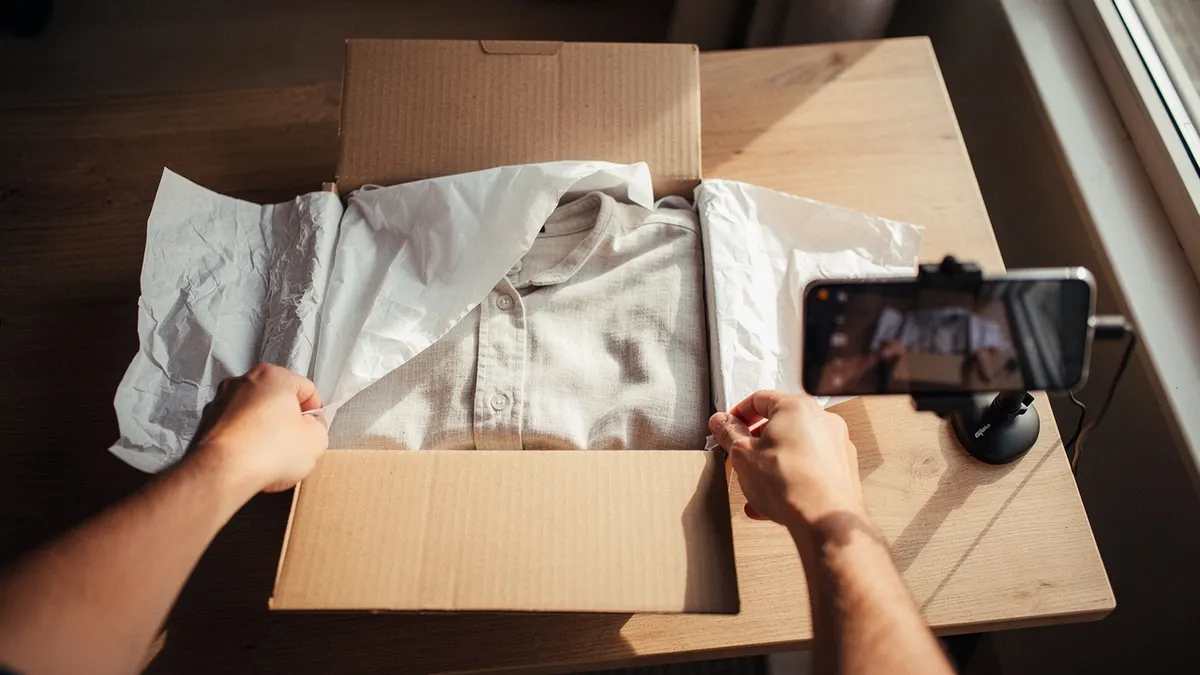
The shoot, in one or two sessions.
The edit, longer than for a short format, with the chapters and the subtitles.
And the rights, defined separately: distribution on the brand's channel, on the creator's, or both, with a written duration.
One local precaution on payments and invoicing: the applicable regime and the mandatory statements are checked with an accountant, and the advertising disclosure is still owed as soon as there is consideration, with exact forms to be checked with the competent authorities.
What the long format expects
| Element | What works | What fails |
|---|---|---|
| The first minute | A promise kept straight away | A long introduction |
| The pace | One idea per chapter | A continuous monologue |
| The ending | A pointer to what comes next | A silent logo |
What is prepared before shooting long
A written plan in five points, a location check, two batteries and a mic. A ten-minute video shot with no plan takes three hours to edit instead of one.
What sets this channel apart from short formats
Viewers here want a complete answer, not a hook. A slow, detailed demonstration holds better than a nervous edit, and is still watched months later.
What to measure
Three indicators, and a delay.
The average duration watched, more useful than the number of views.
The drop-off moments, which say which chapter was badly written.
And the visits arriving through search, which show whether the video is still working.
The delay: judge at ninety days, not at seven. A long video takes weeks to find its audience, and cutting too early means throwing away the only format still earning a year later.