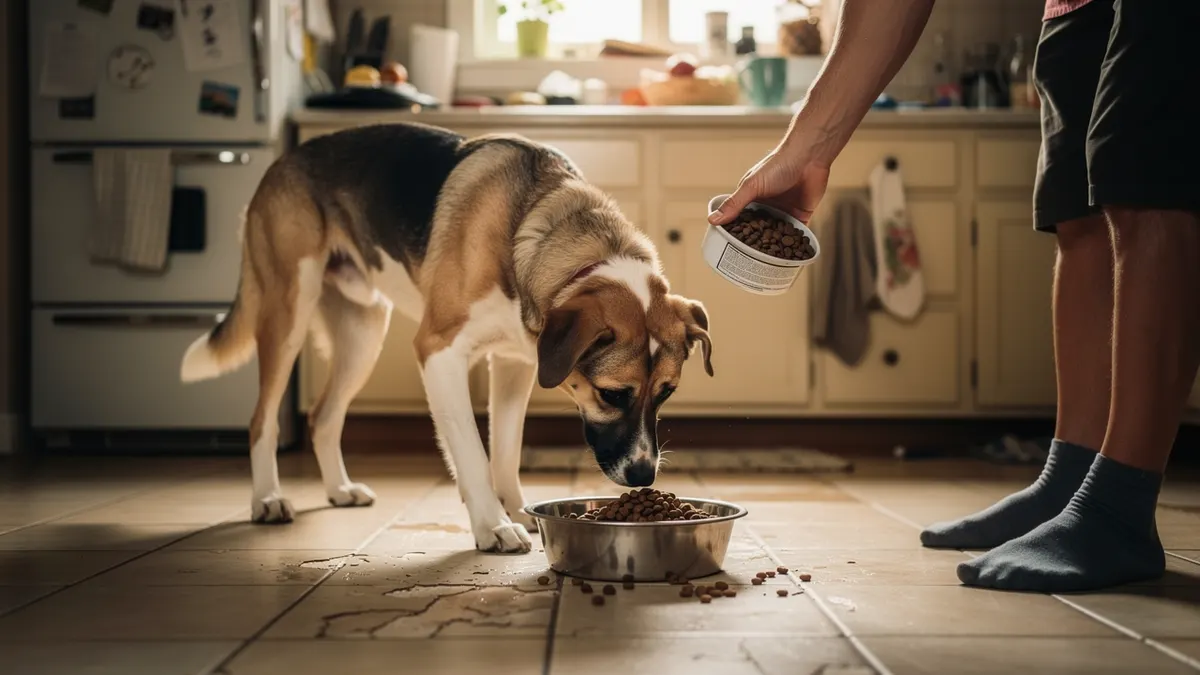
Pet content has an advantage no other category enjoys: it stops the scroll effortlessly. The trap is stopping there, with a charming video that sells nothing.
What changes in Argentina is the setting the animal lives in, and it changes what has to be filmed.
The flat, the square and the paseador
Animal life in Buenos Aires largely happens in two places: a flat, and the neighbourhood square.
That has direct consequences for what interests the buyer. Smell in a closed space matters more than in a house with a garden. Noise on a wooden floor, claws, barking in a stairwell become problems a product can solve. The size of the food bag matters, because it has to come up in the lift and fit in a narrow kitchen.
There is also a figure you do not find everywhere: the paseador, who walks several dogs together and crosses paths with dozens of owners every day. They see the leads, the harnesses, the toys, and their opinion travels by word of mouth around the square. A brand that ignores them gives up the most regular recommender in the neighbourhood.
What actually converts
The animal's reaction. The first sniff, the moment it recognises the packaging, the insistence on getting more. It is the hardest proof to fake, and the viewer knows it.
The owner's problem, not the animal's. Hair on the sofa, smell in the living room, a dog that will not eat, a cat that refuses everything. The person pays, so it is their problem that has to be named.
Before and after, with a stated duration. Coat, energy, teeth, behaviour. Without the duration the comparison is worthless.
The usage demonstration. How a pipette goes on, how a portion is measured, how a litter tray gets cleaned in a two square metre bathroom. Practical beats pretty.
The testimony of someone who tried other things first. Saying you tested several brands before this one works better than immediate enthusiasm, because it resembles what the buyer is living through.
Which animal, and which owner
The dominant criterion in this category is the animal, ahead of edit quality. A food brand for large dogs needs a large dog; a range for senior cats needs a genuinely old cat. The brand that forgets this buys beautiful videos with the wrong subject.
The owner matters nearly as much. Look for people whose home resembles your customers': a city flat, a house with a yard, a family with children. The setting says who the product is for before the first sentence is spoken.
The brief, and the claims that are off limits
Give the exact way to use the product, the owner's problem it solves, how long before an effect shows, three possible openings.
And attach the list of what may not be claimed. For animal health products that list is not optional: claims are regulated, and the risk lands on the brand. When in doubt the reference is the competent authority, not a competitor's wording.
Add one instruction other categories do not need: plan for several takes, because the animal does not cooperate. A pet creator often shoots twenty minutes for eight usable seconds, and that has to show up in both the deadline and the price.
What the brand wants to see
| Customer's doubt | The shot that answers | Length |
|---|---|---|
| Will the animal accept it? | The first approach, with no forcing | 10 s |
| Is the portion right? | The dose poured into the bowl | 6 s |
| Is it easy to clean? | A full rinse | 12 s |
What can be filmed in ten minutes
Short sequences work better: the animal tires faster than the camera.
What is said with caution
No health promise, no veterinary advice, and a pointer to a professional whenever the question goes beyond the product.
The calendar
Summer concentrates parasite treatments and travel, the March return to school changes the household routine and sells anything that occupies an animal left alone, and the end of year carries toys and gifts. Winter, shorter there, works for coats and beds.