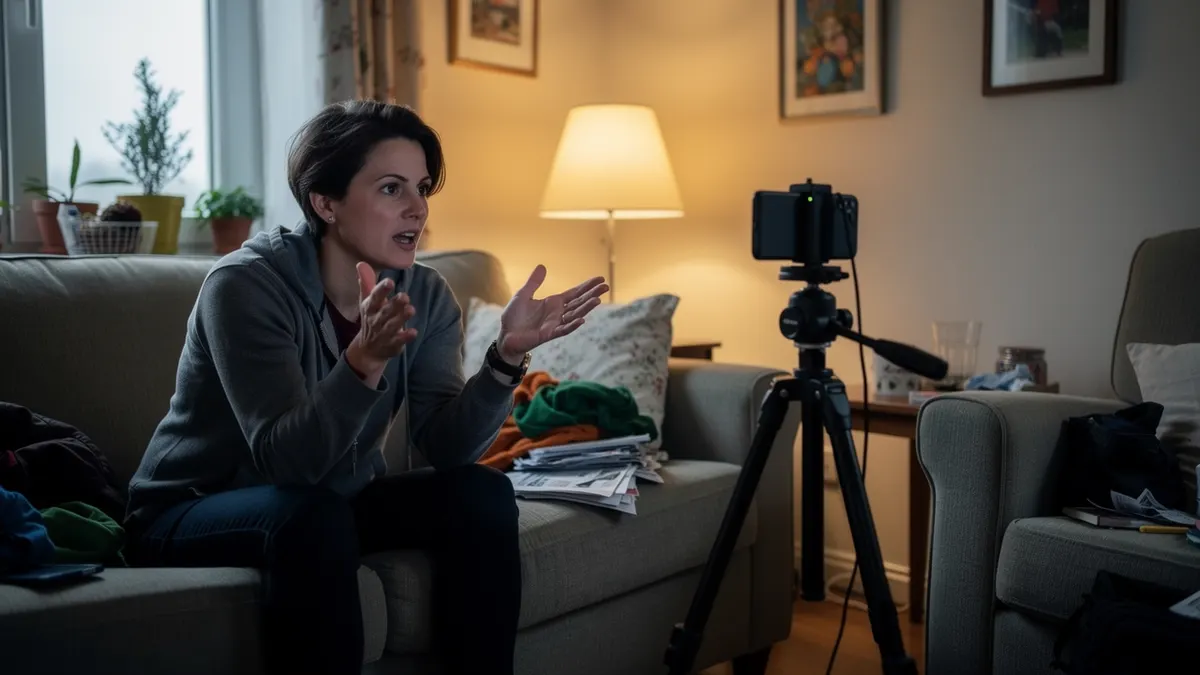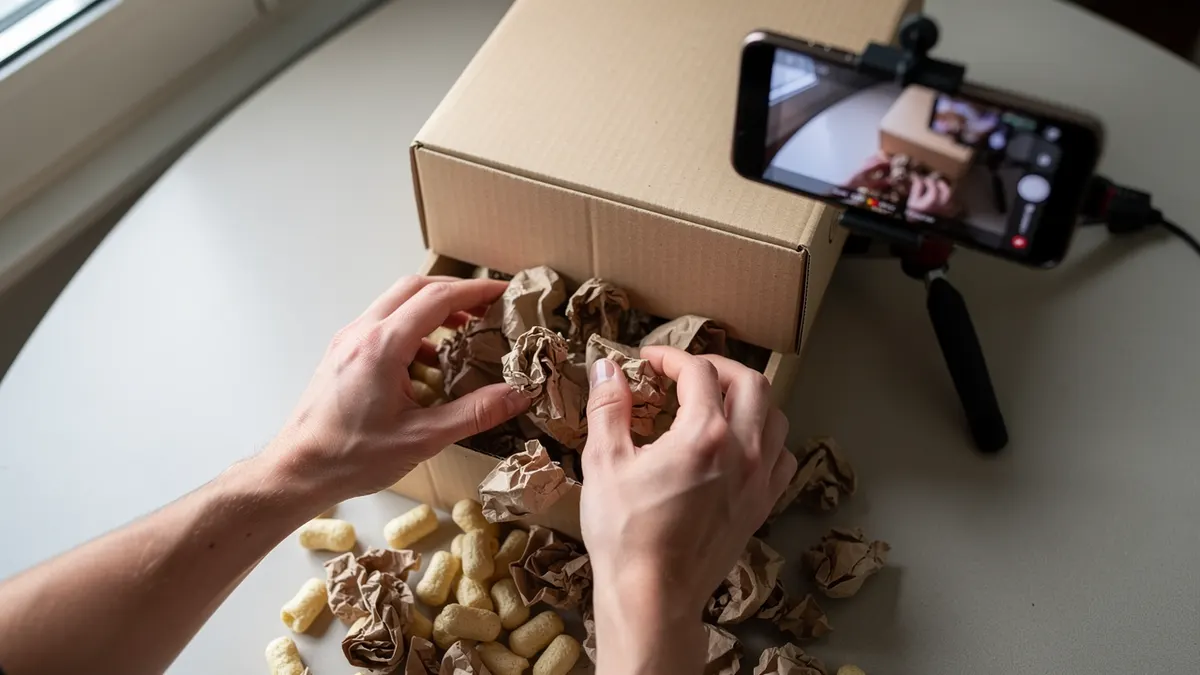
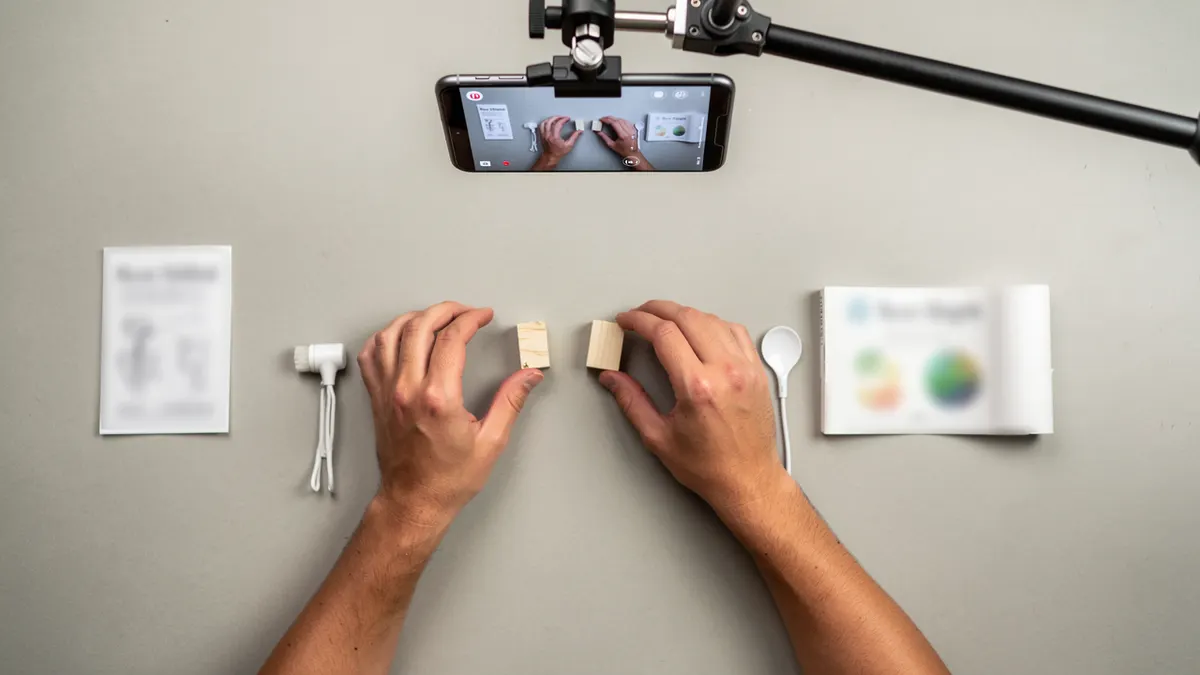
The tutorial is the only format where people buy while learning. It is also the one brands brief worst.
Teach something that works without the product
That is the paradox of the format, and it holds up.
A tutorial teaching a useful method, even without buying, earns trust. The product appears as what makes the method easier, not as the condition of success.
Conversely, a tutorial whose every step requires the product is a disguised demonstration, and the audience files it as such within seconds.
The proportion that works: four fifths method, one fifth product.
Show the mistake
That is what separates a useful tutorial from a presentation video.
Film what happens when it is done badly: too much product, wrong order, gesture too fast, wrong temperature. Then show the correction.
Two immediate benefits. The viewer recognises their own problem, which keeps them watching. And the brand gains content its customer service can send in reply to a complaint.
Real time beats the time-lapse
Speeding up is the most widespread and most costly reflex.
It helps when nothing is happening: drying, cooking, charging. It hurts as soon as it applies to the gesture itself, because it removes exactly the information the viewer is looking for.
The rule: speed up the waiting, never the action. And state the real duration of the step, which avoids disappointment and returns.
The length can be longer
It is the only format where you can go beyond a minute without losing the audience.
Somebody trying to solve a precise problem watches to the end, goes back, pauses. The feed's length constraint does not apply the same way.
So plan two versions: a short one for discovery and advertising, and a long one for the product page, the help page and search. The second is the one that works for years.
Add visual markers in the edit, so a step can be found again without rewatching everything.
The Canadian point
Two requirements specific to this market, to be handled from the brief.
Language: a tutorial for the whole country exists in two versions, and a subtitled version does not replace a spoken one. The obligations applicable to the language of commercial communication depend on the medium and on your situation, and are checked with a lawyer before publication.
Units and standards: measurements, temperatures, sizes, date formats, electrical sockets and product references are not the same as in an imported tutorial. A tutorial using the wrong units is immediately recognised as foreign, and it loses its credibility at the first figure.
Add the season: a maintenance or installation tutorial filmed in conditions that do not exist here, with no snow, no frost, no damp, does not apply to the viewer's real problem.
The structure that fits in one minute
| Segment | Content | Length |
|---|---|---|
| Promise | What you will be able to do by the end | 5 s |
| Materials | What to have at hand | 8 s |
| Steps | Three gestures, not ten | 35 s |
| Result | The same frame as at the start | 10 s |
What makes the viewer drop off
A step assuming unstated knowledge, a shot too tight to see the gesture, and a hand leaving the frame at the decisive moment.
What is filmed twice
The hardest step: once at real speed, once in slow motion. The slow motion goes right after, with no commentary.
What the brand must supply
Three things, and the tutorial writes itself.
The list of customer service questions, described in the box.
The product's real manual, not the sales pitch.
And the list of what must not be shown: discouraged uses, dangerous handling, unverifiable claims. What may be said or shown depends on the product and on your situation, and is checked with a lawyer, before the shoot.